Welcome Scene
Soft lighting guides guests into the room while the cinema stays bright enough for seating and snacks.
A dedicated cinema experience where lighting, curtains, AV, surround sound and control work as one. Press Movie Mode — the room prepares itself.
A beautiful cinema room can still feel frustrating if every part is controlled separately. The projector, speakers, lighting, curtains, AV rack and remotes should not behave like separate systems.
HAP designs private cinema rooms as part of the smart home. When the room is planned properly, the experience feels simple: choose a scene, sit down, and let the room prepare itself for movie night.
The real luxury is not having more remotes. It is pressing one button and watching the entire room become cinema-ready.
Different homes need different entertainment spaces. A private cinema room is the most movie-focused option, while living rooms and hybrid entertainment rooms are designed for broader daily use.
| Room Type | Best For | What It Feels Like | Ideal Direction |
|---|---|---|---|
| Living Room Entertainment | Daily family use, TV, music and casual movie nights. | A normal living room with better sound, hidden AV and smart control. | Best for homeowners who want comfort and clean design in the main living space. |
| Home Entertainment Room | Movies, karaoke, sports, gaming and social hosting. | A flexible room that switches between different entertainment modes. | Best for families who want one room for multiple types of entertainment. |
| Smart Home Private Cinema | A dedicated movie-first room with controlled ambience. | A personal cinema with immersive sound, lighting scenes, curtains and one-touch Movie Mode. | Best for homeowners who want a dedicated premium cinema experience. |
With the right smart-home planning, your private cinema does not need separate remotes for every device. The room can move as one scene, from welcome lighting to full movie ambience.
Soft lighting guides guests into the room while the cinema stays bright enough for seating and snacks.
Lights dim, curtains close, the display or projector starts, the AV source switches and sound is ready.
Lights rise gently without ruining the ambience, making breaks feel natural instead of disruptive.
AV equipment powers down, lights return or switch off, curtains reset and the room returns to normal.
A smart home private cinema should feel immersive, clean and intentional — not cluttered with visible equipment or disconnected controls.
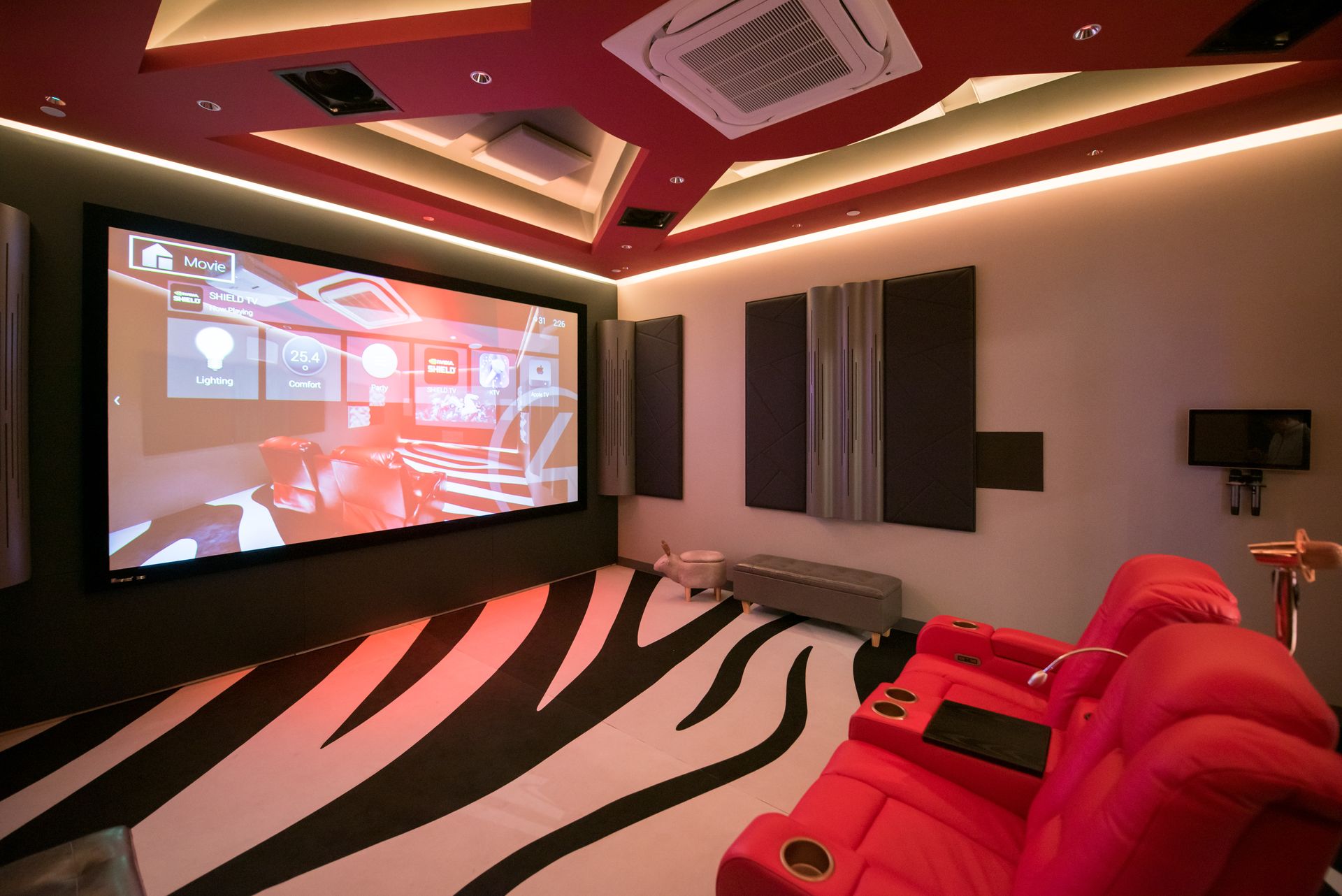
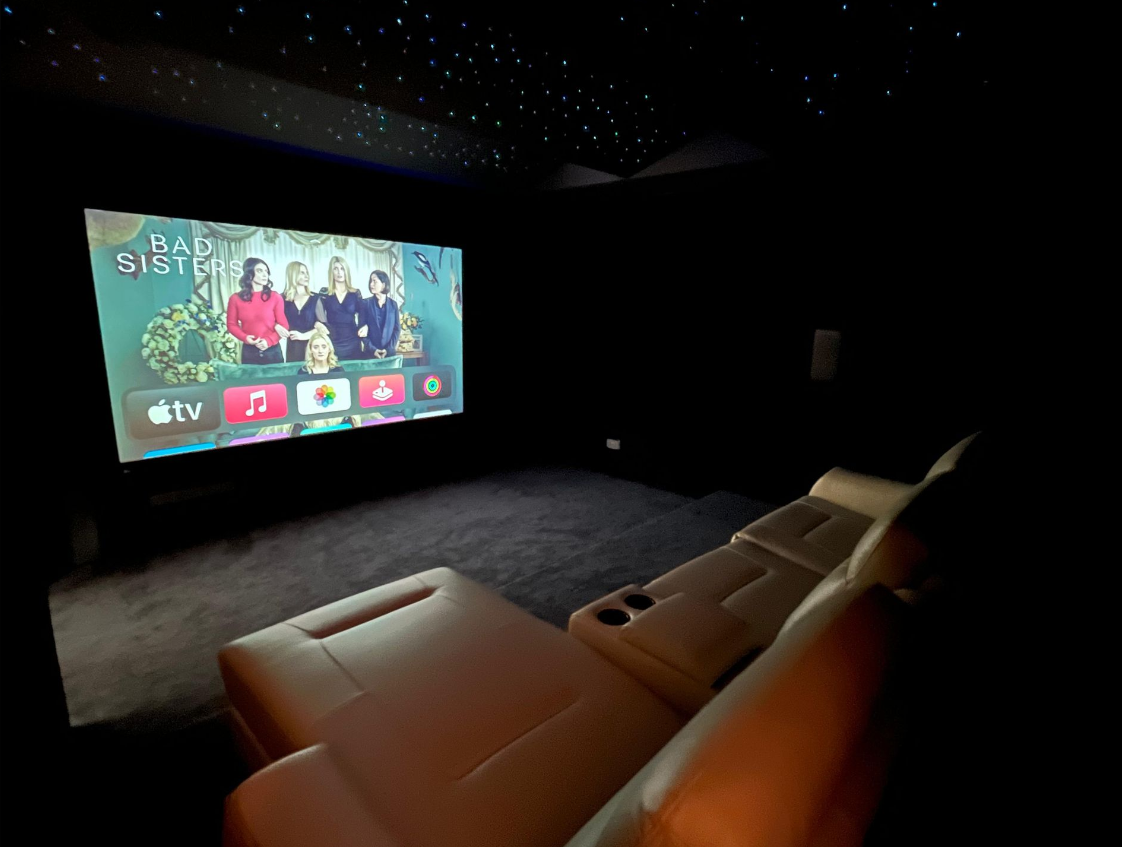
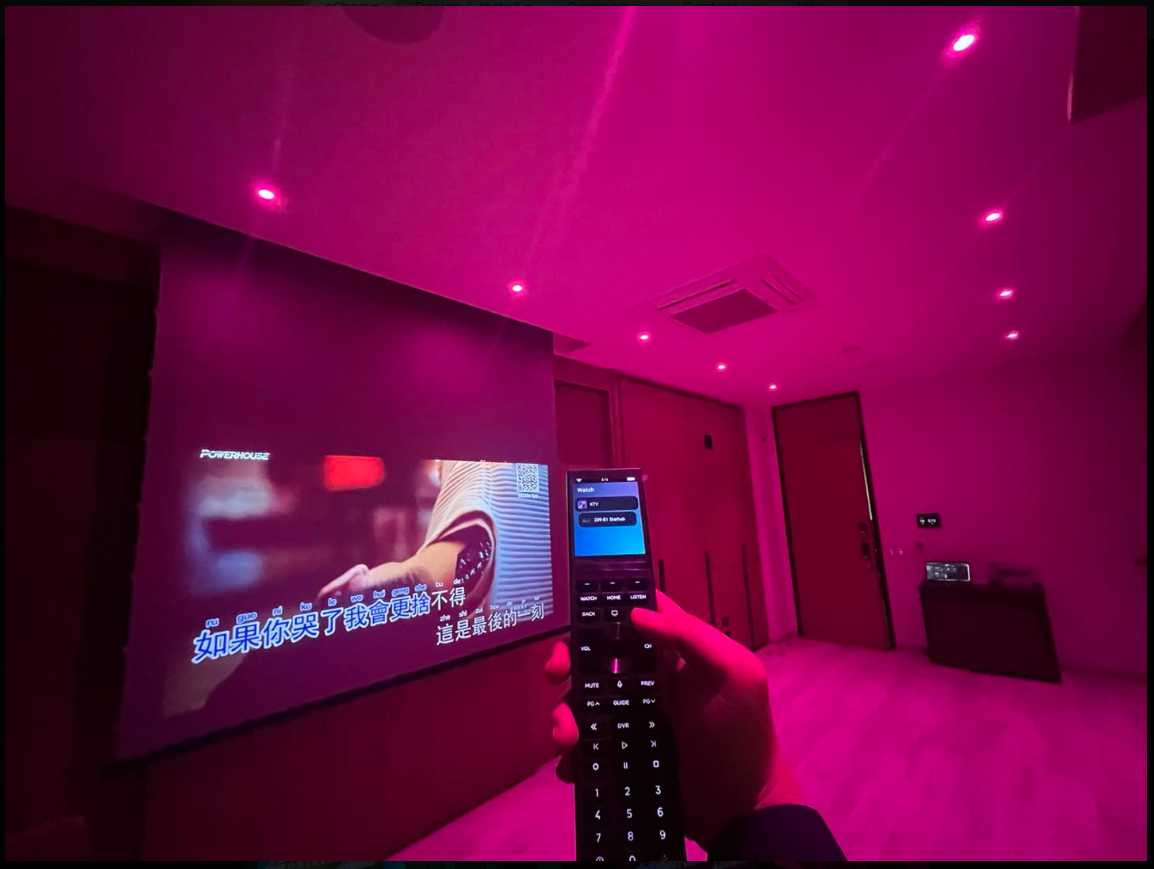
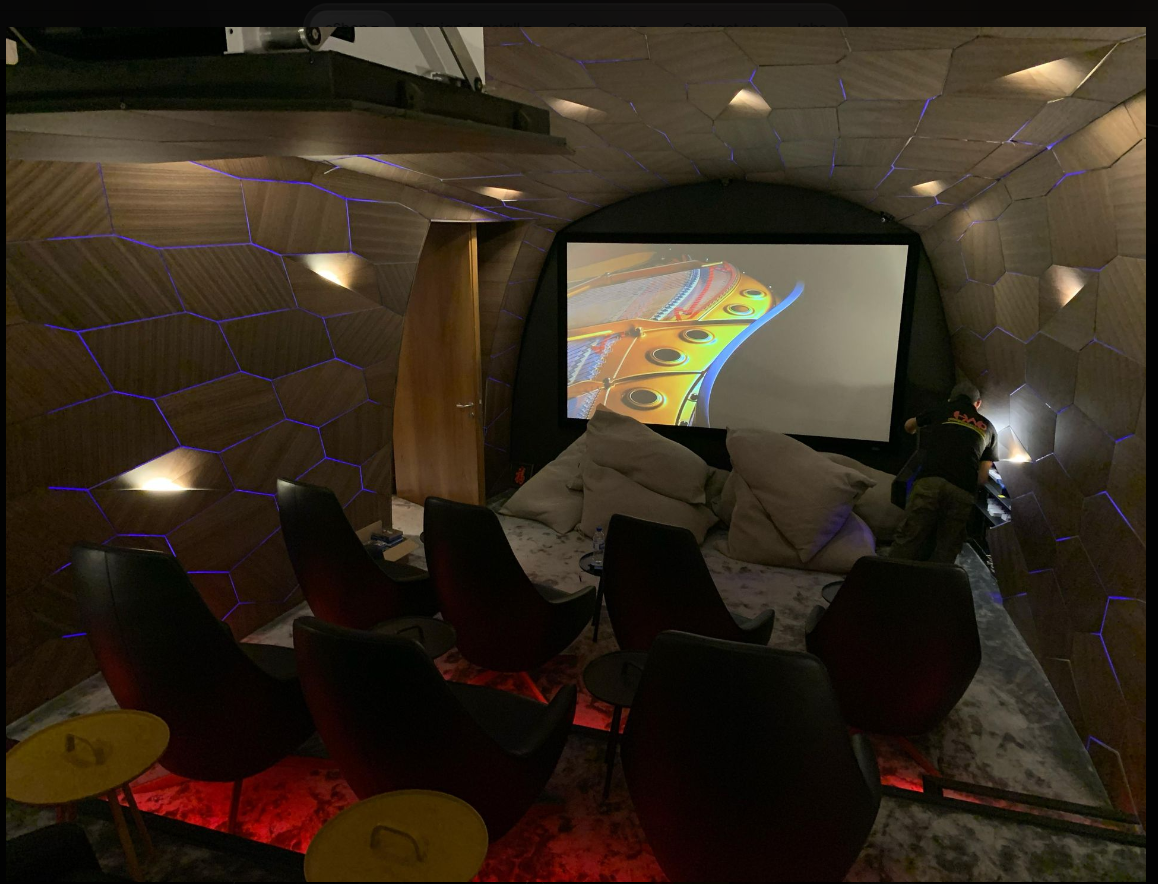
A high-end cinema room works because every detail supports the experience: the screen, sound field, lighting, curtains, equipment, seating, network and control system.
A private cinema is not only about choosing expensive equipment. The room performs best when the sound, screen, seating, lighting, curtains and control experience are planned together.
Plan for 5.1, 5.1.2, 7.1.4 or Dolby Atmos-ready layouts with speaker placement, subwoofer location and seating position considered together.
Choose the right visual setup based on room depth, screen size, brightness control, projector placement and how the room will actually be used.
Keep the room clean with planned rack placement, cable routing coordination, ventilation, service access and control integration.
Premium cinema rooms need stable network planning for streaming, movie servers, projector control, AV updates and remote support.
Screen size, viewing distance and speaker layout should match the room, not just follow a generic product package.
The display, AVR, speakers, lighting, curtains and scenes can be controlled from one interface instead of multiple remotes and apps.
Great cinema lighting is not just about making the room dark. It is about controlling glare, guiding movement, creating mood and making every part of the viewing experience feel intentional.
A private cinema needs control over light. Motorised curtains or blinds can be part of the Movie Mode scene, helping reduce glare, improve privacy and make the room feel cinematic without manual adjustment.
The right cinema approach changes depending on the home. A GCB basement, a bungalow media room and a luxury condo spare room do not need the same layout, equipment visibility or control strategy.
For spare rooms, attic rooms, family rooms or dedicated entertainment levels where lighting, AV and control can be planned together.
For larger residences where the cinema may connect with wider smart-home, AV, lighting and networking infrastructure.
For homeowners who want a cleaner, controlled movie experience without making the room feel like a commercial theatre.
For rooms that already exist but need smarter control, better AV, lighting scenes, hidden equipment or curtain automation.
HAP focuses on smart-home cinema integration. That means planning how the AV, lighting, curtain, control and network systems work together, then coordinating those requirements with your interior designer, electrician, contractor or architect where needed.
The result is a private cinema room that looks cleaner, feels easier to use and fits naturally into the rest of the smart home.
Review the room, property type, viewing habits and desired cinema experience.
Map screen, speakers, subwoofers, lighting scenes, curtains, AV rack and control flow.
Work with your ID, electrician, contractor or architect on relevant system points and integration needs.
Set up the AV and smart-home systems, then test Movie Mode, sound, visuals and usability.
Deliver a cinema room that feels simple to use, with room for future upgrades.
A premium cinema room can be weakened by small planning mistakes. HAP helps homeowners think through the room before the wrong equipment, layout or control approach becomes expensive to fix.
Speakers, projector and screen size should match the room, not the other way around.
A bright or reflective room can weaken the cinema experience even with expensive AV equipment.
A private cinema should feel effortless. Smart-home control avoids a messy user experience.
Hidden AV is good. Inaccessible, overheating equipment is not.
Light control can be as important as the projector when building a proper cinema room.
Lighting, curtains, AV, network and control should be designed as one experience.
A smart home private cinema can connect naturally with HAP’s wider lighting, AV, automation and entertainment ecosystem.
Common questions homeowners ask before planning a dedicated smart home private cinema room in Singapore.
A smart home private cinema room is a dedicated movie space where the display, surround sound, lighting, curtains, AV equipment and control system work together. The room can be prepared through one Movie Mode scene instead of separate remotes and apps.
A living room entertainment system is designed for daily family use. A private cinema room is more movie-focused, with stronger planning around lighting control, seating position, speaker placement, screen size, hidden AV equipment and cinema scenes.
Yes. HAP can plan the cinema experience so lighting scenes, motorised curtains or blinds, projector or display control, AV source switching and sound settings are controlled from one keypad, remote, app or smart-home interface.
Not always. A projector can create a larger cinematic image, but some rooms may be better suited to a large-format display depending on brightness, viewing distance, room depth and how the room is used.
Dolby Atmos can be worth it when the room layout, ceiling conditions and speaker placement support it. HAP can help plan whether a 5.1, 5.1.2, 7.1.4 or other layout makes sense for the space.
Yes. Existing rooms can often be upgraded with better AV, smart lighting scenes, curtain control, hidden equipment planning and one-touch control. The final approach depends on the room layout and existing site conditions.
Whether you are planning a dedicated cinema room in a landed home, GCB, luxury condo or existing entertainment space, HAP can help design the AV, lighting, curtains and control experience around how you actually watch movies.
A dedicated cinema experience where lighting, curtains, AV, surround sound and control work as one. Press Movie Mode — the room prepares itself.
A beautiful cinema room can still feel frustrating if every part is controlled separately. The projector, speakers, lighting, curtains, AV rack and remotes should not behave like separate systems.
HAP designs private cinema rooms as part of the smart home. When the room is planned properly, the experience feels simple: choose a scene, sit down, and let the room prepare itself for movie night.
The real luxury is not having more remotes. It is pressing one button and watching the entire room become cinema-ready.
Different homes need different entertainment spaces. A private cinema room is the most movie-focused option, while living rooms and hybrid entertainment rooms are designed for broader daily use.
| Room Type | Best For | What It Feels Like | Ideal Direction |
|---|---|---|---|
| Living Room Entertainment | Daily family use, TV, music and casual movie nights. | A normal living room with better sound, hidden AV and smart control. | Best for homeowners who want comfort and clean design in the main living space. |
| Home Entertainment Room | Movies, karaoke, sports, gaming and social hosting. | A flexible room that switches between different entertainment modes. | Best for families who want one room for multiple types of entertainment. |
| Smart Home Private Cinema | A dedicated movie-first room with controlled ambience. | A personal cinema with immersive sound, lighting scenes, curtains and one-touch Movie Mode. | Best for homeowners who want a dedicated premium cinema experience. |
With the right smart-home planning, your private cinema does not need separate remotes for every device. The room can move as one scene, from welcome lighting to full movie ambience.
Soft lighting guides guests into the room while the cinema stays bright enough for seating and snacks.
Lights dim, curtains close, the display or projector starts, the AV source switches and sound is ready.
Lights rise gently without ruining the ambience, making breaks feel natural instead of disruptive.
AV equipment powers down, lights return or switch off, curtains reset and the room returns to normal.
A smart home private cinema should feel immersive, clean and intentional — not cluttered with visible equipment or disconnected controls.
A high-end cinema room works because every detail supports the experience: the screen, sound field, lighting, curtains, equipment, seating, network and control system.
A private cinema is not only about choosing expensive equipment. The room performs best when the sound, screen, seating, lighting, curtains and control experience are planned together.
Plan for 5.1, 5.1.2, 7.1.4 or Dolby Atmos-ready layouts with speaker placement, subwoofer location and seating position considered together.
Choose the right visual setup based on room depth, screen size, brightness control, projector placement and how the room will actually be used.
Keep the room clean with planned rack placement, cable routing coordination, ventilation, service access and control integration.
Premium cinema rooms need stable network planning for streaming, movie servers, projector control, AV updates and remote support.
Screen size, viewing distance and speaker layout should match the room, not just follow a generic product package.
The display, AVR, speakers, lighting, curtains and scenes can be controlled from one interface instead of multiple remotes and apps.
Great cinema lighting is not just about making the room dark. It is about controlling glare, guiding movement, creating mood and making every part of the viewing experience feel intentional.
A private cinema needs control over light. Motorised curtains or blinds can be part of the Movie Mode scene, helping reduce glare, improve privacy and make the room feel cinematic without manual adjustment.
The right cinema approach changes depending on the home. A GCB basement, a bungalow media room and a luxury condo spare room do not need the same layout, equipment visibility or control strategy.
For spare rooms, attic rooms, family rooms or dedicated entertainment levels where lighting, AV and control can be planned together.
For larger residences where the cinema may connect with wider smart-home, AV, lighting and networking infrastructure.
For homeowners who want a cleaner, controlled movie experience without making the room feel like a commercial theatre.
For rooms that already exist but need smarter control, better AV, lighting scenes, hidden equipment or curtain automation.
HAP focuses on smart-home cinema integration. That means planning how the AV, lighting, curtain, control and network systems work together, then coordinating those requirements with your interior designer, electrician, contractor or architect where needed.
The result is a private cinema room that looks cleaner, feels easier to use and fits naturally into the rest of the smart home.
Review the room, property type, viewing habits and desired cinema experience.
Map screen, speakers, subwoofers, lighting scenes, curtains, AV rack and control flow.
Work with your ID, electrician, contractor or architect on relevant system points and integration needs.
Set up the AV and smart-home systems, then test Movie Mode, sound, visuals and usability.
Deliver a cinema room that feels simple to use, with room for future upgrades.
A premium cinema room can be weakened by small planning mistakes. HAP helps homeowners think through the room before the wrong equipment, layout or control approach becomes expensive to fix.
Speakers, projector and screen size should match the room, not the other way around.
A bright or reflective room can weaken the cinema experience even with expensive AV equipment.
A private cinema should feel effortless. Smart-home control avoids a messy user experience.
Hidden AV is good. Inaccessible, overheating equipment is not.
Light control can be as important as the projector when building a proper cinema room.
Lighting, curtains, AV, network and control should be designed as one experience.
A smart home private cinema can connect naturally with HAP’s wider lighting, AV, automation and entertainment ecosystem.
Common questions homeowners ask before planning a dedicated smart home private cinema room in Singapore.
A smart home private cinema room is a dedicated movie space where the display, surround sound, lighting, curtains, AV equipment and control system work together. The room can be prepared through one Movie Mode scene instead of separate remotes and apps.
A living room entertainment system is designed for daily family use. A private cinema room is more movie-focused, with stronger planning around lighting control, seating position, speaker placement, screen size, hidden AV equipment and cinema scenes.
Yes. HAP can plan the cinema experience so lighting scenes, motorised curtains or blinds, projector or display control, AV source switching and sound settings are controlled from one keypad, remote, app or smart-home interface.
Not always. A projector can create a larger cinematic image, but some rooms may be better suited to a large-format display depending on brightness, viewing distance, room depth and how the room is used.
Dolby Atmos can be worth it when the room layout, ceiling conditions and speaker placement support it. HAP can help plan whether a 5.1, 5.1.2, 7.1.4 or other layout makes sense for the space.
Yes. Existing rooms can often be upgraded with better AV, smart lighting scenes, curtain control, hidden equipment planning and one-touch control. The final approach depends on the room layout and existing site conditions.
Whether you are planning a dedicated cinema room in a landed home, GCB, luxury condo or existing entertainment space, HAP can help design the AV, lighting, curtains and control experience around how you actually watch movies.