A GCB has a larger and more complex environment, more difficult construction materials, more indoor-outdoor zones, and more systems depending on the network. That usually means design-led infrastructure instead of a basic router or consumer mesh setup.
good class bungalow • gcb network specialist • singapore • landed home wifi • luxury home
network
Good Class Bungalow Network Specialist Singapore — GCB WiFi, Landed Home WiFi, Outdoor Coverage & Luxury Home Network Upgrades
If your WiFi is weak upstairs, your pool or gate area keeps dropping out, video calls break when you move around the house, or CCTV and intercom feel unreliable, the issue is usually not your broadband plan. It is your in-home network design.
HAP designs and upgrades enterprise-grade networks for Good Class Bungalows (GCBs), large landed homes, detached houses and premium residences in Singapore — with proper access point placement, structured cabling, rack planning, outdoor WiFi, and clean integration with CCTV, intercom, AV, and automation.
Weak WiFi upstairs
Outdoor dead zones
Bad roaming
Unstable CCTV / intercom
Faster broadband didn’t help
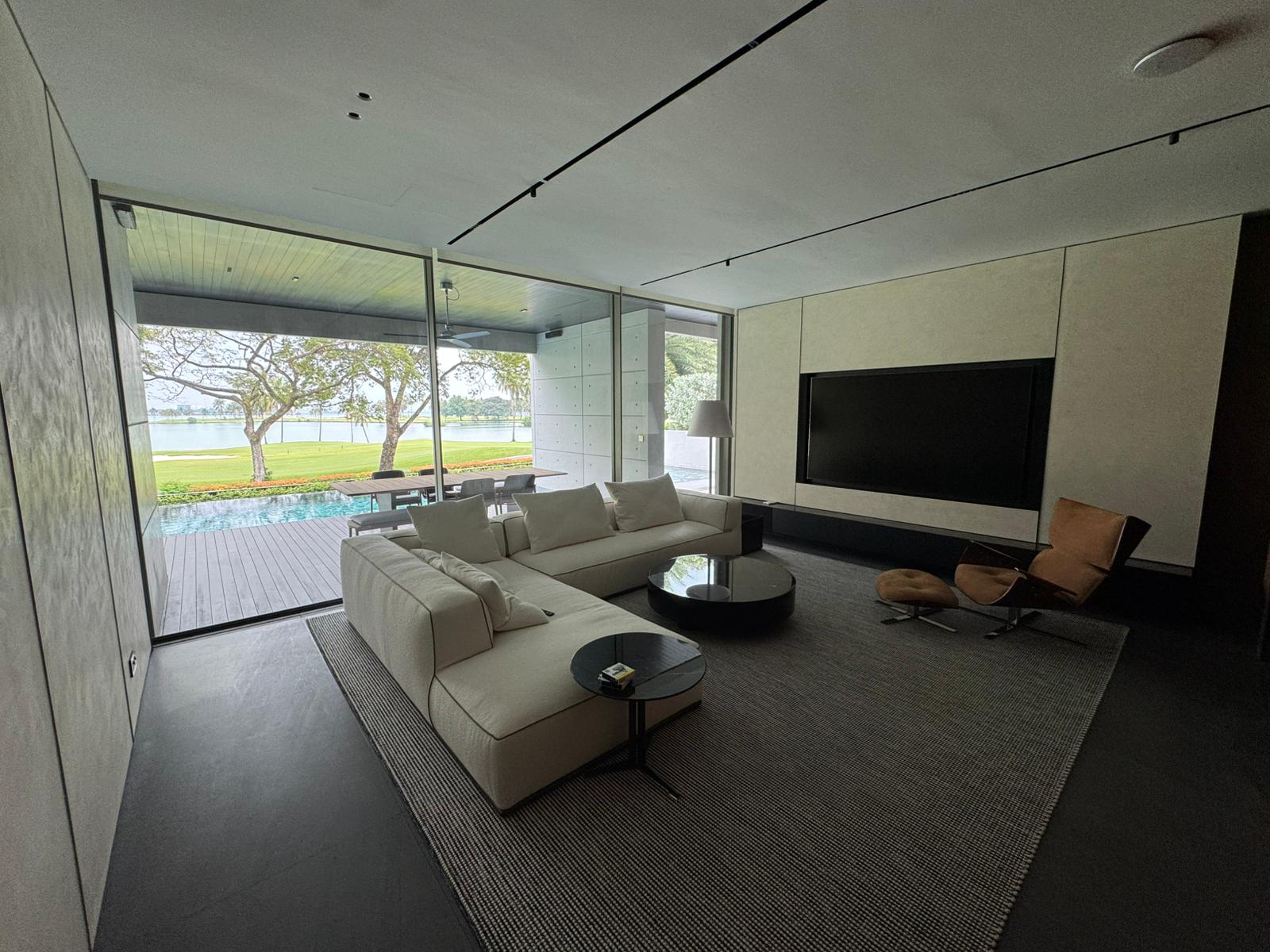
Whole-Property WiFi
Bedrooms, family rooms, basements, lifts, driveways, pool decks, and gate areas should feel like one network — not a mix of strong and weak spots.
EXPLORE WHOLE HOME WIFI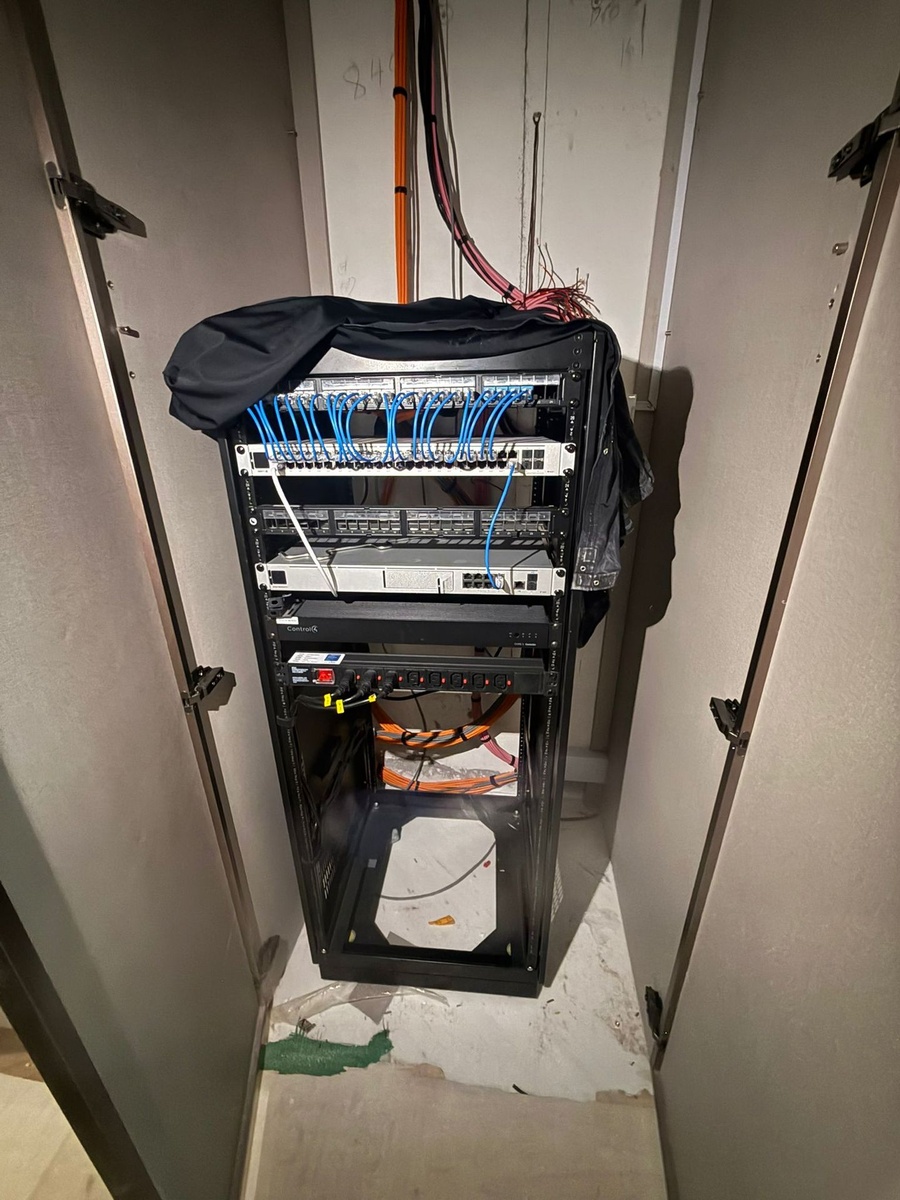
Structured Cabling & Rack Planning
Strong WiFi in a GCB usually starts behind the scenes — cleaner data points, better switching, proper patching, and the right rack layout.
EXPLORE CABLING & DATA POINTS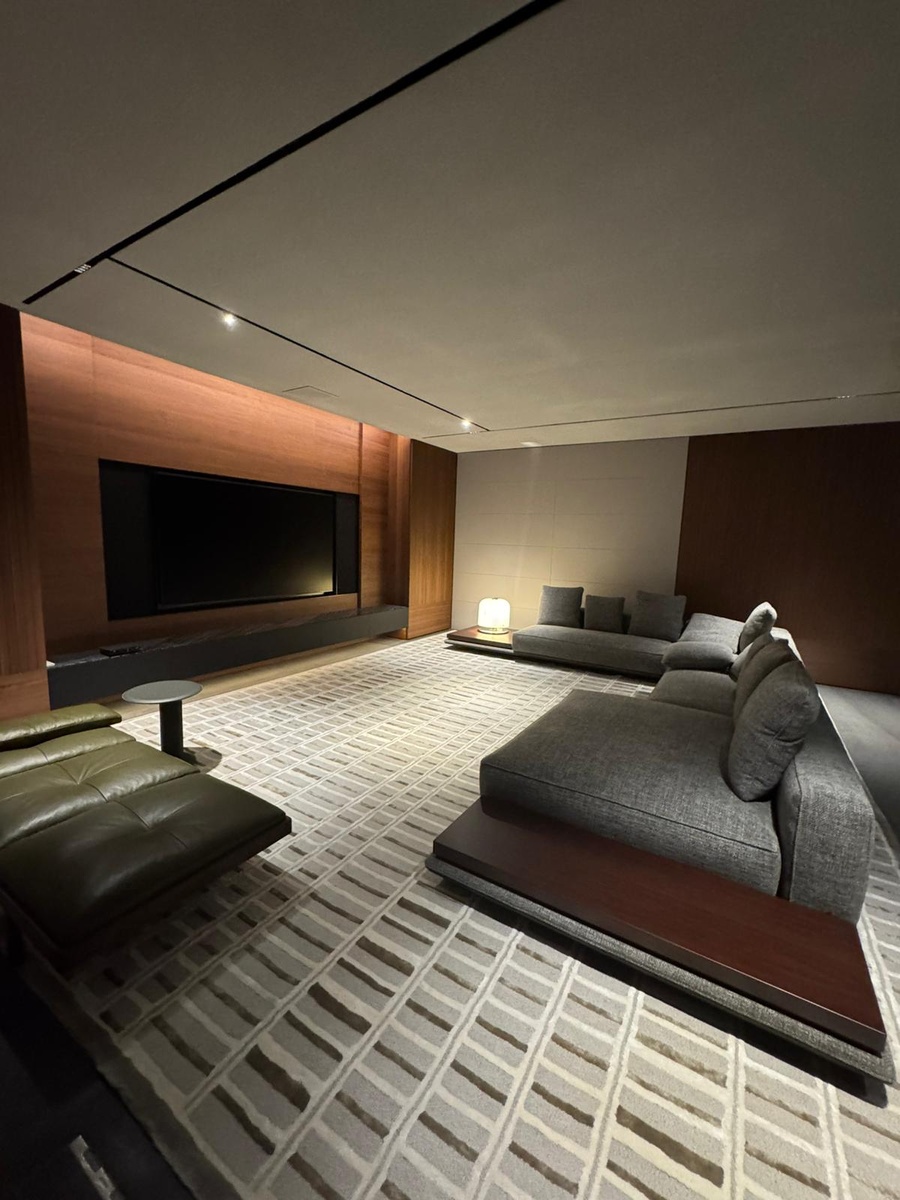
Smart Home-Ready Network
The network should support CCTV, intercom, remote access, AV, lighting control, and automation without becoming fragile or inconsistent.
EXPLORE INTEGRATIONWho This Page Is For
This page is written first for Good Class Bungalows, but it is also built to match the search intent of homeowners dealing with WiFi and network problems in large landed properties.
Good Class Bungalows
Large plots, premium expectations, indoor-outdoor coverage needs, and heavier system integration.
Detached & Bungalow Homes
Homes where a single-router setup, consumer mesh, or badly placed nodes no longer work properly.
Large Landed Homes
Multi-storey homes, side wings, basements, helper areas, and outdoor zones that need seamless coverage.
Luxury Upgrades & Retrofits
Premium homes where the renovation is done, but the actual network still feels inconsistent every day.
Does This Sound Familiar?
Most GCB owners do not start looking for a network specialist because of one technical detail. They start looking when daily use becomes frustrating.
WiFi is fine in some rooms, but bad in others
Strong near one part of the house, weak upstairs, weak in side wings, or weak in detached areas usually means the access points were never planned properly.
Pool, garden, driveway or gate zones keep dropping out
Outdoor coverage is often treated as an afterthought. In GCBs, it should be part of the main design from day one.
Calls break when you move around the house
That is usually a roaming problem, not a fibre-speed problem. The network may be handing over badly between access points.
CCTV, intercom, gate access or remote control feels unreliable
Premium homes rely on the network for more than internet. If the network is weak, the whole smart home starts feeling unstable.
You upgraded broadband, but the real problem stayed
More speed does not fix weak placement, messy rack setups, poor cabling, or bad wireless design inside the house.
The renovation is done, but the network points are wrong
This becomes expensive later. Large premium homes should plan the network early, before ceilings close and finishes are locked in.
Why GCB Owners Usually Prefer a Specialist, Not a Generic WiFi Installer
In premium homes, the decision is rarely just about fixing weak signal. It is about choosing a specialist who understands large layouts, discreet installations, premium expectations, and how the network affects the entire property.
Specialist understanding
GCB projects demand more than product knowledge. They require an understanding of large-home planning, indoor-outdoor coverage, and how premium clients expect systems to perform.
Personalised recommendations
No two GCB layouts are the same. Access point strategy, rack planning, data points, and outdoor coverage should be tailored to the property instead of copied from a standard template.
Confidence and discretion
Premium homeowners care about clean execution, privacy, and reliability. The right specialist gives clarity from the start and avoids messy trial-and-error later.
Why Faster Broadband Usually Does Not Solve a GCB Network Problem
In large landed homes, the problem is often after the internet handoff. If the access points are in the wrong places, the backbone is weak, or the house was retrofitted badly, the home will still feel inconsistent even if the broadband plan is fast.
If you are already dealing with weak rooms, dead zones, or unstable daily use, you can also explore our Home WiFi Repair Singapore page or our broader WiFi Installation Singapore page.
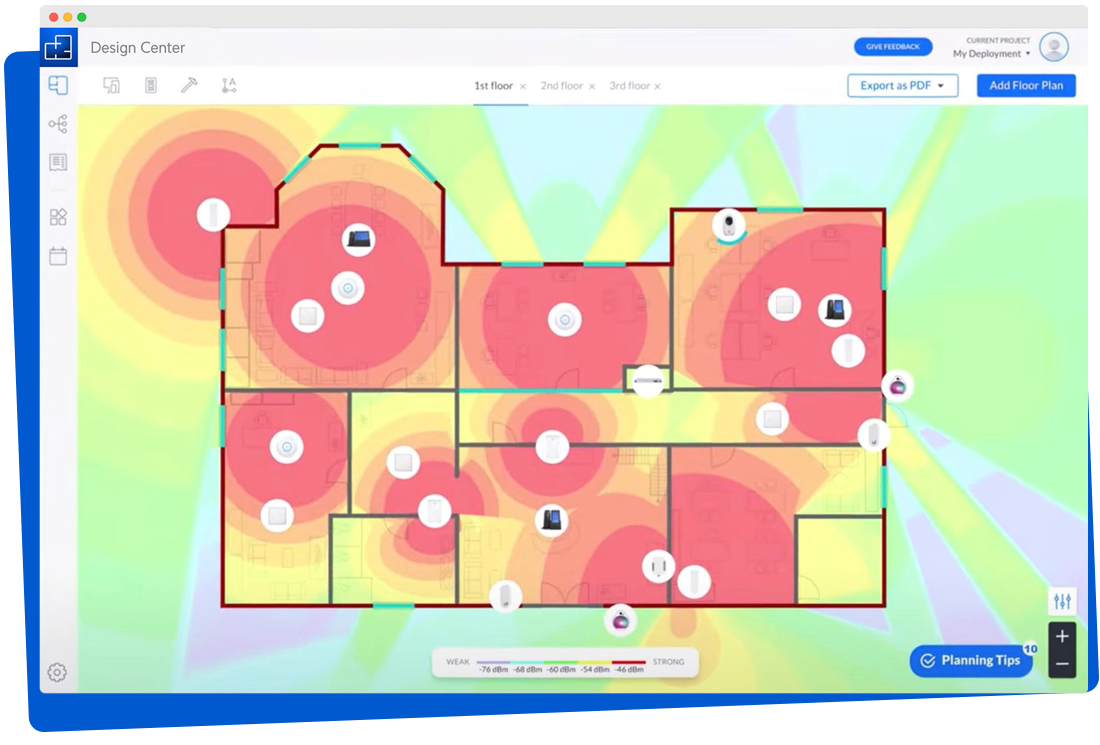
Indoor & Outdoor Coverage Should Be Planned Together
GCB owners do not only use WiFi in bedrooms and living rooms. The network often needs to work across pool areas, gardens, side access paths, driveways, car porches, gate posts, staff zones, and detached structures.
For related large-home coverage pages, see Landed Home WiFi Singapore and Whole Home WiFi & Network Singapore.

Network Design for New Builds, Retrofits & High-End Upgrades
The best time to plan a GCB network is before ceilings close, but many luxury homes also need targeted upgrades after years of patchwork fixes. We approach both new-build and retrofit projects with the same goal: clean infrastructure, stable coverage, and better long-term performance.
- New build planning for AP locations, data points and rack space
- Retrofit strategy to correct weak zones without unnecessary rework
- Support for CCTV, intercom, AV and automation requirements
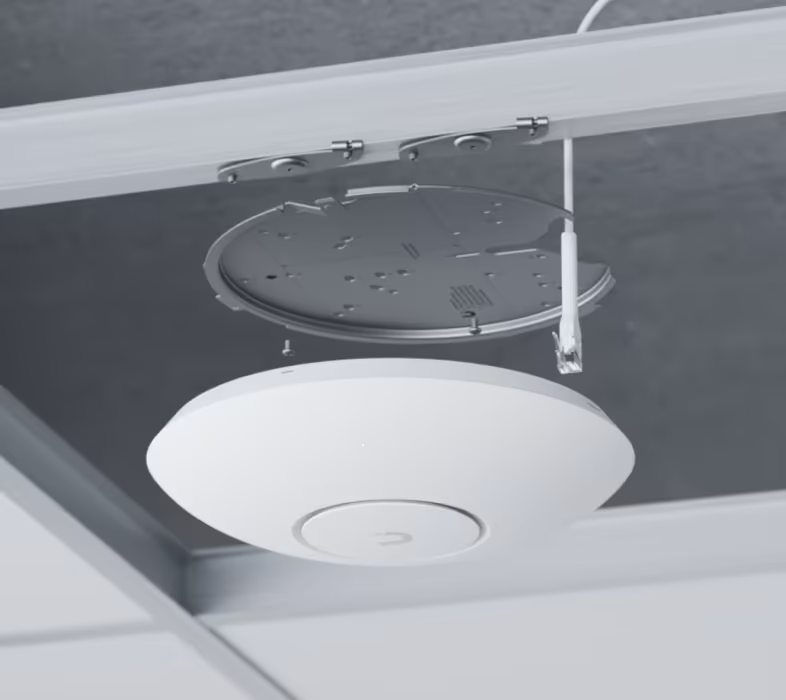
What a Proper GCB Network Should Include
Not more random hardware. A better design.
For new builds
Planned Infrastructure
Better results happen when access points, data points, rack locations, and outdoor coverage are planned before the house is finished.
- Better AP positioning
- Cleaner wiring routes
- Less ugly retrofit work later
- More room for future expansion
For existing homes
Targeted Upgrades
Many GCBs can be improved without redoing everything. The real win is identifying the weak parts and correcting them properly.
- Fix dead zones and bad roaming
- Improve rack and backbone layout
- Correct weak access point deployment
- Support modern smart-home loads
For premium homes
Security & Integration Readiness
CCTV, smart intercom, remote gate access, AV, and automation all depend on the network underneath them. If the backbone is weak, everything above it feels weak too.
Next step
Request a GCB Network Consultation
Send your floor plan and tell us where the network is failing. We will review the layout, identify likely bottlenecks, and recommend the right direction for coverage, cabling, and upgrade scope.
What to send: Floor plan, reflected ceiling plan if available, pain
points, and any CCTV / intercom / AV / smart home requirements
What you get: Specialist guidance on access point layout, cabling
direction, likely bottlenecks, and whether the house needs a new-build design or
targeted retrofit approach
Strongest when planned early, but still useful for existing homes with recurring WiFi and
network problems.
More Details for Homeowners Who Want the Full Picture
This section sits lower on the page for owners who want to understand the bigger picture before committing.
Key Takeaways
| Question | Answer |
|---|---|
| Why is my GCB WiFi bad even though my broadband is fast? | Because most large-home failures come from poor in-home design — weak AP placement, poor cabling, messy retrofits, or consumer hardware used beyond its limits. |
| What makes a GCB network different? | Larger floor plates, harder materials, more outdoor zones, more systems, and much higher reliability expectations. |
| Can an existing GCB be improved without redoing everything? | Often yes. Many homes can be upgraded intelligently by correcting the weak parts instead of rebuilding the whole network. |
| What matters most? | Stable daily use: clean roaming, strong outdoor coverage, reliable CCTV and intercom performance, and room for future expansion. |
1) Why Specialist Planning Matters in a GCB
GCB projects are not ordinary home WiFi jobs. They usually involve larger footprints, more premium interior constraints, more outdoor living areas, and more systems depending on the network.
- Dead zones are more expensive to correct after completion
- Concrete, stone, mirrors, lift shafts and layout complexity can distort signal badly
- Premium homes expose weak network design faster than smaller apartments
2) Common GCB Network Problems We See
Coverage & roaming issues
Weak signal in upstairs rooms, helper areas, basements, side wings, outdoor edges, or detached spaces usually points to poor design rather than lack of internet speed.
- Dead zones in key rooms
- Bad handover between floors
- Outdoor drop-offs near gates and driveways
Infrastructure issues
A fast broadband plan cannot compensate for weak internal backbone design. This is where many luxury homes quietly fail.
- Weak or missing wired backhaul
- Messy cabinets and poor patching
- Consumer mesh used beyond realistic scale
3) What Many GCB Owners Realise Too Late
Many large-home network problems are not caused by the fibre plan itself. They usually come from poor access point placement, weak backbone design, badly planned cabinet space, or network points installed without a full-property strategy.
- More broadband speed does not automatically fix weak room-to-room WiFi
- Consumer mesh systems are often not enough for complex GCB layouts
- Outdoor coverage must be designed with the indoor network, not added later
- CCTV, intercom, AV and automation are only as reliable as the network underneath them
4) What a Proper GCB Network Design Includes
A premium home network is more than “better WiFi”. It is a full infrastructure plan for coverage, stability, roaming, security, and future expansion across the whole property.
Core design elements
- Structured cabling planned early or rectified intelligently
- Access point placement based on layout, walls and movement patterns
- Clean cabinet / rack / switch planning
- Stable wired backbone across the house
Premium-home priorities
- Discreet installation with minimal visual disruption
- Outdoor and perimeter coverage
- Readiness for CCTV, intercom, AV and automation
- Room for future upgrades without chaos
5) How Weak Networking Affects Security, Access & Automation
A GCB network is usually supporting more than internet usage. CCTV streams, smart intercom, access control, remote gate access, AV, and automation all depend on a reliable backbone.
- Weak network design can affect camera stability and remote monitoring
- Smart intercom and access control are stronger when the network foundation is clean
- Whole-home automation works better when WiFi, switching and structured cabling are planned together
6) GCB Areas and Location Context in Singapore
This page is written for Singapore’s Good Class Bungalow market, where homeowners in areas such as Nassim, Cluny, Leedon, Queen Astrid, Binjai, Swiss Club, Dalvey, Ridout, Holland and Bukit Timah expect stronger performance, cleaner execution and more future-proof infrastructure than a typical residential WiFi setup.
- Large plot sizes and wider footprints increase network complexity
- Outdoor living areas and perimeter coverage become more important
- Premium homes often carry heavier CCTV, AV and smart home loads
7) New Build vs Retrofit: When to Plan It
The best time to future-proof a GCB is before ceilings close and before the house fills up with devices. Early planning gives you better concealment, better AP locations, cleaner rack logic and lower long-term cost.
- Better access point and data point locations from the start
- Less need for visible retrofit work later
- Easier coordination with AV, lighting, security and interior design
8) Related HAP Pages
9) Portfolio and Proof Matter
Premium homeowners do not just want to know what hardware you can install. They want to know whether you can handle homes like theirs cleanly and confidently.
FAQ
Good Class Bungalow Network Specialist Singapore FAQ
Tap a question to view the answer.
Because internet speed and in-home network quality are different things. In large homes, the real bottleneck is often access point placement, roaming logic, wired backbone quality, or patchwork infrastructure after the fibre handoff.
There is no fixed number. It depends on the layout, plot size, wall materials, floor separation, outdoor requirements, and how the home is actually used. Proper AP count and placement should come from planning, not guesswork.
Yes. Outdoor coverage should be designed as part of the whole property network so movement between interior and exterior spaces feels seamless instead of fragmented.
Yes. That is often the best time to get the network right because access point positions, cabling routes, cabinet space, and integration requirements can be handled properly before finishes are completed.
In many cases, yes. We can review the current infrastructure, identify the real bottlenecks, and redesign the weak parts so the result improves properly without unnecessary rework.
Yes. A premium home network should support security, intercom, AV, remote access and automation cleanly, and that is exactly how we approach the design.
Sometimes in smaller homes, maybe. In GCBs, consumer mesh is often pushed beyond what it was realistically designed for. Large homes usually perform better with a properly planned enterprise-style architecture and stronger wired backbone.
In many large homes, yes. Strong WiFi in a GCB usually depends on strong wired backbone design. Better wireless performance often starts with better cabling, patching and switching behind the scenes.
Pricing depends on the size of the property, whether it is a new build or retrofit, the amount of cabling involved, the indoor-outdoor coverage requirements, and the number of systems being integrated. The right first step is to review the floor plan and scope properly.
Get a Good Class Bungalow Network Consultation in Singapore — WiFi, Cabling, Rack Planning & Upgrade Direction
Share your floor plan and tell us where the network is failing. We will review likely pain points, access point strategy, structured cabling needs, and the right next step for a new build, renovation, or underperforming GCB.
good class bungalow • gcb network specialist • singapore • landed home wifi • luxury home
network
Good Class Bungalow Network Specialist Singapore — GCB WiFi, Landed Home WiFi, Outdoor Coverage & Luxury Home Network Upgrades
If your WiFi is weak upstairs, your pool or gate area keeps dropping out, video calls break when you move around the house, or CCTV and intercom feel unreliable, the issue is usually not your broadband plan. It is your in-home network design.
HAP designs and upgrades enterprise-grade networks for Good Class Bungalows (GCBs), large landed homes, detached houses and premium residences in Singapore — with proper access point placement, structured cabling, rack planning, outdoor WiFi, and clean integration with CCTV, intercom, AV, and automation.
Weak WiFi upstairs
Outdoor dead zones
Bad roaming
Unstable CCTV / intercom
Faster broadband didn’t help
Whole-Property WiFi
Bedrooms, family rooms, basements, lifts, driveways, pool decks, and gate areas should feel like one network — not a mix of strong and weak spots.
EXPLORE WHOLE HOME WIFI
Structured Cabling & Rack Planning
Strong WiFi in a GCB usually starts behind the scenes — cleaner data points, better switching, proper patching, and the right rack layout.
EXPLORE CABLING & DATA POINTS
Smart Home-Ready Network
The network should support CCTV, intercom, remote access, AV, lighting control, and automation without becoming fragile or inconsistent.
EXPLORE INTEGRATIONWho This Page Is For
This page is written first for Good Class Bungalows, but it is also built to match the search intent of homeowners dealing with WiFi and network problems in large landed properties.
Good Class Bungalows
Large plots, premium expectations, indoor-outdoor coverage needs, and heavier system integration.
Detached & Bungalow Homes
Homes where a single-router setup, consumer mesh, or badly placed nodes no longer work properly.
Large Landed Homes
Multi-storey homes, side wings, basements, helper areas, and outdoor zones that need seamless coverage.
Luxury Upgrades & Retrofits
Premium homes where the renovation is done, but the actual network still feels inconsistent every day.
Does This Sound Familiar?
Most GCB owners do not start looking for a network specialist because of one technical detail. They start looking when daily use becomes frustrating.
WiFi is fine in some rooms, but bad in others
Strong near one part of the house, weak upstairs, weak in side wings, or weak in detached areas usually means the access points were never planned properly.
Pool, garden, driveway or gate zones keep dropping out
Outdoor coverage is often treated as an afterthought. In GCBs, it should be part of the main design from day one.
Calls break when you move around the house
That is usually a roaming problem, not a fibre-speed problem. The network may be handing over badly between access points.
CCTV, intercom, gate access or remote control feels unreliable
Premium homes rely on the network for more than internet. If the network is weak, the whole smart home starts feeling unstable.
You upgraded broadband, but the real problem stayed
More speed does not fix weak placement, messy rack setups, poor cabling, or bad wireless design inside the house.
The renovation is done, but the network points are wrong
This becomes expensive later. Large premium homes should plan the network early, before ceilings close and finishes are locked in.
Why GCB Owners Usually Prefer a Specialist, Not a Generic WiFi Installer
In premium homes, the decision is rarely just about fixing weak signal. It is about choosing a specialist who understands large layouts, discreet installations, premium expectations, and how the network affects the entire property.
Specialist understanding
GCB projects demand more than product knowledge. They require an understanding of large-home planning, indoor-outdoor coverage, and how premium clients expect systems to perform.
Personalised recommendations
No two GCB layouts are the same. Access point strategy, rack planning, data points, and outdoor coverage should be tailored to the property instead of copied from a standard template.
Confidence and discretion
Premium homeowners care about clean execution, privacy, and reliability. The right specialist gives clarity from the start and avoids messy trial-and-error later.
Why Faster Broadband Usually Does Not Solve a GCB Network Problem
In large landed homes, the problem is often after the internet handoff. If the access points are in the wrong places, the backbone is weak, or the house was retrofitted badly, the home will still feel inconsistent even if the broadband plan is fast.
If you are already dealing with weak rooms, dead zones, or unstable daily use, you can also explore our Home WiFi Repair Singapore page or our broader WiFi Installation Singapore page.
Indoor & Outdoor Coverage Should Be Planned Together
GCB owners do not only use WiFi in bedrooms and living rooms. The network often needs to work across pool areas, gardens, side access paths, driveways, car porches, gate posts, staff zones, and detached structures.
For related large-home coverage pages, see Landed Home WiFi Singapore and Whole Home WiFi & Network Singapore.
Network Design for New Builds, Retrofits & High-End Upgrades
The best time to plan a GCB network is before ceilings close, but many luxury homes also need targeted upgrades after years of patchwork fixes. We approach both new-build and retrofit projects with the same goal: clean infrastructure, stable coverage, and better long-term performance.
- New build planning for AP locations, data points and rack space
- Retrofit strategy to correct weak zones without unnecessary rework
- Support for CCTV, intercom, AV and automation requirements
What a Proper GCB Network Should Include
Not more random hardware. A better design.
For new builds
Planned Infrastructure
Better results happen when access points, data points, rack locations, and outdoor coverage are planned before the house is finished.
- Better AP positioning
- Cleaner wiring routes
- Less ugly retrofit work later
- More room for future expansion
For existing homes
Targeted Upgrades
Many GCBs can be improved without redoing everything. The real win is identifying the weak parts and correcting them properly.
- Fix dead zones and bad roaming
- Improve rack and backbone layout
- Correct weak access point deployment
- Support modern smart-home loads
For premium homes
Security & Integration Readiness
CCTV, smart intercom, remote gate access, AV, and automation all depend on the network underneath them. If the backbone is weak, everything above it feels weak too.
Next step
Request a GCB Network Consultation
Send your floor plan and tell us where the network is failing. We will review the layout, identify likely bottlenecks, and recommend the right direction for coverage, cabling, and upgrade scope.
What to send: Floor plan, reflected ceiling plan if available, pain
points, and any CCTV / intercom / AV / smart home requirements
What you get: Specialist guidance on access point layout, cabling
direction, likely bottlenecks, and whether the house needs a new-build design or
targeted retrofit approach
Strongest when planned early, but still useful for existing homes with recurring WiFi and
network problems.
More Details for Homeowners Who Want the Full Picture
This section sits lower on the page for owners who want to understand the bigger picture before committing.
Key Takeaways
| Question | Answer |
|---|---|
| Why is my GCB WiFi bad even though my broadband is fast? | Because most large-home failures come from poor in-home design — weak AP placement, poor cabling, messy retrofits, or consumer hardware used beyond its limits. |
| What makes a GCB network different? | Larger floor plates, harder materials, more outdoor zones, more systems, and much higher reliability expectations. |
| Can an existing GCB be improved without redoing everything? | Often yes. Many homes can be upgraded intelligently by correcting the weak parts instead of rebuilding the whole network. |
| What matters most? | Stable daily use: clean roaming, strong outdoor coverage, reliable CCTV and intercom performance, and room for future expansion. |
1) Why Specialist Planning Matters in a GCB
GCB projects are not ordinary home WiFi jobs. They usually involve larger footprints, more premium interior constraints, more outdoor living areas, and more systems depending on the network.
- Dead zones are more expensive to correct after completion
- Concrete, stone, mirrors, lift shafts and layout complexity can distort signal badly
- Premium homes expose weak network design faster than smaller apartments
2) Common GCB Network Problems We See
Coverage & roaming issues
Weak signal in upstairs rooms, helper areas, basements, side wings, outdoor edges, or detached spaces usually points to poor design rather than lack of internet speed.
- Dead zones in key rooms
- Bad handover between floors
- Outdoor drop-offs near gates and driveways
Infrastructure issues
A fast broadband plan cannot compensate for weak internal backbone design. This is where many luxury homes quietly fail.
- Weak or missing wired backhaul
- Messy cabinets and poor patching
- Consumer mesh used beyond realistic scale
3) What Many GCB Owners Realise Too Late
Many large-home network problems are not caused by the fibre plan itself. They usually come from poor access point placement, weak backbone design, badly planned cabinet space, or network points installed without a full-property strategy.
- More broadband speed does not automatically fix weak room-to-room WiFi
- Consumer mesh systems are often not enough for complex GCB layouts
- Outdoor coverage must be designed with the indoor network, not added later
- CCTV, intercom, AV and automation are only as reliable as the network underneath them
4) What a Proper GCB Network Design Includes
A premium home network is more than “better WiFi”. It is a full infrastructure plan for coverage, stability, roaming, security, and future expansion across the whole property.
Core design elements
- Structured cabling planned early or rectified intelligently
- Access point placement based on layout, walls and movement patterns
- Clean cabinet / rack / switch planning
- Stable wired backbone across the house
Premium-home priorities
- Discreet installation with minimal visual disruption
- Outdoor and perimeter coverage
- Readiness for CCTV, intercom, AV and automation
- Room for future upgrades without chaos
5) How Weak Networking Affects Security, Access & Automation
A GCB network is usually supporting more than internet usage. CCTV streams, smart intercom, access control, remote gate access, AV, and automation all depend on a reliable backbone.
- Weak network design can affect camera stability and remote monitoring
- Smart intercom and access control are stronger when the network foundation is clean
- Whole-home automation works better when WiFi, switching and structured cabling are planned together
6) GCB Areas and Location Context in Singapore
This page is written for Singapore’s Good Class Bungalow market, where homeowners in areas such as Nassim, Cluny, Leedon, Queen Astrid, Binjai, Swiss Club, Dalvey, Ridout, Holland and Bukit Timah expect stronger performance, cleaner execution and more future-proof infrastructure than a typical residential WiFi setup.
- Large plot sizes and wider footprints increase network complexity
- Outdoor living areas and perimeter coverage become more important
- Premium homes often carry heavier CCTV, AV and smart home loads
7) New Build vs Retrofit: When to Plan It
The best time to future-proof a GCB is before ceilings close and before the house fills up with devices. Early planning gives you better concealment, better AP locations, cleaner rack logic and lower long-term cost.
- Better access point and data point locations from the start
- Less need for visible retrofit work later
- Easier coordination with AV, lighting, security and interior design
8) Related HAP Pages
9) Portfolio and Proof Matter
Premium homeowners do not just want to know what hardware you can install. They want to know whether you can handle homes like theirs cleanly and confidently.
FAQ
Good Class Bungalow Network Specialist Singapore FAQ
Tap a question to view the answer.
A GCB has a larger and more complex environment, more difficult construction materials, more indoor-outdoor zones, and more systems depending on the network. That usually means design-led infrastructure instead of a basic router or consumer mesh setup.
Because internet speed and in-home network quality are different things. In large homes, the real bottleneck is often access point placement, roaming logic, wired backbone quality, or patchwork infrastructure after the fibre handoff.
There is no fixed number. It depends on the layout, plot size, wall materials, floor separation, outdoor requirements, and how the home is actually used. Proper AP count and placement should come from planning, not guesswork.
Yes. Outdoor coverage should be designed as part of the whole property network so movement between interior and exterior spaces feels seamless instead of fragmented.
Yes. That is often the best time to get the network right because access point positions, cabling routes, cabinet space, and integration requirements can be handled properly before finishes are completed.
In many cases, yes. We can review the current infrastructure, identify the real bottlenecks, and redesign the weak parts so the result improves properly without unnecessary rework.
Yes. A premium home network should support security, intercom, AV, remote access and automation cleanly, and that is exactly how we approach the design.
Sometimes in smaller homes, maybe. In GCBs, consumer mesh is often pushed beyond what it was realistically designed for. Large homes usually perform better with a properly planned enterprise-style architecture and stronger wired backbone.
In many large homes, yes. Strong WiFi in a GCB usually depends on strong wired backbone design. Better wireless performance often starts with better cabling, patching and switching behind the scenes.
Pricing depends on the size of the property, whether it is a new build or retrofit, the amount of cabling involved, the indoor-outdoor coverage requirements, and the number of systems being integrated. The right first step is to review the floor plan and scope properly.
Get a Good Class Bungalow Network Consultation in Singapore — WiFi, Cabling, Rack Planning & Upgrade Direction
Share your floor plan and tell us where the network is failing. We will review likely pain points, access point strategy, structured cabling needs, and the right next step for a new build, renovation, or underperforming GCB.