Trust boundaries
Where devices sit, which networks they use, who can reach them and what traffic is allowed.
The biggest gap in many secure smart homes is not the devices. It is the system thinking behind them. For landed homes and condominiums, HAP designs the network, access, integrations and local control together, so smart living remains private, dependable and simple to use.
Security only holds when the complete technology layer works together. These are the six areas HAP plans as one system.
| What to prioritise | Why it matters | How HAP approaches it |
|---|---|---|
| System design, not isolated devices | Security weakens when products, accounts and control flows are planned separately. | We design the complete control architecture and commission how its parts communicate. |
| Secure network foundations | Segmentation and access rules can limit the impact of a compromised device. | We plan the wired and Wi-Fi backbone, with isolation where appropriate. |
| Controlled remote access | Unnecessary direct exposure of devices increases avoidable risk. | We use controlled, application-level access paths and appropriate authentication. |
| Local operation | Core household functions should not depend entirely on internet or cloud availability. | We identify which lighting, comfort and control functions should remain local. |
| Device lifecycle | Unsupported products and outdated firmware can become weak links. | We favour maintainable ecosystems and plan for updates, support and replacement. |
| Privacy by design | Cameras, microphones, apps and cloud accounts can create personal data trails. | We plan permissions, users, integrations and data handling intentionally. |
Singapore project context: In landed homes and condominiums, security outcomes depend on early planning for the network, structured cabling, equipment locations and access—not on adding more apps after renovation.
A secure smart home system is designed as a connected environment, not a checklist of product security features. The technology layer should behave predictably, limit unnecessary exposure and continue supporting daily life when one component changes or becomes unavailable.
In practice, smart home cybersecurity in Singapore depends on how the network, controller, integrations, user accounts and remote access paths work together.
That is the difference between buying a collection of consumer Wi-Fi devices and planning secure home automation in Singapore as a complete system. When technology is planned as part of the home, the experience feels intuitive and the security model becomes more coherent.
Smart living is only premium when it is dependable behind the scenes. HAP plans for cybersecurity outcomes rather than relying only on individual product claims.
If you are planning a renovation, define these boundaries before walls and ceilings close. See our approach to smart home installation in Singapore.
Where devices sit, which networks they use, who can reach them and what traffic is allowed.
How remote control works and what, if anything, is reachable from outside the home.
What keeps working locally if the internet or a vendor cloud is temporarily unavailable.
How user permissions, accounts, cameras, microphones and stored data are handled.
The same security principles apply to every connected home, but the practical boundaries change with the property. HAP plans around the places, people and infrastructure that actually need protection.
Plan before installation: Estate requirements vary. Confirm the current MCST by-laws and approvals for the specific development before installing equipment that affects shared areas or common property. See the BCA strata management guides for official Singapore context.
The difference is not simply the price or brand of each product. It is whether the home has one maintainable design for network access, control, updates and fallback behaviour.
| Design area | Typical patchwork DIY setup | Professionally integrated approach |
|---|---|---|
| Control | Multiple apps, hubs and independent automations. | Centralised control with defined and tested flows. |
| Network | Devices added to the main Wi-Fi network as needed. | Planned cabling, access points, network groups and equipment locations. |
| Remote access | Separate vendor accounts with inconsistent security settings. | Controlled access paths, clear permissions and fewer unnecessary connections. |
| Outage behaviour | Essential functions may depend on an app, internet service or vendor cloud. | Critical local control and practical physical fallbacks are planned where possible. |
| Long-term support | Ownership is spread across many products and support channels. | Commissioning, documentation and a maintainable lifecycle plan. |
Explore how HAP connects lighting, curtains, Wi-Fi, security, climate and entertainment through whole-home automation.
Security and reliability are built into the parts homeowners rarely see—from the rack and network backbone to centralised control and dependable physical keypads.
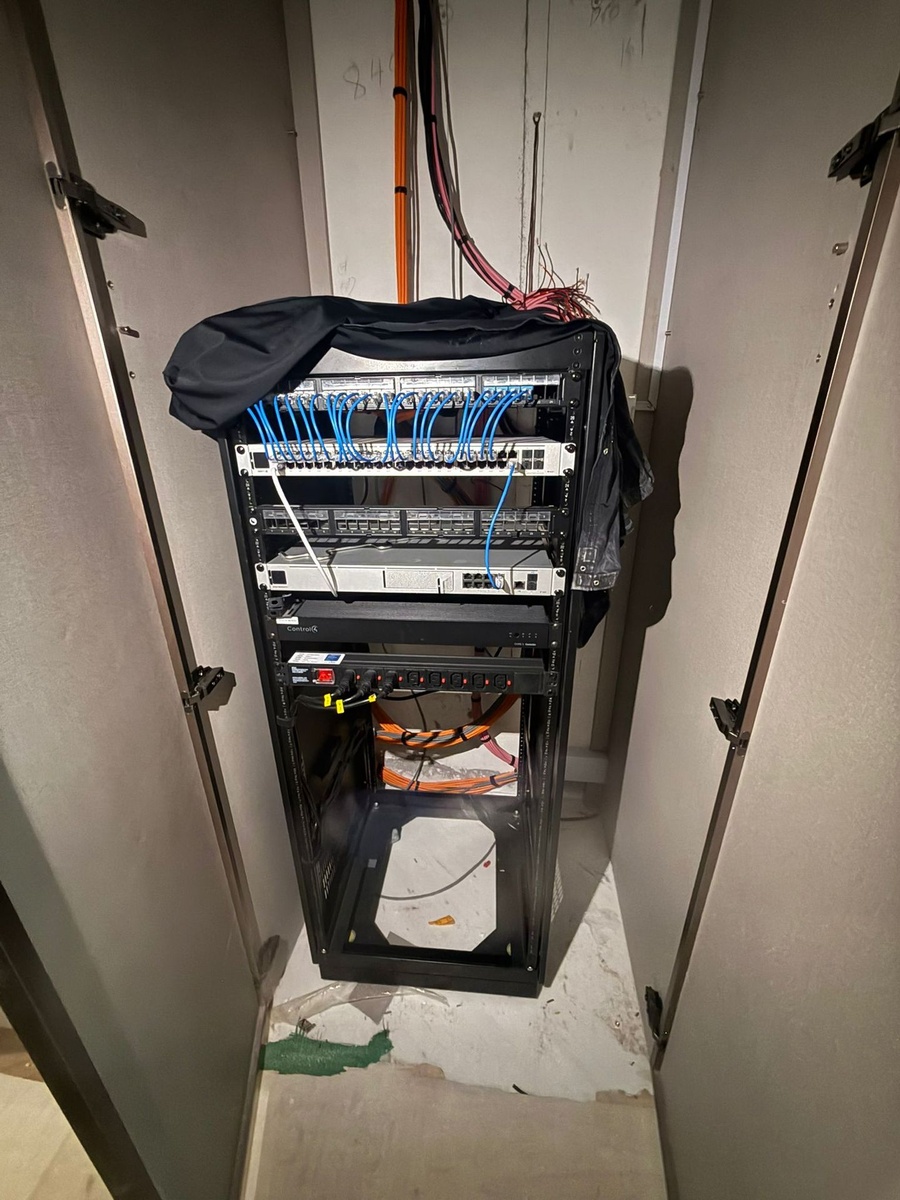
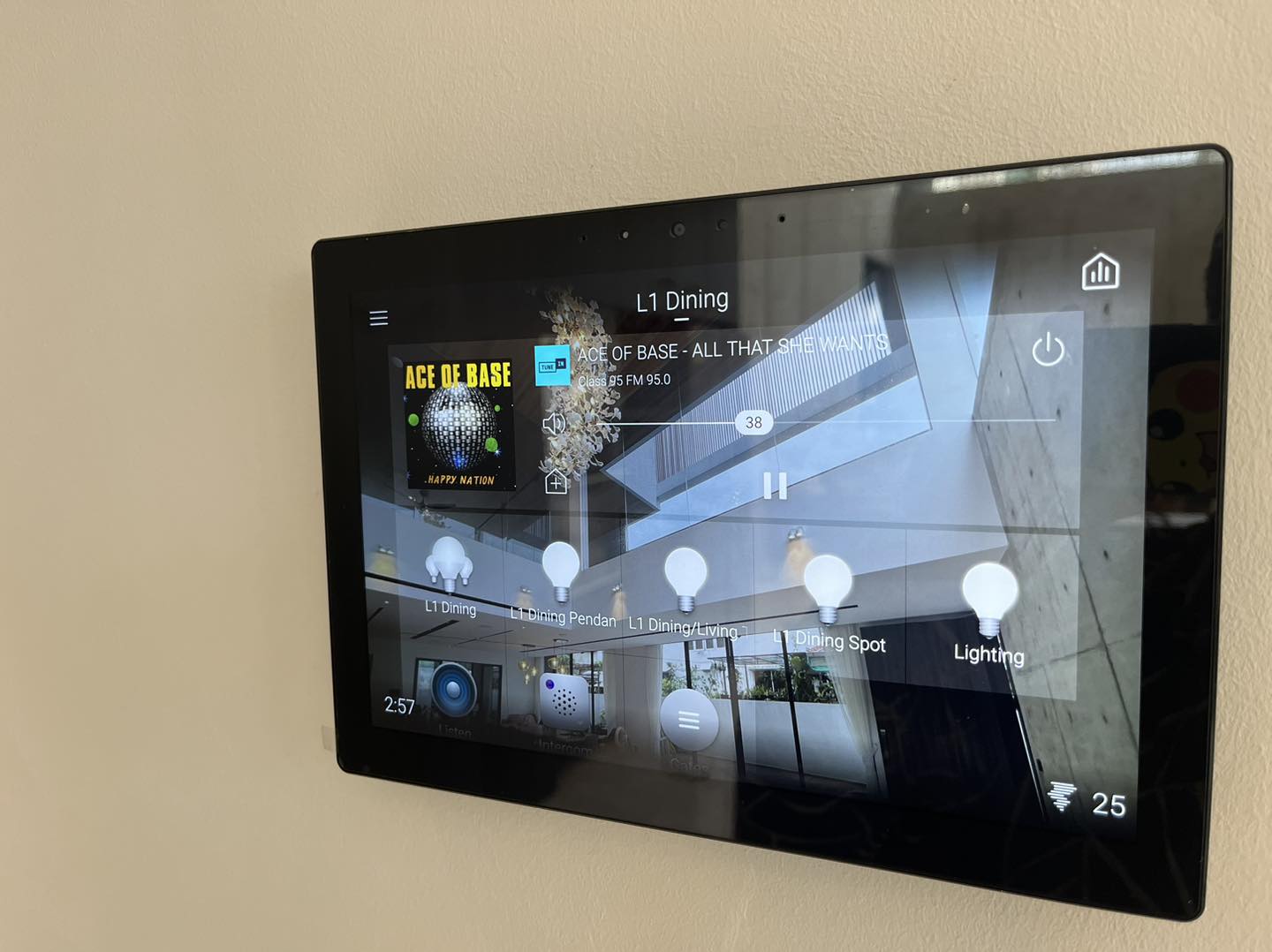
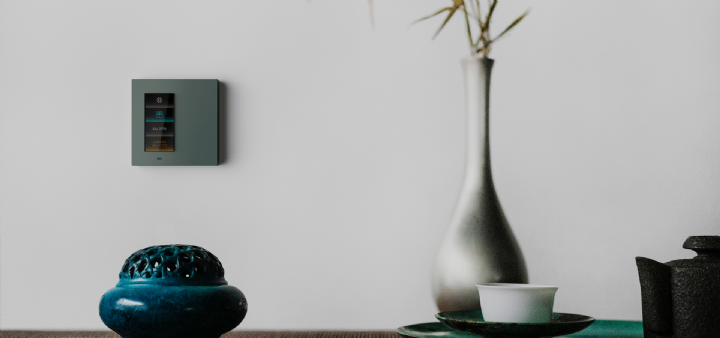
Network security is where product features become a system outcome. The goal is to limit who can reach what, while keeping critical services stable as devices are added over time.
Reliability is not just internet speed. It is how predictably devices communicate and how quickly the home recovers from a change. Review HAP’s whole-home Wi-Fi and network planning.
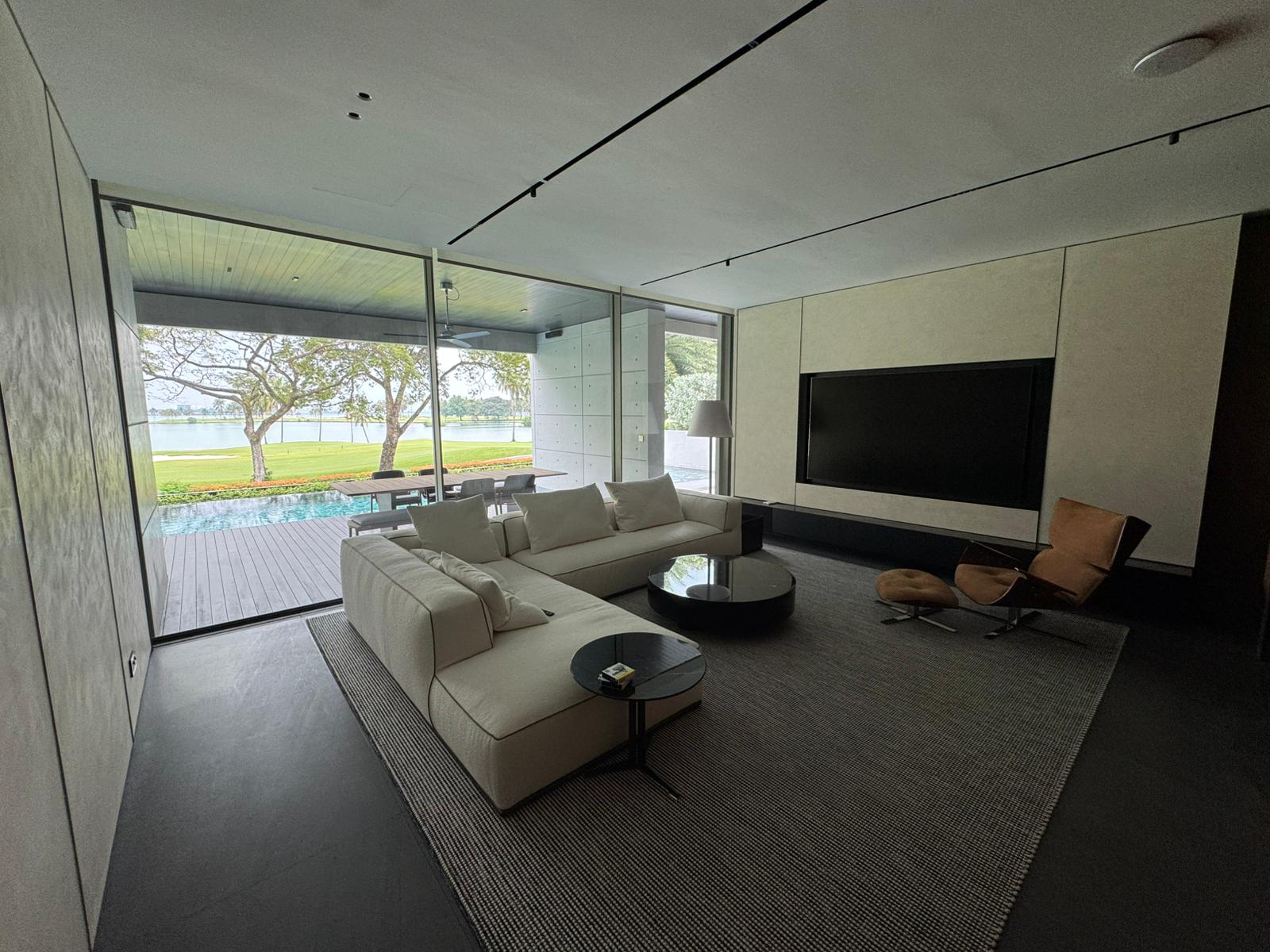
A secure smart home should remain dependable in both connected and disconnected moments. Some functions may rely on cloud services, but the home should not become unusable when the internet is temporarily down.
Remote phone access may pause, while planned local keypads, controllers and everyday scenes should continue where the selected systems support it.
A temporary vendor outage should not unnecessarily interrupt local lighting, curtains or other critical routines.
Essential control should have a continuity plan if an app, subscription, account policy or supported integration changes.
HAP maps which functions should remain local, which can tolerate cloud dependency and how remote features should behave during an outage. See our approach to a reliable smart home system for landed homes.
Early planning lets HAP coordinate cabling, equipment locations, network separation, cameras, access control and local fallback with your architect, interior designer and electrical team.
Remote access is useful, but it becomes a risk when implemented carelessly. The principle is simple: do not expose internal devices directly to the internet when a controlled access method is available.
Define which services can be reached externally and remove access that is not needed.
Use strong, unique credentials and multi-factor authentication where the platform supports it.
Limit what household, service and temporary users can view or control.
Prefer managed application-level access over opening raw device ports.
You should enjoy remote convenience without turning the home network into an open system. Contact HAP for a guided smart home consultation covering control, remote access and system reliability.
Privacy is about personal information management, not only device security. Camera feeds, microphone-enabled features, mobile notifications and cloud accounts can all create or reveal information about daily life.
HAP treats privacy as a design requirement in landed homes and condominiums. The objective is clear access, sensible data handling and fewer unnecessary integrations.
If the project includes CCTV, intercom or visitor workflows, these should be planned alongside the home’s wider physical smart home security rather than treated as unrelated apps.
Decide who can view, who can control and what each household or service role can access.
Define when recording occurs, where events are stored and how long data is kept.
Use unique smart home credentials, remove old users and review access after staff or household changes.
Connect only what is useful, so data sharing and the number of external services stay controlled.
Device security is largely about maintenance. Firmware updates can fix vulnerabilities and improve stability, but they can also change how accounts, remote access and integrations behave.
Risk grows when support ends, manufacturers stop maintaining a product or updates are ignored. That is why HAP treats lifecycle planning as part of the secure smart home—not as a one-time setup or an unexpected homeowner chore.
For IoT security in Singapore, a clear support and replacement path is just as important as the device’s features on installation day.
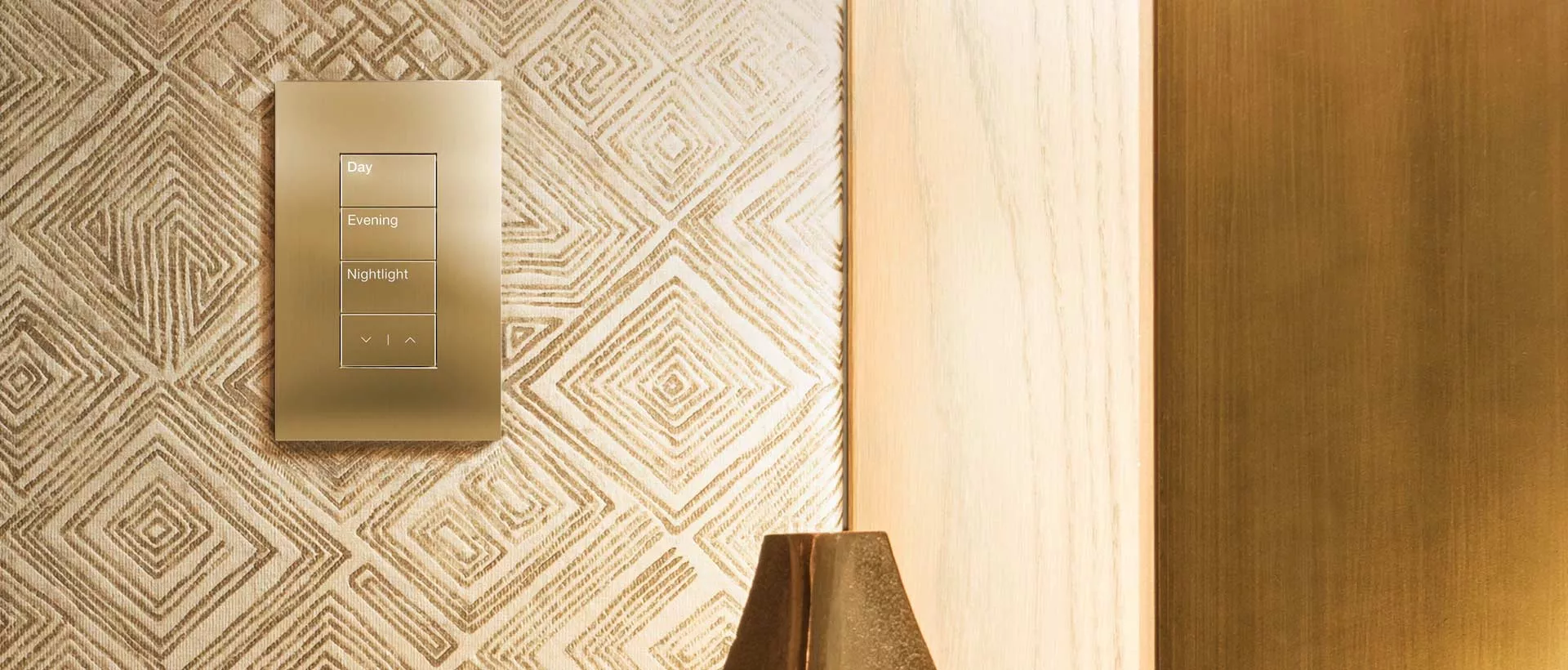
Long-lived infrastructure and practical physical control also matter. Explore Lutron lighting control as one example of HAP’s scene-based whole-home planning.
There is no single “most secure” brand in isolation. Security depends on how the entire system is selected, designed, configured and maintained.
HAP integrates professional automation, networking and access around the needs of each property. One premium control platform we work with is the Control4 smart home system, but the secure result still depends on the full project design.
Smart home reliability in Singapore means lighting, climate control and essential routines should continue operating where possible when remote services are unavailable. Reliability is designed into the control chain, not added after a failure.
Smart home risks exist, but the right response is disciplined design rather than fear. A strong system reduces the chance of compromise and limits the impact if one component is affected.
See how HAP brings automation, networking and security together in a real residence through the Marina One Residence smart home project.
A secure smart home in Singapore is achieved through complete system architecture, not isolated features. HAP plans home automation around network security, controlled remote access, privacy-aware configuration and local operation so the home remains reliable when internet access or external services are unavailable.
Homeowners need more than connected convenience. They need confidence in the device lifecycle, sensible maintenance and a professional team capable of coordinating the complete technology layer. That is how HAP creates smart homes that feel elegant to live in and dependable behind the scenes.
Bringing smart home cybersecurity, data privacy, network security and long-term reliability into one plan is what turns a group of connected devices into a home the family can trust.
Clear answers to the questions homeowners ask about hacking, privacy, cloud dependency, remote access and professional system design.
Any connected system can carry risk. Common weaknesses include reused passwords, exposed device ports, unsupported firmware and flat networks. Professional design reduces avoidable exposure and limits the effect one compromised device could have on the rest of the home.
Start with the network and system architecture. Use unique credentials, multi-factor authentication where supported, timely updates, device isolation where appropriate, controlled remote access and clear household permissions. Critical local functions should also have practical fallback controls.
It can be, because professional integration considers the complete architecture, access paths, commissioning and long-term maintenance. A DIY setup is not automatically insecure, but many independent products, apps and accounts can make consistency and lifecycle management more difficult.
Generally, internal devices and raw management ports should not be exposed directly when a controlled vendor application, securely configured gateway or other managed access method is available. The right method depends on the system and should be configured by a qualified professional.
It depends on the products and architecture. A well-designed system keeps supported critical functions working locally, such as physical lighting control and selected scenes, while internet-dependent remote access, voice services or cloud features may pause until connectivity returns.
Use clear user permissions, unique accounts, careful camera and microphone settings, sensible recording retention and only the integrations you need. Remove former users promptly and review access whenever household staff, tenants or service providers change.
No brand is automatically the most secure in every project. Look for a supported ecosystem with local control for critical functions, strong account and permission options, a sound update policy and professional installation on a properly designed network.
You can reduce cloud dependency by choosing platforms and integrations that keep critical functions local. Some remote, voice or third-party services may still use the cloud, so HAP maps which features require internet access and plans the household’s fallback experience accordingly.
Check the development’s current MCST by-laws and whether approval is needed for work affecting common property or corridor-facing equipment. Camera and doorbell placement should also consider field of view, recording access and neighbouring privacy. Requirements vary by estate, so these checks should happen before equipment is specified.
The label helps compare the cybersecurity provisions assessed for an eligible consumer IoT product. It does not secure the whole installation by itself. Network design, account permissions, remote access, updates, integration choices and ongoing maintenance still determine the security of the complete smart home.
Outdoor PoE camera, gate and intercom cable routes should reduce accessible terminations, use suitable physical protection and keep service points controlled. Perimeter devices should also be separated from trusted controllers and personal devices where appropriate, so physical access to one cable does not provide broad network access.
Speak with HAP about cybersecurity, privacy, network design, reliable local control and long-term support before your renovation decisions are fixed.
Bring or upload your floor plan and HAP can map the proposed network zones, access roles, local-versus-cloud dependencies and practical fallback controls as one coordinated scope.
Consultations and showroom visits are by appointment at 55 Ubi Avenue 3, Aspial One #01-04, Singapore 408864.