F&B Audio
Restaurant & Cafe Sound Systems
Background music, zoned audio, and indoor-outdoor restaurant sound systems for dining areas, counters, private rooms, and alfresco seating.
Commercial Sound System • Background Music • BGM • Cafe Sound System • Restaurant Sound System • Zoned Audio • Singapore
HAP designs and installs commercial sound systems in Singapore for cafés, restaurants, bars, retail shops, clinics, salons, waiting areas, and lifestyle venues.
We plan background music systems, commercial speaker systems, zoned audio systems, and indoor-outdoor venue audio with even coverage, clean-looking speaker integration, practical zoning, and simple staff control.
Project Photos
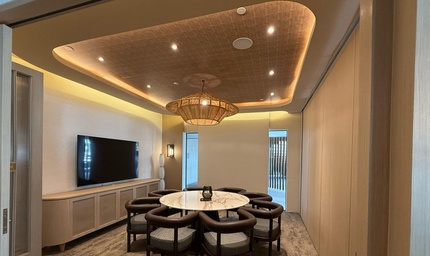
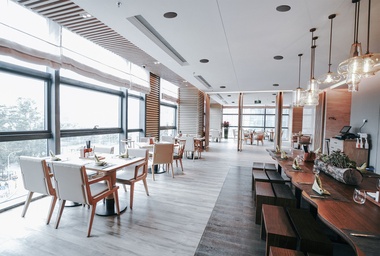
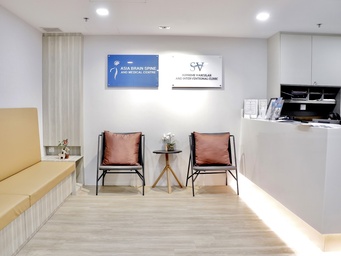
F&B Audio
Background music, zoned audio, and indoor-outdoor restaurant sound systems for dining areas, counters, private rooms, and alfresco seating.
Budget Planning
Understand what affects the cost of cafe sound systems, restaurant sound systems, retail sound systems, and business music systems in Singapore.
Atmosphere & Control
Tie commercial audio into lighting, mood control, and venue automation where atmosphere and timing matter.
A good commercial audio system is not just about putting more speakers in the ceiling. It is about getting the right sound coverage, the right zones, the right level of control for staff, and the right visual finish for the venue.
Whether the business needs a simple background music system, a cafe sound system, a retail store sound system, a bar sound system, or a larger distributed audio system, the planning should match the way the venue actually operates.
Avoid music that feels too loud in one zone and too weak in another. Proper planning helps create a comfortable and consistent atmosphere across the venue.
Different business areas often need different volume behaviour, separate controls, or different music logic across the day.
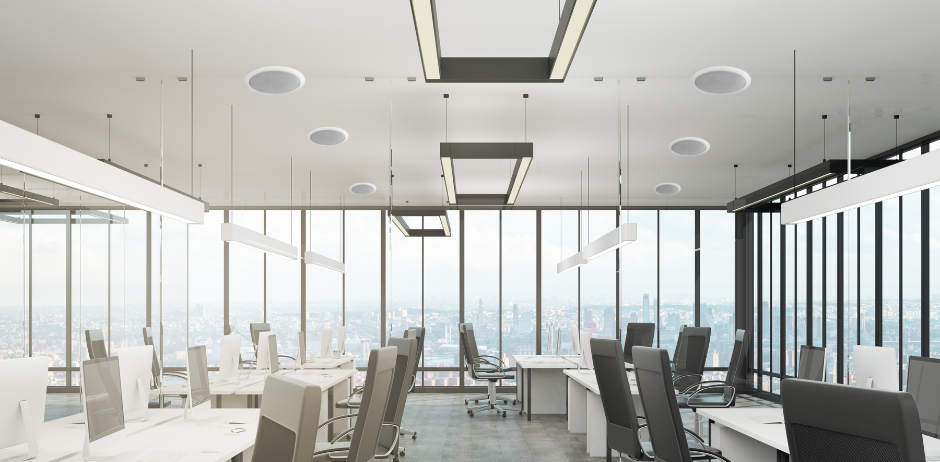
Speaker type and placement should support the interior instead of distracting from it. Good commercial speaker systems are both functional and visually considered.
Cafe sound systems with even background music for seating, counters, queue areas, and compact dining layouts.
Restaurant sound systems with independent control across dining rooms, private spaces, bar areas, and terraces.
Bar sound systems with separate control for daytime dining and stronger evening atmosphere.
Retail store sound systems with consistent music coverage and discreet speaker placement.
Commercial audio systems for reception spaces, waiting areas, and low-visual-impact background music.
Business music systems that work around reflective surfaces, dryer noise, and busy daily operation.
Music should not feel harsh in one area and too quiet in another.
Indoor-outdoor restaurant sound systems should let dining rooms, terraces, waiting areas, and service zones behave properly.
Staff should not need to fight with a complicated app or guess which controls affect which area.
Commercial speaker systems should support the venue’s design, not look like an afterthought.
Many venues need quieter daytime background music and a stronger evening atmosphere using the same system.
A commercial audio system should be planned properly if more zones, more speakers, or more outdoor areas may be added later.
1–2 Zones
Suitable for small cafés, compact clinics, salons, waiting areas, and smaller retail spaces.
4–6 Zones
Suitable for larger cafés, restaurants, bistro bars, and indoor-outdoor venue layouts.
Advanced Venue Design
Suitable for premium hospitality, retail, showrooms, and more demanding business environments.
Tell us about your venue type, floor plan, and operating style, and we can advise on zoning, speaker direction, paging needs, and budget range.
S$2,500 – S$3,500
For smaller cafés, compact restaurants, salons, small retail shops, and waiting areas.
S$15,000 – S$20,000
For larger cafés, restaurants, bistro bars, and venues with indoor and outdoor seating or multiple functional areas.
| System Type | Typical Budget | Usually Suitable For |
|---|---|---|
| 1–2 zone cafe / shop / waiting-area system | S$2,500 – S$3,500 | Small cafés, small retail units, salons, waiting areas |
| 4–6 zone restaurant / bar / indoor-outdoor system | S$15,000 – S$20,000 | Larger restaurants, bistro bars, indoor + outdoor venues |
Staff should be able to adjust the right area without affecting the whole venue.
Useful for lunch, dinner, quieter weekday periods, stronger evening atmosphere, or event mode.
Easy switching between background music, selected audio sources, and where needed, paging or announcements.
Best for cafés, clinics, salons, shops, and waiting areas where a cleaner ceiling look matters.
Useful where ceilings are difficult, noise levels are higher, or more directed sound is needed in open commercial spaces.
Suitable for alfresco dining, terraces, semi-outdoor seating, and indoor-outdoor restaurant sound systems.
The right speaker type depends on ceiling conditions, desired coverage, cleaning access, maintenance, and how discreet the installation needs to look.
Restaurants and cafés often need balanced background music across dining areas, counters, private rooms, and terraces. A properly planned restaurant sound system helps maintain atmosphere without overpowering conversation.
Bistro bars and lounge-style spaces often need softer daytime music and stronger evening energy. Proper zoned audio helps separate indoor and outdoor behaviour while avoiding harsh sound hotspots.
Retail store sound systems benefit from even coverage, discreet installation, and simple operation that supports the brand environment without visual clutter.
Clinics usually need a calmer reception and waiting-area environment with a neat, low-visual-impact finish. In some layouts, privacy, speech masking, and lower-intensity background music matter more than outright volume.
Salons can be surprisingly tricky because of reflective surfaces, dryer noise, and busy movement. Speaker placement and zone planning should be considered more carefully than in a simple retail box.
More Project Photos
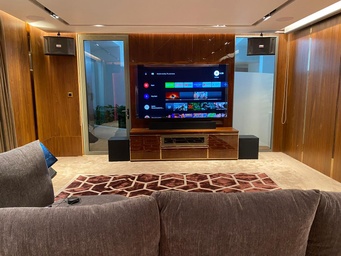
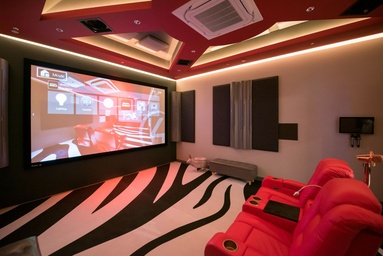
A zoned audio system should be planned around real business operation, not just a raw zone count. A venue may need softer daytime background music, stronger evening energy, separate indoor and outdoor control, or different behaviour for waiting, dining, bar, and private areas.
Lighter, more relaxed background music for daytime trading hours.
Stronger atmosphere for dinner, bar service, or busier operating periods.
Keep terraces, indoor dining, private areas, and other spaces comfortable without using one fixed level everywhere.
Some businesses need more than background music. A background music and paging system can help staff manage day-to-day operation more easily across larger or more segmented venues.
In suitable commercial environments, a music and announcement system can support both atmosphere and practical communication without needing separate audio setups for every area.
Brand Choice
For commercial projects, we do not treat every brand as interchangeable. We use Juke and Triad because they solve different parts of the job properly. Juke works well as the multi-zone amplification and streaming backend, while Triad gives us the speaker options, installation flexibility, and cleaner architectural finish needed for business spaces. Official Juke materials position its platform around 6 or 8 powered zones with app-based control and the ability to add more units on the same network, while Triad positions itself as a built-to-order custom speaker brand with a strong architectural and installation-led focus.
Juke is the practical choice when the client wants a straightforward commercial background music system with multiple zones, simple streaming, and easier day-to-day control. It is especially useful when the project needs a clean backend without overcomplicating how staff select music or control different areas.
Triad is where the speaker side gets stronger. It is a better fit when we need more choice in in-ceiling, on-wall, in-wall, or other custom-install speaker formats, especially in projects where sound coverage, visual neatness, and a more considered installation matter more than simply getting music out of the ceiling.
The honest answer is that Juke and Triad are usually stronger together than separately. Juke handles the multi-room backend, amplification, and control logic. Triad handles the speaker performance and architectural speaker choices. That gives us a more complete commercial audio system instead of forcing one brand to do everything.
| Comparison Point | Juke | Triad |
|---|---|---|
| Main role | Multi-zone streaming amplifier and control backend | Custom-install speaker brand for the audio output side |
| Best strength | Simple zone-based audio distribution and app control across multiple areas | Speaker variety, better architectural integration, and stronger install flexibility |
| Best fit for | Projects that need an easier backend for restaurants, cafés, clinics, salons, and retail spaces | Projects where speaker placement, finish, and sound coverage need more attention |
| Scalability | Well suited for 6 or 8 powered zones per unit, with more units added when more zones are needed | Works across different speaker types and room conditions instead of forcing one speaker format everywhere |
| Visible to the client | Mostly a backend/control decision | More visible in the finished installation because the speaker choice affects both sound and look |
| Why we choose it | When ease of use, cleaner zone control, and a simpler commercial audio backend matter most | When the project needs a more considered speaker solution instead of a generic speaker package |
Best way to sell it: Juke is not the same kind of brand decision as Triad. Juke is the backend and zone-control layer. Triad is the speaker and installation-quality layer. So for many commercial projects, the stronger answer is not “Juke or Triad” — it is Juke with Triad.
Why Choose Us
Some providers mainly sell equipment. We plan the system around how your venue actually operates — from sound coverage and zoning logic to cleaner installation, easier staff control, and better long-term usability.
| What Matters | HAP | Typical Generic Installer |
|---|---|---|
| System planning | Designed around venue use, zones, traffic flow, and day-to-night operation | Often based mainly on speaker count or a standard package |
| Sound coverage | Planned for balanced coverage and practical listening comfort | Can end up too loud in one area and too soft in another |
| Visual finish | Cleaner-looking speaker placement that respects the interior | More functional than design-led |
| Zone control | Planned around real staff usage, indoor-outdoor separation, and operating modes | Basic control without much thought to venue workflow |
| Future expansion | Scalable planning if more zones or outdoor areas are added later | Often designed only for the first install scope |
| Support pages & advice | Clear guidance across restaurant audio, sound system cost, and venue control | Usually a quote page with less planning detail |
Our difference: we do not just count speakers and quote equipment. We think about coverage, usability, aesthetics, indoor-outdoor zoning, and whether the system still makes sense when your business grows.
See our project portfolio, explore our restaurant sound system page, or review our commercial sound system cost guide.
We understand the venue type, layout, and intended atmosphere.
We work out the right audio zones, speaker approach, and control logic.
We propose a system direction and quotation based on your venue needs.
We install and tune the system for practical business operation.
We hand over the system with straightforward guidance for daily use.
A commercial sound system is an audio system designed for business use in cafés, restaurants, retail shops, bars, clinics, salons, and other commercial venues. It can include background music, zoned audio, paging, announcements, and indoor-outdoor speaker coverage.
A commercial multi-zone or zoned audio system lets different areas of a venue have separate volume levels, speaker groups, or music behaviour. This is useful for dining rooms, counters, terraces, waiting areas, private rooms, and other spaces that should not all sound the same.
Because they do different jobs well. Juke is strong for multi-zone amplification, streaming, and simpler day-to-day zone control, while Triad is stronger on the speaker side where installation flexibility, architectural integration, and speaker choice matter more.
Smaller cafés may only need 1–2 zones, while larger restaurants, bistro bars, or venues with private rooms and terraces may need 4–6 zones or more depending on layout and operating style.
Yes. A properly planned indoor-outdoor restaurant sound system can let indoor dining, outdoor seating, waiting areas, or private rooms run at different volume levels.
It depends on the ceiling type, noise level, maintenance needs, and how discreet the system needs to look. In-ceiling speakers are often preferred for cleaner aesthetics, while wall-mount speakers may suit louder or more open spaces better.
Yes. Depending on the business, a commercial sound system can be designed as a background music and paging system or as a music and announcement system for both daily operation and communication needs.
Yes. Commercial systems should be planned around simple day-to-day use, with straightforward source selection, zone control, and presets for different operating periods.
Smaller 1–2 zone systems may start from around S$2,500–S$3,500, while larger 4–6 zone systems may range around S$15,000–S$20,000, depending on speakers, amplification, control, site conditions, and installation scope.
No. The quoted price is for supply and installation only. It does not include wire pulling, additional cabling works, concealed wiring, trunking, hacking, reinstatement, or other site-specific electrical works unless otherwise stated. The final cost for wiring depends on the venue layout, ceiling condition, access, and installation complexity.
Yes. A well-planned commercial audio system can be designed with future expansion in mind, especially when additional zones or outdoor coverage may be added later.
Music licensing is separate from the audio system itself. Businesses should make sure they have the proper rights or licences for commercial music playback where required.
For cafés, restaurants, and F&B venues.
Budget guide for commercial sound systems.
Control mood, timing, and venue atmosphere.
See more completed system work and related projects.
Share your floor plan, venue type, and whether you need a simple 1–2 zone setup, a larger zoned audio system, or a branded commercial audio solution for your space.
Commercial Sound System • Background Music • BGM • Cafe Sound System • Restaurant Sound System • Zoned Audio • Singapore
HAP designs and installs commercial sound systems in Singapore for cafés, restaurants, bars, retail shops, clinics, salons, waiting areas, and lifestyle venues.
We plan background music systems, commercial speaker systems, zoned audio systems, and indoor-outdoor venue audio with even coverage, clean-looking speaker integration, practical zoning, and simple staff control.
Project Photos
F&B Audio
Background music, zoned audio, and indoor-outdoor restaurant sound systems for dining areas, counters, private rooms, and alfresco seating.
Budget Planning
Understand what affects the cost of cafe sound systems, restaurant sound systems, retail sound systems, and business music systems in Singapore.
Atmosphere & Control
Tie commercial audio into lighting, mood control, and venue automation where atmosphere and timing matter.
A good commercial audio system is not just about putting more speakers in the ceiling. It is about getting the right sound coverage, the right zones, the right level of control for staff, and the right visual finish for the venue.
Whether the business needs a simple background music system, a cafe sound system, a retail store sound system, a bar sound system, or a larger distributed audio system, the planning should match the way the venue actually operates.
Avoid music that feels too loud in one zone and too weak in another. Proper planning helps create a comfortable and consistent atmosphere across the venue.
Different business areas often need different volume behaviour, separate controls, or different music logic across the day.
Speaker type and placement should support the interior instead of distracting from it. Good commercial speaker systems are both functional and visually considered.
Cafe sound systems with even background music for seating, counters, queue areas, and compact dining layouts.
Restaurant sound systems with independent control across dining rooms, private spaces, bar areas, and terraces.
Bar sound systems with separate control for daytime dining and stronger evening atmosphere.
Retail store sound systems with consistent music coverage and discreet speaker placement.
Commercial audio systems for reception spaces, waiting areas, and low-visual-impact background music.
Business music systems that work around reflective surfaces, dryer noise, and busy daily operation.
Music should not feel harsh in one area and too quiet in another.
Indoor-outdoor restaurant sound systems should let dining rooms, terraces, waiting areas, and service zones behave properly.
Staff should not need to fight with a complicated app or guess which controls affect which area.
Commercial speaker systems should support the venue’s design, not look like an afterthought.
Many venues need quieter daytime background music and a stronger evening atmosphere using the same system.
A commercial audio system should be planned properly if more zones, more speakers, or more outdoor areas may be added later.
1–2 Zones
Suitable for small cafés, compact clinics, salons, waiting areas, and smaller retail spaces.
4–6 Zones
Suitable for larger cafés, restaurants, bistro bars, and indoor-outdoor venue layouts.
Advanced Venue Design
Suitable for premium hospitality, retail, showrooms, and more demanding business environments.
Tell us about your venue type, floor plan, and operating style, and we can advise on zoning, speaker direction, paging needs, and budget range.
S$2,500 – S$3,500
For smaller cafés, compact restaurants, salons, small retail shops, and waiting areas.
S$15,000 – S$20,000
For larger cafés, restaurants, bistro bars, and venues with indoor and outdoor seating or multiple functional areas.
| System Type | Typical Budget | Usually Suitable For |
|---|---|---|
| 1–2 zone cafe / shop / waiting-area system | S$2,500 – S$3,500 | Small cafés, small retail units, salons, waiting areas |
| 4–6 zone restaurant / bar / indoor-outdoor system | S$15,000 – S$20,000 | Larger restaurants, bistro bars, indoor + outdoor venues |
Staff should be able to adjust the right area without affecting the whole venue.
Useful for lunch, dinner, quieter weekday periods, stronger evening atmosphere, or event mode.
Easy switching between background music, selected audio sources, and where needed, paging or announcements.
Best for cafés, clinics, salons, shops, and waiting areas where a cleaner ceiling look matters.
Useful where ceilings are difficult, noise levels are higher, or more directed sound is needed in open commercial spaces.
Suitable for alfresco dining, terraces, semi-outdoor seating, and indoor-outdoor restaurant sound systems.
The right speaker type depends on ceiling conditions, desired coverage, cleaning access, maintenance, and how discreet the installation needs to look.
Restaurants and cafés often need balanced background music across dining areas, counters, private rooms, and terraces. A properly planned restaurant sound system helps maintain atmosphere without overpowering conversation.
Bistro bars and lounge-style spaces often need softer daytime music and stronger evening energy. Proper zoned audio helps separate indoor and outdoor behaviour while avoiding harsh sound hotspots.
Retail store sound systems benefit from even coverage, discreet installation, and simple operation that supports the brand environment without visual clutter.
Clinics usually need a calmer reception and waiting-area environment with a neat, low-visual-impact finish. In some layouts, privacy, speech masking, and lower-intensity background music matter more than outright volume.
Salons can be surprisingly tricky because of reflective surfaces, dryer noise, and busy movement. Speaker placement and zone planning should be considered more carefully than in a simple retail box.
More Project Photos
A zoned audio system should be planned around real business operation, not just a raw zone count. A venue may need softer daytime background music, stronger evening energy, separate indoor and outdoor control, or different behaviour for waiting, dining, bar, and private areas.
Lighter, more relaxed background music for daytime trading hours.
Stronger atmosphere for dinner, bar service, or busier operating periods.
Keep terraces, indoor dining, private areas, and other spaces comfortable without using one fixed level everywhere.
Some businesses need more than background music. A background music and paging system can help staff manage day-to-day operation more easily across larger or more segmented venues.
In suitable commercial environments, a music and announcement system can support both atmosphere and practical communication without needing separate audio setups for every area.
Brand Choice
For commercial projects, we do not treat every brand as interchangeable. We use Juke and Triad because they solve different parts of the job properly. Juke works well as the multi-zone amplification and streaming backend, while Triad gives us the speaker options, installation flexibility, and cleaner architectural finish needed for business spaces. Official Juke materials position its platform around 6 or 8 powered zones with app-based control and the ability to add more units on the same network, while Triad positions itself as a built-to-order custom speaker brand with a strong architectural and installation-led focus.
Juke is the practical choice when the client wants a straightforward commercial background music system with multiple zones, simple streaming, and easier day-to-day control. It is especially useful when the project needs a clean backend without overcomplicating how staff select music or control different areas.
Triad is where the speaker side gets stronger. It is a better fit when we need more choice in in-ceiling, on-wall, in-wall, or other custom-install speaker formats, especially in projects where sound coverage, visual neatness, and a more considered installation matter more than simply getting music out of the ceiling.
The honest answer is that Juke and Triad are usually stronger together than separately. Juke handles the multi-room backend, amplification, and control logic. Triad handles the speaker performance and architectural speaker choices. That gives us a more complete commercial audio system instead of forcing one brand to do everything.
| Comparison Point | Juke | Triad |
|---|---|---|
| Main role | Multi-zone streaming amplifier and control backend | Custom-install speaker brand for the audio output side |
| Best strength | Simple zone-based audio distribution and app control across multiple areas | Speaker variety, better architectural integration, and stronger install flexibility |
| Best fit for | Projects that need an easier backend for restaurants, cafés, clinics, salons, and retail spaces | Projects where speaker placement, finish, and sound coverage need more attention |
| Scalability | Well suited for 6 or 8 powered zones per unit, with more units added when more zones are needed | Works across different speaker types and room conditions instead of forcing one speaker format everywhere |
| Visible to the client | Mostly a backend/control decision | More visible in the finished installation because the speaker choice affects both sound and look |
| Why we choose it | When ease of use, cleaner zone control, and a simpler commercial audio backend matter most | When the project needs a more considered speaker solution instead of a generic speaker package |
Best way to sell it: Juke is not the same kind of brand decision as Triad. Juke is the backend and zone-control layer. Triad is the speaker and installation-quality layer. So for many commercial projects, the stronger answer is not “Juke or Triad” — it is Juke with Triad.
Why Choose Us
Some providers mainly sell equipment. We plan the system around how your venue actually operates — from sound coverage and zoning logic to cleaner installation, easier staff control, and better long-term usability.
| What Matters | HAP | Typical Generic Installer |
|---|---|---|
| System planning | Designed around venue use, zones, traffic flow, and day-to-night operation | Often based mainly on speaker count or a standard package |
| Sound coverage | Planned for balanced coverage and practical listening comfort | Can end up too loud in one area and too soft in another |
| Visual finish | Cleaner-looking speaker placement that respects the interior | More functional than design-led |
| Zone control | Planned around real staff usage, indoor-outdoor separation, and operating modes | Basic control without much thought to venue workflow |
| Future expansion | Scalable planning if more zones or outdoor areas are added later | Often designed only for the first install scope |
| Support pages & advice | Clear guidance across restaurant audio, sound system cost, and venue control | Usually a quote page with less planning detail |
Our difference: we do not just count speakers and quote equipment. We think about coverage, usability, aesthetics, indoor-outdoor zoning, and whether the system still makes sense when your business grows.
See our project portfolio, explore our restaurant sound system page, or review our commercial sound system cost guide.
We understand the venue type, layout, and intended atmosphere.
We work out the right audio zones, speaker approach, and control logic.
We propose a system direction and quotation based on your venue needs.
We install and tune the system for practical business operation.
We hand over the system with straightforward guidance for daily use.
A commercial sound system is an audio system designed for business use in cafés, restaurants, retail shops, bars, clinics, salons, and other commercial venues. It can include background music, zoned audio, paging, announcements, and indoor-outdoor speaker coverage.
A commercial multi-zone or zoned audio system lets different areas of a venue have separate volume levels, speaker groups, or music behaviour. This is useful for dining rooms, counters, terraces, waiting areas, private rooms, and other spaces that should not all sound the same.
Because they do different jobs well. Juke is strong for multi-zone amplification, streaming, and simpler day-to-day zone control, while Triad is stronger on the speaker side where installation flexibility, architectural integration, and speaker choice matter more.
Smaller cafés may only need 1–2 zones, while larger restaurants, bistro bars, or venues with private rooms and terraces may need 4–6 zones or more depending on layout and operating style.
Yes. A properly planned indoor-outdoor restaurant sound system can let indoor dining, outdoor seating, waiting areas, or private rooms run at different volume levels.
It depends on the ceiling type, noise level, maintenance needs, and how discreet the system needs to look. In-ceiling speakers are often preferred for cleaner aesthetics, while wall-mount speakers may suit louder or more open spaces better.
Yes. Depending on the business, a commercial sound system can be designed as a background music and paging system or as a music and announcement system for both daily operation and communication needs.
Yes. Commercial systems should be planned around simple day-to-day use, with straightforward source selection, zone control, and presets for different operating periods.
Smaller 1–2 zone systems may start from around S$2,500–S$3,500, while larger 4–6 zone systems may range around S$15,000–S$20,000, depending on speakers, amplification, control, site conditions, and installation scope.
No. The quoted price is for supply and installation only. It does not include wire pulling, additional cabling works, concealed wiring, trunking, hacking, reinstatement, or other site-specific electrical works unless otherwise stated. The final cost for wiring depends on the venue layout, ceiling condition, access, and installation complexity.
Yes. A well-planned commercial audio system can be designed with future expansion in mind, especially when additional zones or outdoor coverage may be added later.
Music licensing is separate from the audio system itself. Businesses should make sure they have the proper rights or licences for commercial music playback where required.
For cafés, restaurants, and F&B venues.
Budget guide for commercial sound systems.
Control mood, timing, and venue atmosphere.
See more completed system work and related projects.
Share your floor plan, venue type, and whether you need a simple 1–2 zone setup, a larger zoned audio system, or a branded commercial audio solution for your space.