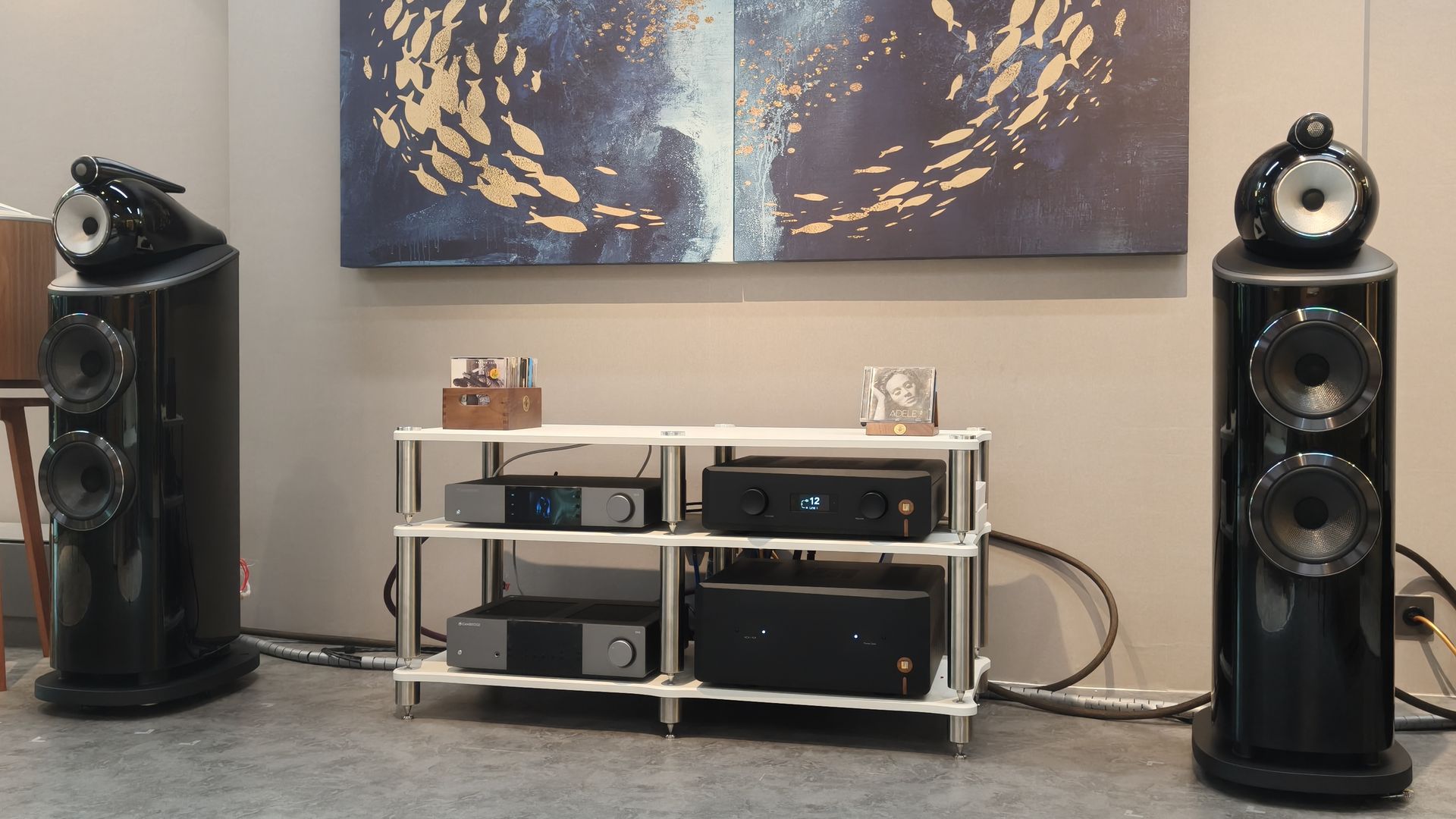
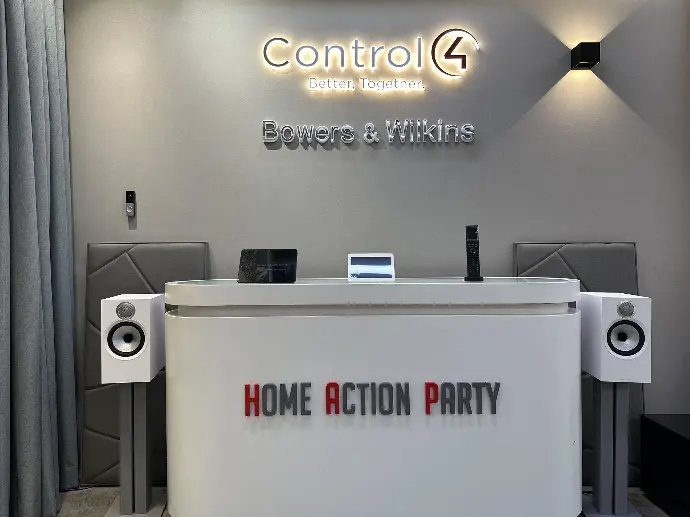

Hear 600, 700 and premium directions with context
Instead of guessing from a product grid, you can hear how different Bowers & Wilkins setups scale in a real room and understand what changes as you move up the range.
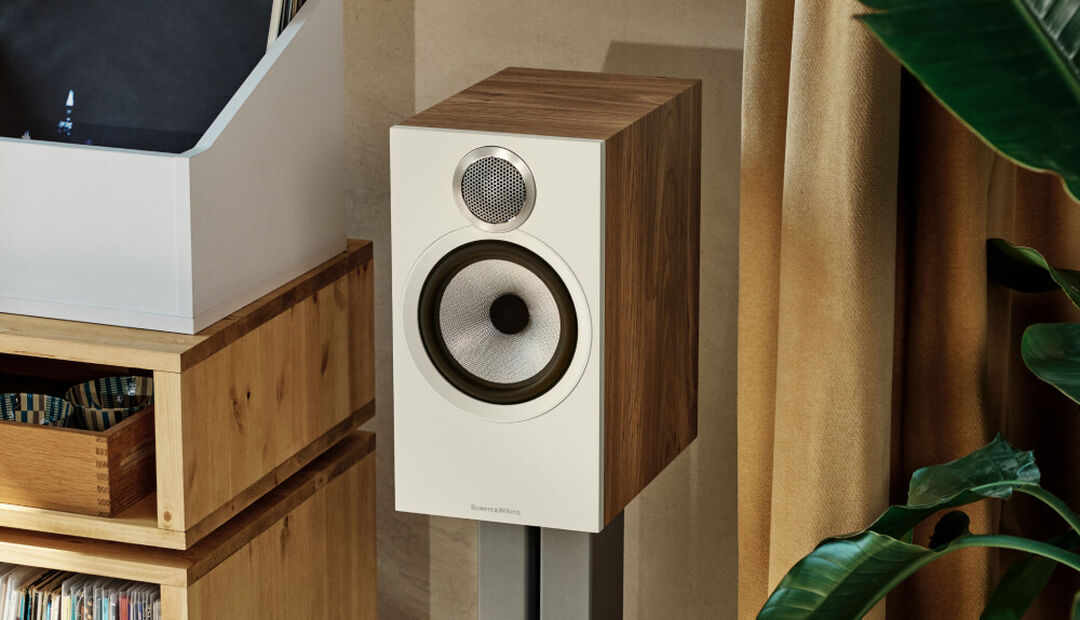
Choosing the right Bowers & Wilkins speakers in Singapore is not just about buying the biggest model. It is about matching the series, room size, listening habits and upgrade path to the way you actually live. This guide helps you choose between 600, 700 and 800 Series directions for stereo, home theatre and real Singapore homes before you commit.
A strong Bowers & Wilkins system should feel balanced, believable and effortless in the space you use every day. That is why the better question is not “Which is the most expensive?” but “Which one is actually right for this room?”
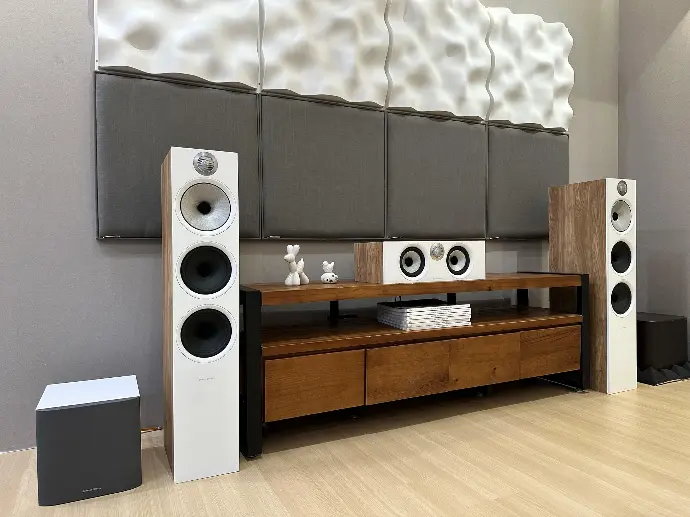
Real Bowers & Wilkins surround setup at HAP’s Singapore
showroom
Most retailer pages stop at products and prices. The real decision usually needs more than that. HAP helps buyers compare speaker series properly, match them to the room, and plan whether the better route is stereo, home theatre or a staged upgrade path.
Instead of guessing from a product grid, you can hear how different Bowers & Wilkins setups scale in a real room and understand what changes as you move up the range.
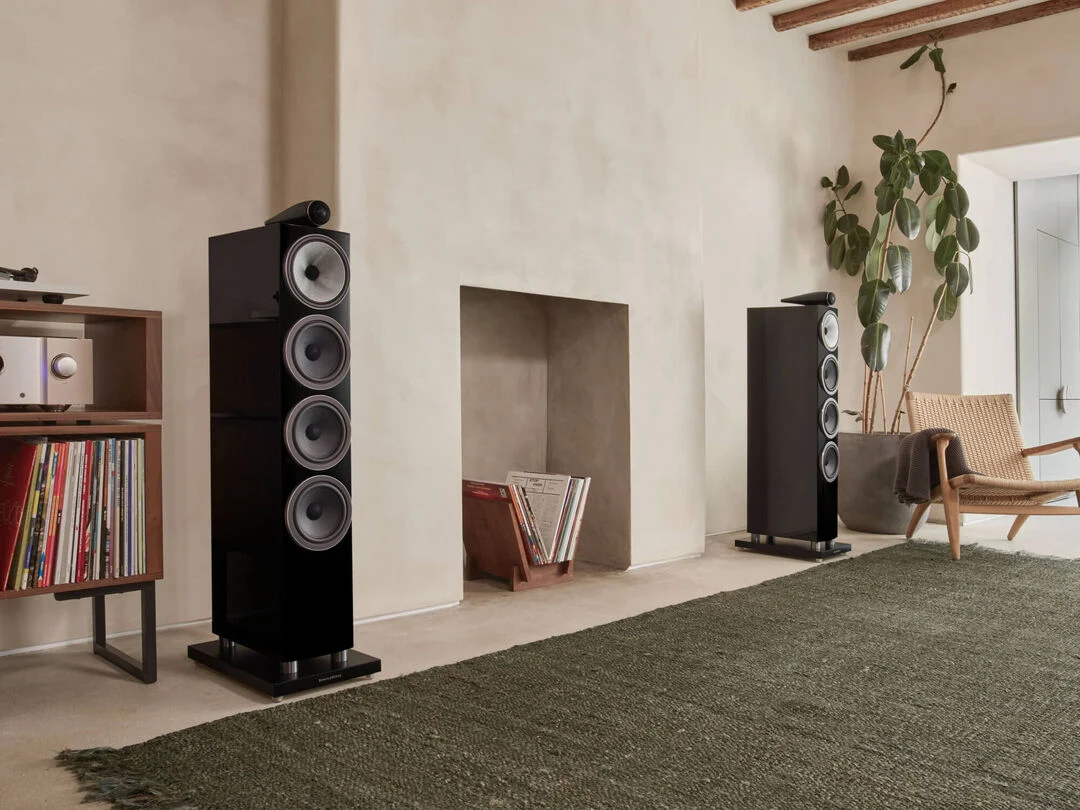
The better setup is the one that fits your room, furniture layout and day-to-day listening habits. This matters just as much as the speaker model itself.
Some buyers are happier starting with a stronger two-channel setup. Others should plan a full movie-first system from the beginning. The page should help separate those paths clearly.
The goal is simple: make it easier to shortlist the right direction online, then confirm it quickly with a focused showroom visit at HAP.
Most buyers do not struggle because the speakers are bad. They struggle because the setup is mismatched to the room, the priorities are unclear, or the system is chosen too quickly from a product list. The right choice usually comes down to four things: room size, listening distance, music versus movies, and how far you want the system to grow over time.
A smaller living room can sound far better with a properly matched bookshelf setup than with a large speaker that overloads the space. A larger open-plan room may need more scale and authority to sound convincing. The point is not to buy less. The point is to buy right.
If your room is mainly for music, a strong two-channel setup often gives more satisfaction than stretching the budget across too many speakers too early. If films, dialogue clarity and surround immersion matter more, then the structure of the theatre system matters just as much as the front speakers themselves.
A good system does not have to be built all at once. Many buyers start with a serious stereo setup, then expand into a centre speaker, surrounds or a subwoofer later. Choosing the right range from the beginning makes that path easier and cleaner.
The difference between these ranges is not just price. It is the way they scale with the room, the level of refinement they deliver, and the kind of system they are best suited to anchor.
The 600 Series is a strong entry into serious listening. It makes sense for buyers who want clean, engaging performance without jumping straight into a large or highly ambitious setup.
The 700 Series is where many premium living rooms start to feel complete. It gives you more scale, more ease and a more refined presentation without forcing you into a full flagship commitment.
800 Series • Flagship performance for destination systems
The 800 Series is for buyers who want a statement result and are prepared to give the room, electronics and setup the attention they deserve. This is where every part of the chain matters more.
These are not rigid rules. They are the most common directions that make sense once room size, usage and long-term plans are taken into account.
Best for buyers who want strong stereo performance, clean aesthetics and a smaller visual footprint. This is where a well-matched bookshelf setup often makes more sense than chasing tower speakers too early.
Best for people who want a room that does both music and movies properly. This is where the 700 Series often becomes the sweet spot because it gives scale and sophistication without becoming excessive for daily use.
Best for households where cinematic impact and dialogue clarity matter more than pure two-channel focus. In this setup, speaker matching, centre channel quality and room planning all matter more than simply choosing the biggest pair of fronts.
This route is for buyers who already know they want a true destination system. It suits larger rooms and more demanding listening goals, but only when placement, electronics and room behaviour are considered seriously. A flagship speaker deserves a room and supporting chain that can let it breathe.
This is where the choice becomes clearer. Most buyers are not choosing between “good” and “bad.” They are choosing between different strengths, trade-offs and priorities.
Bookshelf speakers often make more sense when the room is tighter, the seating distance is moderate, or the overall look needs to stay lighter. Floorstanders earn their place when the room needs more scale, body and effortless authority.
A music-first buyer is often better served by a stronger two-channel system than by a diluted multi-speaker package. A movie-first buyer may care more about centre-channel clarity, dialogue presence and the sense of envelopment across the room.
Condo buyers usually need to think more carefully about footprint, reflections, seating distance and day-to-day listening volume. Larger landed spaces can justify more scale, but only when the system is planned to work with the room instead of fighting it.
A showroom visit should not just be about hearing which one sounds louder. It should help you understand which speaker feels more believable, more natural and more suited to the room you are planning around.
Bigger is not always better, but some speakers fill a room more effortlessly than others. Pay attention to whether the system sounds relaxed and complete at normal listening levels, not just when it is played louder.
Voices tell you a lot. If vocals feel natural, stable and easy to follow, you are usually on the right track. If they sound thin, forced or strangely detached, the setup may not be the right match.
A polished demo environment can flatter almost any system. The better question is how the setup will translate into your actual home, furniture layout and listening habits. That is where proper guidance matters.
This guide should not be the end of the journey. It should help you move into the right next page depending on whether you want to compare, browse or plan a full system.
If you are narrowing the choice between series, the next step is to hear the differences properly and understand what fits your room best.
If you already know the direction you want, move into the brand category page to browse relevant models and continue shortlisting.
If films are a major priority, continue into the home theatre path so the room, channel layout and equipment are planned together.
These questions tend to come up when a buyer is close to choosing between a sensible premium setup and a setup that is simply too much or too little for the room.
Reading gets you closer, but hearing the differences settles the decision properly. If you want to understand which Bowers & Wilkins series suits your room, listening habits and long-term goals, the best next step is to compare them with the right guidance.
Choosing the right Bowers & Wilkins speakers in Singapore is not just about buying the biggest model. It is about matching the series, room size, listening habits and upgrade path to the way you actually live. This guide helps you choose between 600, 700 and 800 Series directions for stereo, home theatre and real Singapore homes before you commit.
A strong Bowers & Wilkins system should feel balanced, believable and effortless in the space you use every day. That is why the better question is not “Which is the most expensive?” but “Which one is actually right for this room?”
Real Bowers & Wilkins surround setup at HAP’s Singapore
showroom
Most retailer pages stop at products and prices. The real decision usually needs more than that. HAP helps buyers compare speaker series properly, match them to the room, and plan whether the better route is stereo, home theatre or a staged upgrade path.
Instead of guessing from a product grid, you can hear how different Bowers & Wilkins setups scale in a real room and understand what changes as you move up the range.
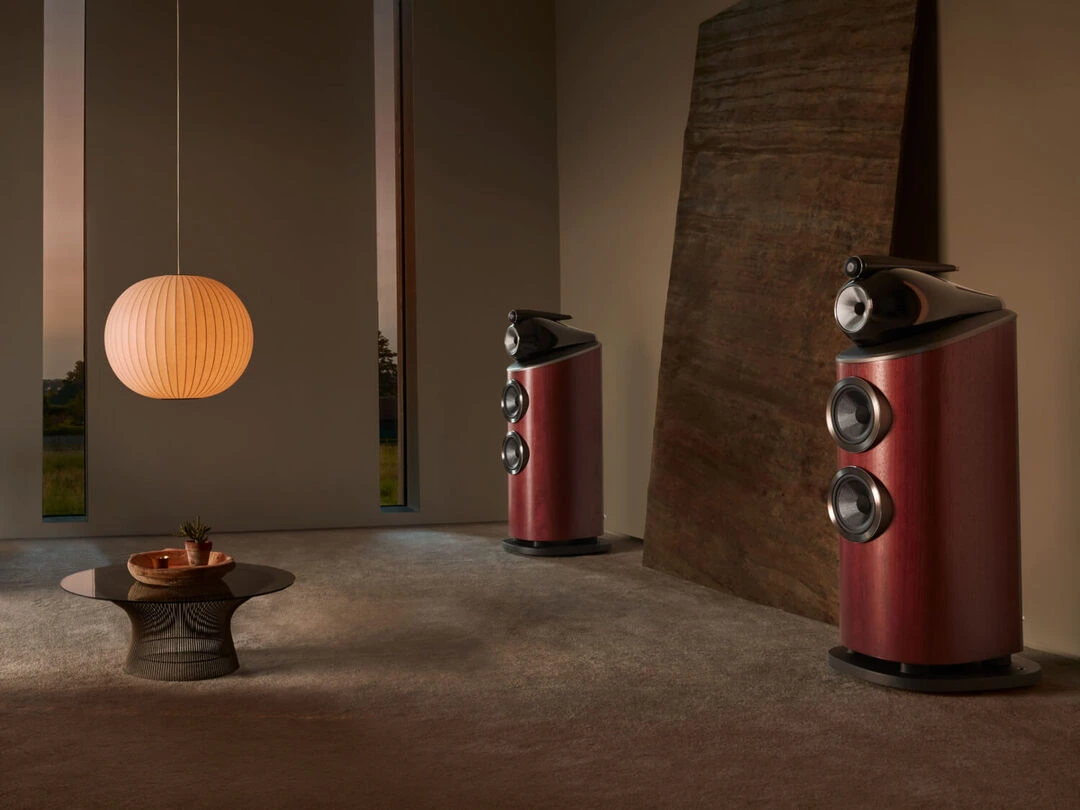
The better setup is the one that fits your room, furniture layout and day-to-day listening habits. This matters just as much as the speaker model itself.
Some buyers are happier starting with a stronger two-channel setup. Others should plan a full movie-first system from the beginning. The page should help separate those paths clearly.
The goal is simple: make it easier to shortlist the right direction online, then confirm it quickly with a focused showroom visit at HAP.
Most buyers do not struggle because the speakers are bad. They struggle because the setup is mismatched to the room, the priorities are unclear, or the system is chosen too quickly from a product list. The right choice usually comes down to four things: room size, listening distance, music versus movies, and how far you want the system to grow over time.
A smaller living room can sound far better with a properly matched bookshelf setup than with a large speaker that overloads the space. A larger open-plan room may need more scale and authority to sound convincing. The point is not to buy less. The point is to buy right.
If your room is mainly for music, a strong two-channel setup often gives more satisfaction than stretching the budget across too many speakers too early. If films, dialogue clarity and surround immersion matter more, then the structure of the theatre system matters just as much as the front speakers themselves.
A good system does not have to be built all at once. Many buyers start with a serious stereo setup, then expand into a centre speaker, surrounds or a subwoofer later. Choosing the right range from the beginning makes that path easier and cleaner.
The difference between these ranges is not just price. It is the way they scale with the room, the level of refinement they deliver, and the kind of system they are best suited to anchor.
The 600 Series is a strong entry into serious listening. It makes sense for buyers who want clean, engaging performance without jumping straight into a large or highly ambitious setup.
The 700 Series is where many premium living rooms start to feel complete. It gives you more scale, more ease and a more refined presentation without forcing you into a full flagship commitment.
800 Series • Flagship performance for destination systems
The 800 Series is for buyers who want a statement result and are prepared to give the room, electronics and setup the attention they deserve. This is where every part of the chain matters more.
These are not rigid rules. They are the most common directions that make sense once room size, usage and long-term plans are taken into account.
Best for buyers who want strong stereo performance, clean aesthetics and a smaller visual footprint. This is where a well-matched bookshelf setup often makes more sense than chasing tower speakers too early.
Best for people who want a room that does both music and movies properly. This is where the 700 Series often becomes the sweet spot because it gives scale and sophistication without becoming excessive for daily use.
Best for households where cinematic impact and dialogue clarity matter more than pure two-channel focus. In this setup, speaker matching, centre channel quality and room planning all matter more than simply choosing the biggest pair of fronts.
This route is for buyers who already know they want a true destination system. It suits larger rooms and more demanding listening goals, but only when placement, electronics and room behaviour are considered seriously. A flagship speaker deserves a room and supporting chain that can let it breathe.
This is where the choice becomes clearer. Most buyers are not choosing between “good” and “bad.” They are choosing between different strengths, trade-offs and priorities.
Bookshelf speakers often make more sense when the room is tighter, the seating distance is moderate, or the overall look needs to stay lighter. Floorstanders earn their place when the room needs more scale, body and effortless authority.
A music-first buyer is often better served by a stronger two-channel system than by a diluted multi-speaker package. A movie-first buyer may care more about centre-channel clarity, dialogue presence and the sense of envelopment across the room.
Condo buyers usually need to think more carefully about footprint, reflections, seating distance and day-to-day listening volume. Larger landed spaces can justify more scale, but only when the system is planned to work with the room instead of fighting it.
A showroom visit should not just be about hearing which one sounds louder. It should help you understand which speaker feels more believable, more natural and more suited to the room you are planning around.
Bigger is not always better, but some speakers fill a room more effortlessly than others. Pay attention to whether the system sounds relaxed and complete at normal listening levels, not just when it is played louder.
Voices tell you a lot. If vocals feel natural, stable and easy to follow, you are usually on the right track. If they sound thin, forced or strangely detached, the setup may not be the right match.
A polished demo environment can flatter almost any system. The better question is how the setup will translate into your actual home, furniture layout and listening habits. That is where proper guidance matters.
This guide should not be the end of the journey. It should help you move into the right next page depending on whether you want to compare, browse or plan a full system.
If you are narrowing the choice between series, the next step is to hear the differences properly and understand what fits your room best.
If you already know the direction you want, move into the brand category page to browse relevant models and continue shortlisting.
If films are a major priority, continue into the home theatre path so the room, channel layout and equipment are planned together.
These questions tend to come up when a buyer is close to choosing between a sensible premium setup and a setup that is simply too much or too little for the room.
Reading gets you closer, but hearing the differences settles the decision properly. If you want to understand which Bowers & Wilkins series suits your room, listening habits and long-term goals, the best next step is to compare them with the right guidance.