Stereo & Streaming
For customers adding network streaming, choosing an integrated amplifier, or building a focused two-channel system with fewer separate components.
DS200 · MSA5500 · MA12000
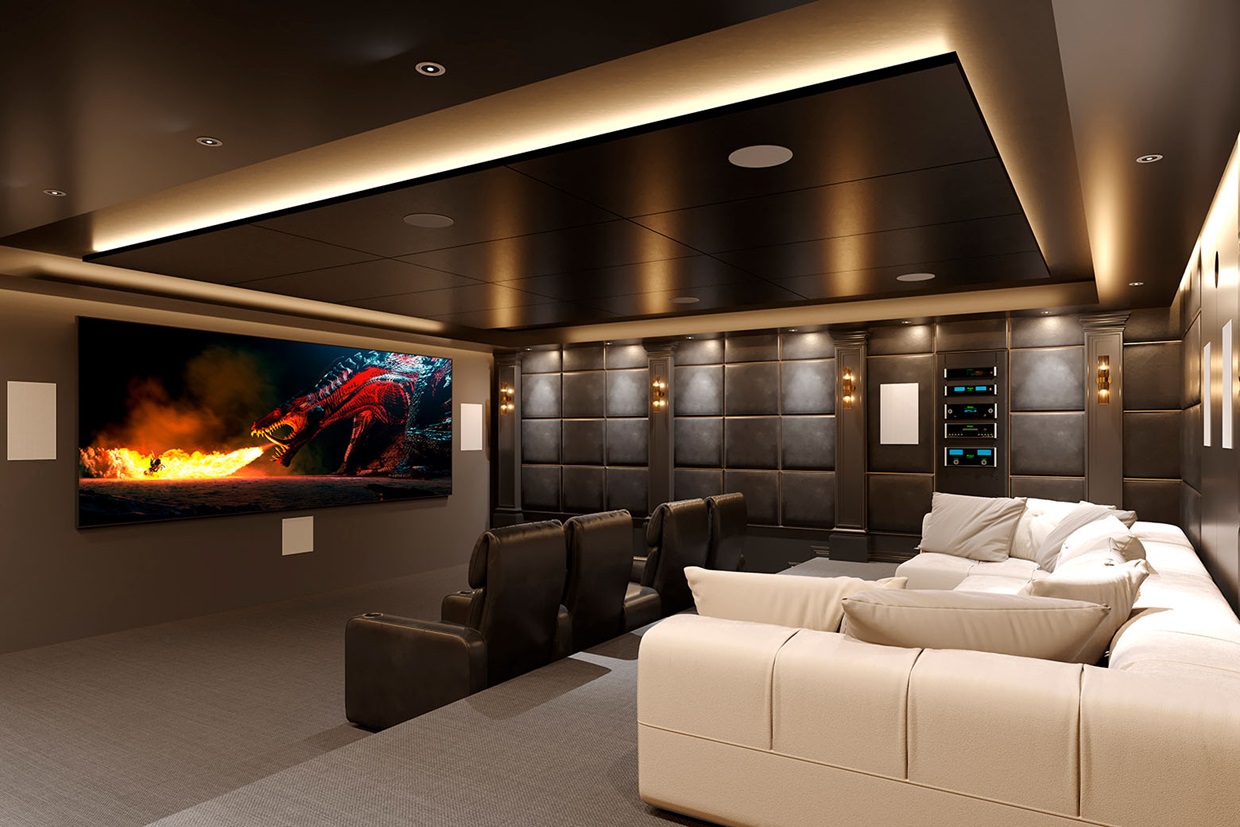
Plan a McIntosh home theater or private cinema around the complete room — from speaker layout and processing to amplification, equipment space, wiring, networking and smart-home integration.
HAP's current McIntosh range spans streaming and integrated stereo, separate preamplification and power amplification, plus home-theatre and custom-install components. This gives McIntosh Singapore buyers several system directions before the exact room, speakers and project requirements are considered.
For customers adding network streaming, choosing an integrated amplifier, or building a focused two-channel system with fewer separate components.
For McIntosh systems built around a dedicated preamplifier and power amplifier, with a more modular signal chain and upgrade path.
For receiver-based cinemas, processor-based private theatres and multichannel amplification within a wider residential AV system.
McIntosh home theater planning works best when the room, speaker layout, processor or receiver, amplification, sources and infrastructure are considered together. These six decisions shape how the cinema performs, integrates with the home and remains serviceable over time.
Room size, seating position and speaker placement shape coverage, bass behaviour and the overall home cinema experience.
Build a McIntosh amplifier Singapore shortlist around the speaker layout, room scale and cinema goals, not specifications alone.
Decide how television, streaming devices, media sources and other playback equipment will connect before choosing the home theater architecture.
Plan the network and control layer so the McIntosh home cinema experience stays reliable when AV, streaming and wider smart-home functions meet.
Premium home theater installations need practical airflow, clean cable routing and service access behind finished cabinetry or equipment racks.
Plan McIntosh home cinema Singapore and music-system wiring before walls and carpentry close wherever possible.
McIntosh Singapore buyers often begin with the brand itself. The useful answer is not a long history lesson; it is understanding why McIntosh remains relevant when planning a complete home theater, private cinema or high-end audio Singapore system.
Explore HAP's McIntosh range below.
McIntosh is associated with substantial construction and a long-standing focus on premium home-audio electronics.
Amplification is central to the McIntosh identity, making the amplifier or pre-power chain a natural foundation for many McIntosh audio Singapore systems.
The black-glass appearance and recognisable blue output meters give McIntosh components a visual presence that can become part of the room itself.
The range spans two-channel listening and home-theatre applications, so the correct system direction depends on whether music, movies or both are the priority.
McIntosh system design is most useful when electronics, speakers, sources, room conditions and control are considered as one connected experience.
In McIntosh Singapore planning, the better question is how you want the system to work day to day. McIntosh home audio and McIntosh home cinema Singapore can serve different priorities even when they share the same room.

For music, the front stage and room relationship come first.
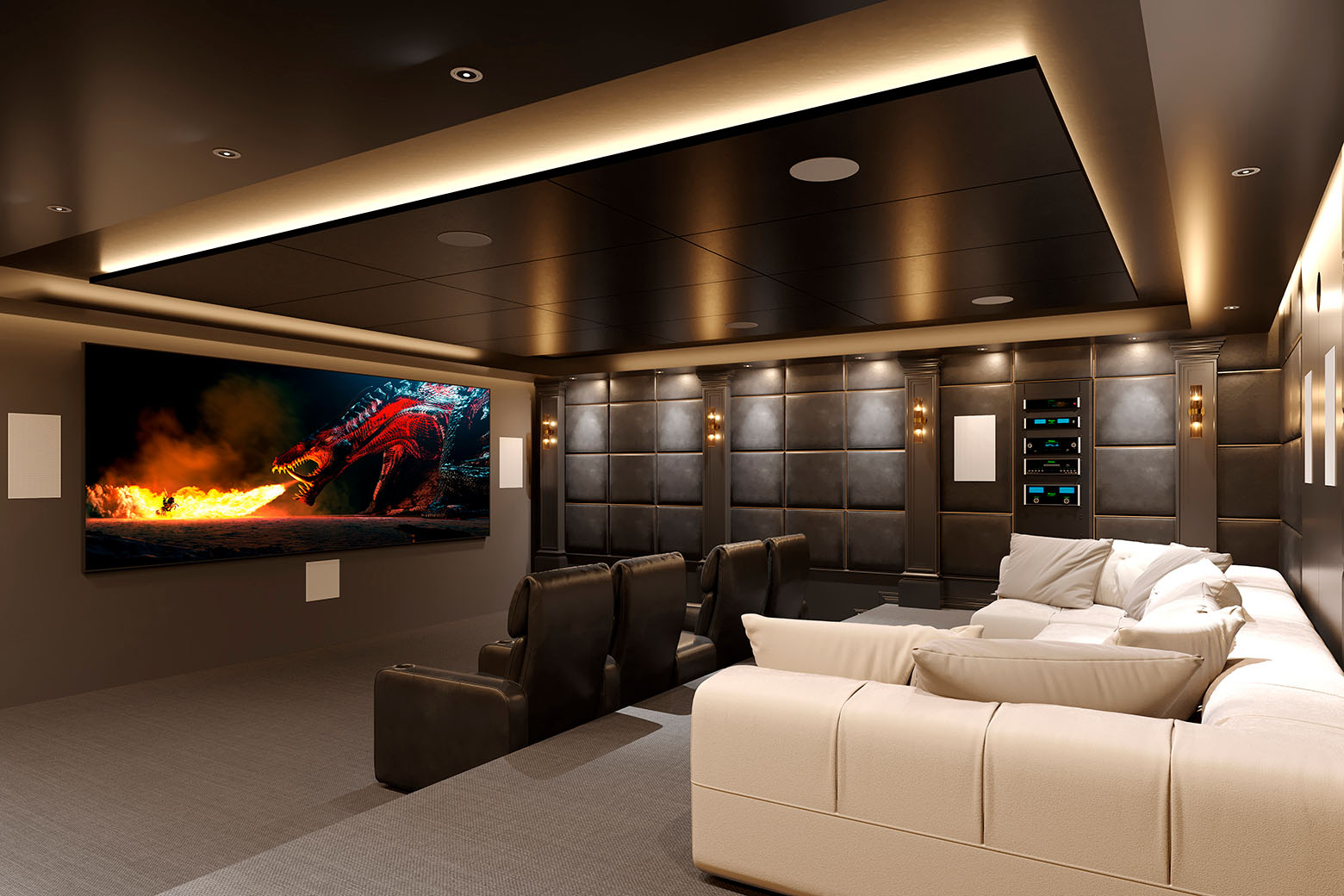
For home theatre, the full room geometry becomes part of the design.
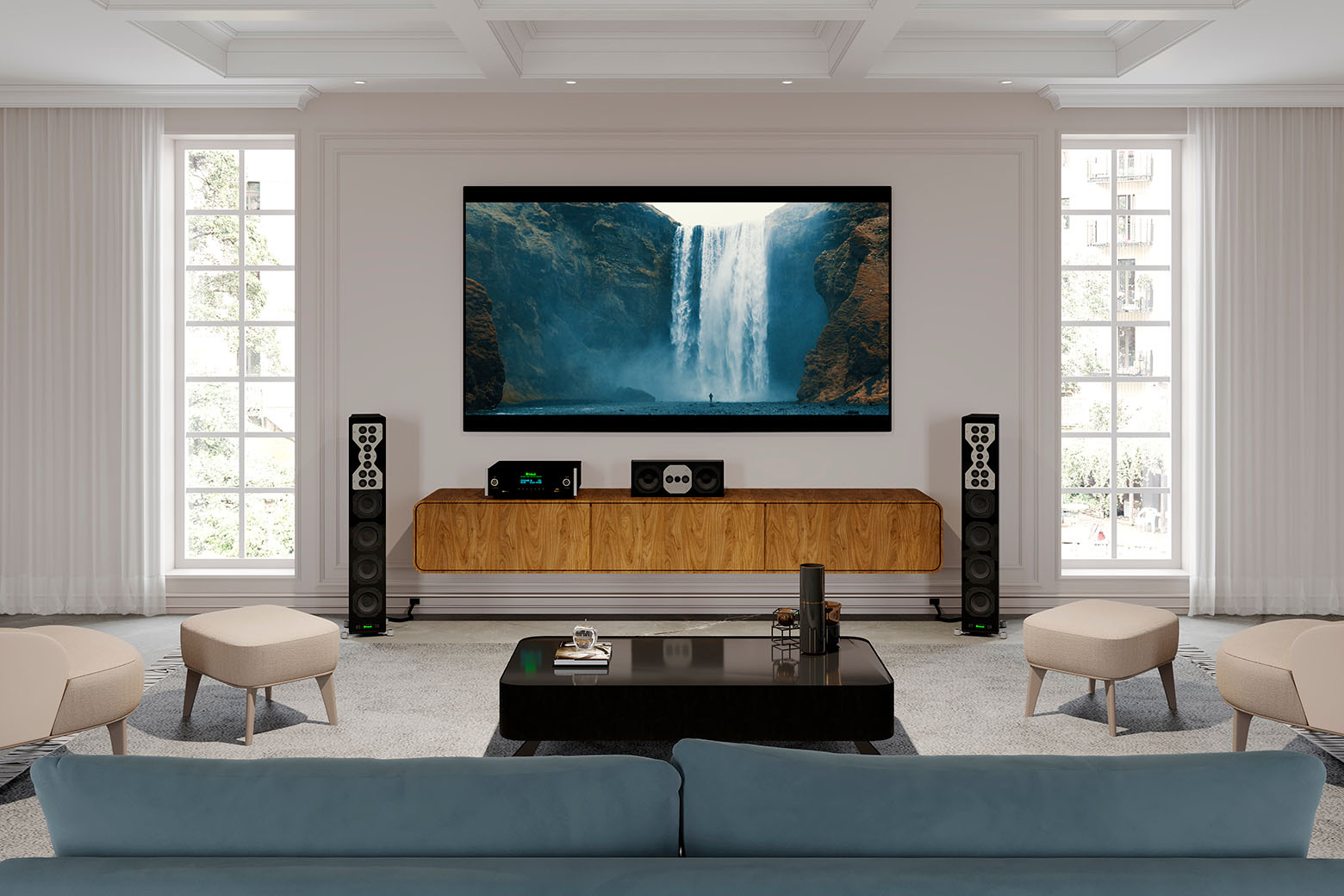
A combined system can work well when the priorities are separated into layers. Music can remain the reference for the front stage while surround capability is added around it without making everyday listening unnecessarily complicated.
The exact architecture should be chosen around the room, speakers and the way the household will actually use the system.
When homeowners search for McIntosh Singapore, they often need a clear route through the options without turning the decision into a product catalogue. Start with the system direction first, then shortlist the right components.

An integrated approach suits listeners who want a focused music system with a more compact footprint and a straightforward user experience. It can be a strong starting path for premium Hi-Fi Singapore projects.

Separate preamplifier and power-amplifier components offer a more modular route when you expect source changes, amplifier upgrades or a more substantial long-term system.

This direction keeps stereo music as the foundation while allowing television and everyday entertainment to share the same front speakers and control experience.

For high-end home theatre Singapore projects, plan channel layout, bass strategy, processing, amplification, equipment space and cable routes as one room-wide system.
Use these products as starting points rather than a one-size-fits-all catalogue. The right shortlist depends on whether you need streaming, integrated amplification, stereo separates or a multichannel home-cinema architecture.
For streaming, digital-source integration and complete two-channel systems with fewer separate components.

McIntosh DS200 Streaming DAC
A digital source component for adding streaming and digital conversion to a stereo system.
McIntosh MSA5500 2-Channel Streaming Integrated Amplifier
An integrated stereo direction that combines streaming, system control and loudspeaker amplification in one chassis.
McIntosh MA12000 2-Channel Integrated Amplifier
A two-channel integrated amplifier for listeners who want the preamplifier and power-amplifier stages in one main component.
For stereo systems built around separate control and power stages, with more freedom to evolve the signal chain over time.
McIntosh C55 2-Channel Preamplifier
A two-channel control component for managing sources and volume before a separate power amplifier.

McIntosh C2800 2-Channel Preamplifier
A two-channel preamplifier for source control and signal management ahead of separate power amplification.

McIntosh MC462 2-Channel Power Amplifier
A dedicated two-channel power amplifier for driving passive loudspeakers in a separate-component stereo system.
For multichannel processing and amplification when the McIntosh system forms part of a dedicated theatre or wider AV installation.
McIntosh MHT300 Home Theater Receiver
A home-theatre receiver for bringing multichannel source control and amplification into a cinema-focused system.

McIntosh MX124 A/V Processor
An A/V processor for multichannel source management and system control ahead of separate power amplification.

McIntosh MI128 8-Channel Power Amplifier
An eight-channel power amplifier for multichannel and custom-install amplification where several speaker channels must be driven from one component.
Use these starting directions to translate a real customer need into a more focused McIntosh shortlist. The final choice should still be checked against your room, speakers, sources and wider system plan.
Add modern digital streaming and DAC functionality without replacing the existing amplifier and speaker system.
A simpler integrated route for listeners who want streaming, system control and loudspeaker amplification with fewer separate components.
A different integrated-amplifier direction for customers looking for a more substantial two-channel architecture without moving to separate preamplifier and power-amplifier components.
This is the separates direction: choose the preamplifier around the required system features, then pair it with dedicated two-channel power amplification.
A more consolidated home-cinema route when the system needs multichannel source control and amplification in the same main component.
A processor-based direction for a larger cinema architecture. The MX124 manages the A/V system and requires appropriate external power amplification for the speakers.
A multichannel amplification direction for custom-install scenarios where several speaker channels need to be driven from one component, rather than a direct substitute for a dedicated stereo power amplifier such as the MC462.
These comparisons focus on architecture and use case rather than declaring one McIntosh product universally better. They are useful starting points before the final system is matched to your room, sources, speakers and cinema requirements.
Best suited when: choose the MSA5500 when built-in streaming and fewer boxes are priorities; investigate the MA12000 when the integrated amplifier itself is the centre of a higher-level two-channel system.
Best suited when: first decide whether you want the C55 solid-state or C2800 vacuum-tube preamplifier direction, then match the chosen preamplifier with appropriate power amplification such as the MC462 where suitable.
Best suited when: start with the MHT300 for a more consolidated receiver-based cinema; investigate the MX124 when the project calls for a more modular processor-and-power-amplifier private-cinema architecture.
Not sure which architecture fits your room, speakers or existing equipment? HAP can help narrow the system before you commit to individual components.
McIntosh amplifier Singapore installations work best when the infrastructure behind the room is planned early. For McIntosh system design, HAP looks beyond equipment placement to how the room, cabinetry, network and renovation stage affect everyday use.
Room dimensions, furniture and the main listening position influence speaker spacing, listening distance and the amount of flexibility available for acoustics.
Premium home theater and audio systems still need to work with the interior rather than overwhelm it.
High-performance amplification generates heat. Equipment planning should include ventilation paths and practical clearance so maintenance does not require destructive work.
For McIntosh home audio and McIntosh home cinema Singapore, cable routes affect serviceability, noise management and future flexibility.
The McIntosh listening experience increasingly depends on stable network behaviour. Plan network points, Wi-Fi coverage and source connectivity so playback and control remain reliable across the home.
Whole-home integration works best when speaker wiring, AV cabling, network points, equipment access and control interfaces are coordinated before final finishes.
Explore whole-home automationA McIntosh amplifier Singapore purchase is only one part of the result. McIntosh speaker matching, placement and room acoustics belong in the same conversation because the final sound is created by the complete chain.
The amplifier influences control and the way the system drives the loudspeakers, but speakers, placement, listening distance, sources and room reflections determine how music and dialogue actually arrive at the listening position.
In McIntosh home cinema Singapore planning, matching is not only tonal. Channel placement, crossover strategy, subwoofer integration, screen position and seating geometry all affect the final result. If you want both music and movies, the front stage can be planned for serious stereo listening while the surround layer is added around it.
Yes, when the control workflow and networking are designed around the exact equipment. HAP does not assume that every McIntosh model exposes the same control functions, so compatibility should be checked component by component.
Explore AV and entertainment automation
Source selection, volume and everyday commands should feel consistent across music and cinema without hiding important equipment functions.
Where the chosen components support it, listening and movie scenes can coordinate the wider room experience such as AV, lighting and other home functions.
Streaming and control are only as dependable as the home network, so coverage and hard-wired network points should be planned around the equipment location.
A clean interface should not come at the expense of physical access. Racks, ventilation and service clearances remain part of the smart-home plan.
HAP plans the technology layer around the room and renovation so premium audio, home theatre, networking and wider home integration are considered before the finished interior locks in important decisions.
See how this planning approach carries through HAP's project portfolio and whole-home automation work.
Review room size, listening and viewing priorities, existing equipment, renovation stage and how the household wants to use the space.
Shortlist the system direction around speakers, sources, stereo or cinema priorities and the amount of equipment the room can support.
Coordinate networking, rack location, ventilation, cable routes and other AV requirements before carpentry and finishes make changes difficult.
Bring the selected AV equipment into the wider home-control and entertainment plan where required, with practical access for future service and upgrades.
The final cost of a McIntosh system depends on the components selected and the wider project scope. Speakers, room requirements, cabling, networking and integration can change the total significantly. Contact HAP for current component pricing and a quotation based on the system you are planning.
For wider multi-room planning, HAP also maintains a multi-room audio Singapore guide.
These questions help turn McIntosh system design into a practical plan that fits your room, renovation timeline and daily listening habits.
Share your room, current speakers, sources, music and movie priorities, and renovation stage. HAP can help you organise the system discussion around the complete room rather than a single component.
Contact HAP to discuss your preferred McIntosh components and confirm demonstration availability before visiting.
55 Ubi Ave 3
Aspial One #01-04
Singapore 408864
Appointment recommended before visiting.
Direct answers to common questions about McIntosh Singapore products, stereo, streaming, home cinema, speaker matching, renovation planning and smart-home integration.
McIntosh is known for high-end home-audio electronics, long-standing amplification expertise, substantial build quality and the distinctive blue output meters that form part of its visual identity. In a McIntosh Singapore system, those electronics still need to be matched to the room, speakers, sources and listening priorities.
Yes. McIntosh offers home-theatre components as well as stereo electronics. A McIntosh home cinema Singapore system should be planned around channel layout, processing, amplification, speaker matching, subwoofers, screen position and the wider control workflow rather than around one product alone.
Yes. Two-channel listening is a major part of McIntosh home audio. The final McIntosh listening experience still depends on speaker matching, placement, listening position, sources and room behaviour, so the electronics should be chosen as part of the complete stereo system.
An integrated amplifier is a strong direction when you want a more compact, straightforward two-channel system. Separate preamplifier and power-amplifier components suit buyers who want a more modular signal chain and greater flexibility for future changes. The right route depends on your speakers, room, sources and upgrade plans.
Potentially, yes, but McIntosh speaker matching should be checked against the exact loudspeaker model, room size, listening distance and preferred playback level. Share the model of your existing speakers before finalising a McIntosh amplifier Singapore recommendation.
Yes, where possible. High-end home theatre Singapore and premium audio projects are easier to execute cleanly when speaker positions, cable routes, rack location, ventilation and network points are planned before walls, ceilings and carpentry are completed.
The exact requirement depends on the selected components and how they are installed. High-performance audio electronics need appropriate airflow, clearance and service access, so rack and cabinetry dimensions should be confirmed against the actual equipment before fabrication.
It can form part of a wider smart-home and AV plan, but control capability should be verified for the exact McIntosh model and project. HAP plans the control layer, network and equipment access around the selected system rather than assuming identical Control4 or automation compatibility across every component.
HAP's McIntosh Singapore page presents components across streaming and integrated stereo, separate preamplification and power amplification, plus home-theatre and custom-install categories. Contact HAP to confirm current availability, request current pricing and discuss the system direction that fits your room before visiting.
Start with the job the system needs to do rather than choosing a component based on model hierarchy alone. The DS200 suits an existing amplifier-and-speaker system that needs streaming; the MSA5500 is a streaming integrated route; the MA12000 is a more substantial integrated-amplifier direction; C55 or C2800 with separate power amplification suit a separates system; MHT300 and MX124 address different home-cinema architectures; and MI128 is intended for multichannel/custom-install amplification.
The MHT300 is a receiver-based home-theatre component with processing and built-in speaker amplification. The MX124 is an A/V processor, so it handles the cinema processing and system control but requires appropriate external power amplification for the loudspeakers. The better architecture depends on the room, channel plan, rack space and level of system flexibility required.
Yes. The MX124 is an A/V processor rather than a receiver with built-in speaker power amplification. A complete MX124-based cinema therefore needs suitable external power amplification selected around the speaker layout and project requirements.
HAP can help plan the wider home-theatre and AV system around the room, speaker layout, equipment location, networking, cable routes, rack and ventilation requirements, renovation timing and smart-home integration. The exact McIntosh components should then be selected around that complete project plan and current availability.
Tell HAP about your room, speakers, existing components, music and movie priorities, renovation stage and future system goals. The next step is a clear system discussion, not an aggressive sales pitch.
Plan a McIntosh home theater or private cinema around the complete room — from speaker layout and processing to amplification, equipment space, wiring, networking and smart-home integration.
HAP's current McIntosh range spans streaming and integrated stereo, separate preamplification and power amplification, plus home-theatre and custom-install components. This gives McIntosh Singapore buyers several system directions before the exact room, speakers and project requirements are considered.
For customers adding network streaming, choosing an integrated amplifier, or building a focused two-channel system with fewer separate components.
For McIntosh systems built around a dedicated preamplifier and power amplifier, with a more modular signal chain and upgrade path.
For receiver-based cinemas, processor-based private theatres and multichannel amplification within a wider residential AV system.
McIntosh home theater planning works best when the room, speaker layout, processor or receiver, amplification, sources and infrastructure are considered together. These six decisions shape how the cinema performs, integrates with the home and remains serviceable over time.
Room size, seating position and speaker placement shape coverage, bass behaviour and the overall home cinema experience.
Build a McIntosh amplifier Singapore shortlist around the speaker layout, room scale and cinema goals, not specifications alone.
Decide how television, streaming devices, media sources and other playback equipment will connect before choosing the home theater architecture.
Plan the network and control layer so the McIntosh home cinema experience stays reliable when AV, streaming and wider smart-home functions meet.
Premium home theater installations need practical airflow, clean cable routing and service access behind finished cabinetry or equipment racks.
Plan McIntosh home cinema Singapore and music-system wiring before walls and carpentry close wherever possible.
McIntosh Singapore buyers often begin with the brand itself. The useful answer is not a long history lesson; it is understanding why McIntosh remains relevant when planning a complete home theater, private cinema or high-end audio Singapore system.
Explore HAP's McIntosh range below.
McIntosh is associated with substantial construction and a long-standing focus on premium home-audio electronics.
Amplification is central to the McIntosh identity, making the amplifier or pre-power chain a natural foundation for many McIntosh audio Singapore systems.
The black-glass appearance and recognisable blue output meters give McIntosh components a visual presence that can become part of the room itself.
The range spans two-channel listening and home-theatre applications, so the correct system direction depends on whether music, movies or both are the priority.
McIntosh system design is most useful when electronics, speakers, sources, room conditions and control are considered as one connected experience.
In McIntosh Singapore planning, the better question is how you want the system to work day to day. McIntosh home audio and McIntosh home cinema Singapore can serve different priorities even when they share the same room.
For music, the front stage and room relationship come first.
For home theatre, the full room geometry becomes part of the design.
A combined system can work well when the priorities are separated into layers. Music can remain the reference for the front stage while surround capability is added around it without making everyday listening unnecessarily complicated.
The exact architecture should be chosen around the room, speakers and the way the household will actually use the system.
When homeowners search for McIntosh Singapore, they often need a clear route through the options without turning the decision into a product catalogue. Start with the system direction first, then shortlist the right components.
An integrated approach suits listeners who want a focused music system with a more compact footprint and a straightforward user experience. It can be a strong starting path for premium Hi-Fi Singapore projects.
Separate preamplifier and power-amplifier components offer a more modular route when you expect source changes, amplifier upgrades or a more substantial long-term system.
This direction keeps stereo music as the foundation while allowing television and everyday entertainment to share the same front speakers and control experience.
For high-end home theatre Singapore projects, plan channel layout, bass strategy, processing, amplification, equipment space and cable routes as one room-wide system.
Use these products as starting points rather than a one-size-fits-all catalogue. The right shortlist depends on whether you need streaming, integrated amplification, stereo separates or a multichannel home-cinema architecture.
For streaming, digital-source integration and complete two-channel systems with fewer separate components.
McIntosh DS200 Streaming DAC
A digital source component for adding streaming and digital conversion to a stereo system.
McIntosh MSA5500 2-Channel Streaming Integrated Amplifier
An integrated stereo direction that combines streaming, system control and loudspeaker amplification in one chassis.
McIntosh MA12000 2-Channel Integrated Amplifier
A two-channel integrated amplifier for listeners who want the preamplifier and power-amplifier stages in one main component.
For stereo systems built around separate control and power stages, with more freedom to evolve the signal chain over time.
McIntosh C55 2-Channel Preamplifier
A two-channel control component for managing sources and volume before a separate power amplifier.
McIntosh C2800 2-Channel Preamplifier
A two-channel preamplifier for source control and signal management ahead of separate power amplification.
McIntosh MC462 2-Channel Power Amplifier
A dedicated two-channel power amplifier for driving passive loudspeakers in a separate-component stereo system.
For multichannel processing and amplification when the McIntosh system forms part of a dedicated theatre or wider AV installation.
McIntosh MHT300 Home Theater Receiver
A home-theatre receiver for bringing multichannel source control and amplification into a cinema-focused system.
McIntosh MX124 A/V Processor
An A/V processor for multichannel source management and system control ahead of separate power amplification.
McIntosh MI128 8-Channel Power Amplifier
An eight-channel power amplifier for multichannel and custom-install amplification where several speaker channels must be driven from one component.
Use these starting directions to translate a real customer need into a more focused McIntosh shortlist. The final choice should still be checked against your room, speakers, sources and wider system plan.
Add modern digital streaming and DAC functionality without replacing the existing amplifier and speaker system.
A simpler integrated route for listeners who want streaming, system control and loudspeaker amplification with fewer separate components.
A different integrated-amplifier direction for customers looking for a more substantial two-channel architecture without moving to separate preamplifier and power-amplifier components.
This is the separates direction: choose the preamplifier around the required system features, then pair it with dedicated two-channel power amplification.
A more consolidated home-cinema route when the system needs multichannel source control and amplification in the same main component.
A processor-based direction for a larger cinema architecture. The MX124 manages the A/V system and requires appropriate external power amplification for the speakers.
A multichannel amplification direction for custom-install scenarios where several speaker channels need to be driven from one component, rather than a direct substitute for a dedicated stereo power amplifier such as the MC462.
These comparisons focus on architecture and use case rather than declaring one McIntosh product universally better. They are useful starting points before the final system is matched to your room, sources, speakers and cinema requirements.
Best suited when: choose the MSA5500 when built-in streaming and fewer boxes are priorities; investigate the MA12000 when the integrated amplifier itself is the centre of a higher-level two-channel system.
Best suited when: first decide whether you want the C55 solid-state or C2800 vacuum-tube preamplifier direction, then match the chosen preamplifier with appropriate power amplification such as the MC462 where suitable.
Best suited when: start with the MHT300 for a more consolidated receiver-based cinema; investigate the MX124 when the project calls for a more modular processor-and-power-amplifier private-cinema architecture.
Not sure which architecture fits your room, speakers or existing equipment? HAP can help narrow the system before you commit to individual components.
McIntosh amplifier Singapore installations work best when the infrastructure behind the room is planned early. For McIntosh system design, HAP looks beyond equipment placement to how the room, cabinetry, network and renovation stage affect everyday use.
Room dimensions, furniture and the main listening position influence speaker spacing, listening distance and the amount of flexibility available for acoustics.
Premium home theater and audio systems still need to work with the interior rather than overwhelm it.
High-performance amplification generates heat. Equipment planning should include ventilation paths and practical clearance so maintenance does not require destructive work.
For McIntosh home audio and McIntosh home cinema Singapore, cable routes affect serviceability, noise management and future flexibility.
The McIntosh listening experience increasingly depends on stable network behaviour. Plan network points, Wi-Fi coverage and source connectivity so playback and control remain reliable across the home.
Whole-home integration works best when speaker wiring, AV cabling, network points, equipment access and control interfaces are coordinated before final finishes.
Explore whole-home automationA McIntosh amplifier Singapore purchase is only one part of the result. McIntosh speaker matching, placement and room acoustics belong in the same conversation because the final sound is created by the complete chain.
The amplifier influences control and the way the system drives the loudspeakers, but speakers, placement, listening distance, sources and room reflections determine how music and dialogue actually arrive at the listening position.
In McIntosh home cinema Singapore planning, matching is not only tonal. Channel placement, crossover strategy, subwoofer integration, screen position and seating geometry all affect the final result. If you want both music and movies, the front stage can be planned for serious stereo listening while the surround layer is added around it.
Yes, when the control workflow and networking are designed around the exact equipment. HAP does not assume that every McIntosh model exposes the same control functions, so compatibility should be checked component by component.
Explore AV and entertainment automation
Source selection, volume and everyday commands should feel consistent across music and cinema without hiding important equipment functions.
Where the chosen components support it, listening and movie scenes can coordinate the wider room experience such as AV, lighting and other home functions.
Streaming and control are only as dependable as the home network, so coverage and hard-wired network points should be planned around the equipment location.
A clean interface should not come at the expense of physical access. Racks, ventilation and service clearances remain part of the smart-home plan.
HAP plans the technology layer around the room and renovation so premium audio, home theatre, networking and wider home integration are considered before the finished interior locks in important decisions.
See how this planning approach carries through HAP's project portfolio and whole-home automation work.
Review room size, listening and viewing priorities, existing equipment, renovation stage and how the household wants to use the space.
Shortlist the system direction around speakers, sources, stereo or cinema priorities and the amount of equipment the room can support.
Coordinate networking, rack location, ventilation, cable routes and other AV requirements before carpentry and finishes make changes difficult.
Bring the selected AV equipment into the wider home-control and entertainment plan where required, with practical access for future service and upgrades.
The final cost of a McIntosh system depends on the components selected and the wider project scope. Speakers, room requirements, cabling, networking and integration can change the total significantly. Contact HAP for current component pricing and a quotation based on the system you are planning.
For wider multi-room planning, HAP also maintains a multi-room audio Singapore guide.
These questions help turn McIntosh system design into a practical plan that fits your room, renovation timeline and daily listening habits.
Share your room, current speakers, sources, music and movie priorities, and renovation stage. HAP can help you organise the system discussion around the complete room rather than a single component.
Contact HAP to discuss your preferred McIntosh components and confirm demonstration availability before visiting.
55 Ubi Ave 3
Aspial One #01-04
Singapore 408864
Appointment recommended before visiting.
Direct answers to common questions about McIntosh Singapore products, stereo, streaming, home cinema, speaker matching, renovation planning and smart-home integration.
McIntosh is known for high-end home-audio electronics, long-standing amplification expertise, substantial build quality and the distinctive blue output meters that form part of its visual identity. In a McIntosh Singapore system, those electronics still need to be matched to the room, speakers, sources and listening priorities.
Yes. McIntosh offers home-theatre components as well as stereo electronics. A McIntosh home cinema Singapore system should be planned around channel layout, processing, amplification, speaker matching, subwoofers, screen position and the wider control workflow rather than around one product alone.
Yes. Two-channel listening is a major part of McIntosh home audio. The final McIntosh listening experience still depends on speaker matching, placement, listening position, sources and room behaviour, so the electronics should be chosen as part of the complete stereo system.
An integrated amplifier is a strong direction when you want a more compact, straightforward two-channel system. Separate preamplifier and power-amplifier components suit buyers who want a more modular signal chain and greater flexibility for future changes. The right route depends on your speakers, room, sources and upgrade plans.
Potentially, yes, but McIntosh speaker matching should be checked against the exact loudspeaker model, room size, listening distance and preferred playback level. Share the model of your existing speakers before finalising a McIntosh amplifier Singapore recommendation.
Yes, where possible. High-end home theatre Singapore and premium audio projects are easier to execute cleanly when speaker positions, cable routes, rack location, ventilation and network points are planned before walls, ceilings and carpentry are completed.
The exact requirement depends on the selected components and how they are installed. High-performance audio electronics need appropriate airflow, clearance and service access, so rack and cabinetry dimensions should be confirmed against the actual equipment before fabrication.
It can form part of a wider smart-home and AV plan, but control capability should be verified for the exact McIntosh model and project. HAP plans the control layer, network and equipment access around the selected system rather than assuming identical Control4 or automation compatibility across every component.
HAP's McIntosh Singapore page presents components across streaming and integrated stereo, separate preamplification and power amplification, plus home-theatre and custom-install categories. Contact HAP to confirm current availability, request current pricing and discuss the system direction that fits your room before visiting.
Start with the job the system needs to do rather than choosing a component based on model hierarchy alone. The DS200 suits an existing amplifier-and-speaker system that needs streaming; the MSA5500 is a streaming integrated route; the MA12000 is a more substantial integrated-amplifier direction; C55 or C2800 with separate power amplification suit a separates system; MHT300 and MX124 address different home-cinema architectures; and MI128 is intended for multichannel/custom-install amplification.
The MHT300 is a receiver-based home-theatre component with processing and built-in speaker amplification. The MX124 is an A/V processor, so it handles the cinema processing and system control but requires appropriate external power amplification for the loudspeakers. The better architecture depends on the room, channel plan, rack space and level of system flexibility required.
Yes. The MX124 is an A/V processor rather than a receiver with built-in speaker power amplification. A complete MX124-based cinema therefore needs suitable external power amplification selected around the speaker layout and project requirements.
HAP can help plan the wider home-theatre and AV system around the room, speaker layout, equipment location, networking, cable routes, rack and ventilation requirements, renovation timing and smart-home integration. The exact McIntosh components should then be selected around that complete project plan and current availability.
Tell HAP about your room, speakers, existing components, music and movie priorities, renovation stage and future system goals. The next step is a clear system discussion, not an aggressive sales pitch.