Architectural fixtures, LED-driver coordination and scene planning are treated as one lighting-design problem. This matters when low-level dimming, smooth transitions and consistency across zones are part of the interior experience.
HAP Lighting Control Comparison Guide
Philips Hue puts smart control into individual lamps and wireless accessories. Lutron HomeWorks plans lighting circuits, keypads and scenes as part of the home. The right choice depends on your renovation scope, home size and lighting expectations.
Review Your Lighting Plan With HAPDecision Summary
For Lutron vs Philips Hue Singapore, the key decision is whether smart lighting should live mainly in individual lamps or be planned as part of the home’s lighting infrastructure.
Best aligned with major renovation or new-build planning, architectural dimming, scene keypads and larger whole-home projects.
Strong for retrofit-friendly rooms, colour and ambience, app or wireless control, and gradual expansion over time.
Match the system to renovation timing, home scale, lighting expectations and whether control should live in individual lamps or the home infrastructure.
For major renovations, landed properties and homes with many lighting circuits, Lutron HomeWorks usually deserves early consideration. For selected rooms, colour ambience and retrofit-friendly expansion, Philips Hue remains practical and flexible.
See HAP’s whole-home automation approach or compare lighting control systems for Singapore homes.
When homeowners search Lutron vs Philips Hue Singapore, they are usually comparing two different ways of controlling light. Philips Hue treats lighting as intelligent devices that can be added room by room. Lutron HomeWorks treats lighting control as planned home infrastructure, where circuits, keypads and scenes work together by design.
The decision matters most before electrical and carpentry choices are locked in. If a renovation is already being drawn, choosing the control approach early makes it easier to align the final lighting experience with the interior and the way the household will use the home.
HAP experience: HAP plans, integrates and commissions lighting-control systems for Singapore homes, including condominium and landed projects, with coordination across lighting, electrical work and broader home automation where required.
Detailed Comparison
| Factor | Lutron HomeWorks | Philips Hue |
|---|---|---|
| System architecture | Architectural lighting-control infrastructure, scene-based and coordinated with keypads | Smart bulbs and accessories controlled through the Hue ecosystem |
| Installation approach | Usually planned during renovation and coordinated with electrical work and fixture selection | Often retrofit-friendly for selected rooms and easy to expand gradually |
| Smart bulbs vs lighting circuits | Intelligence centres on lighting circuits and the control infrastructure | Intelligence primarily centres on the smart lamps themselves |
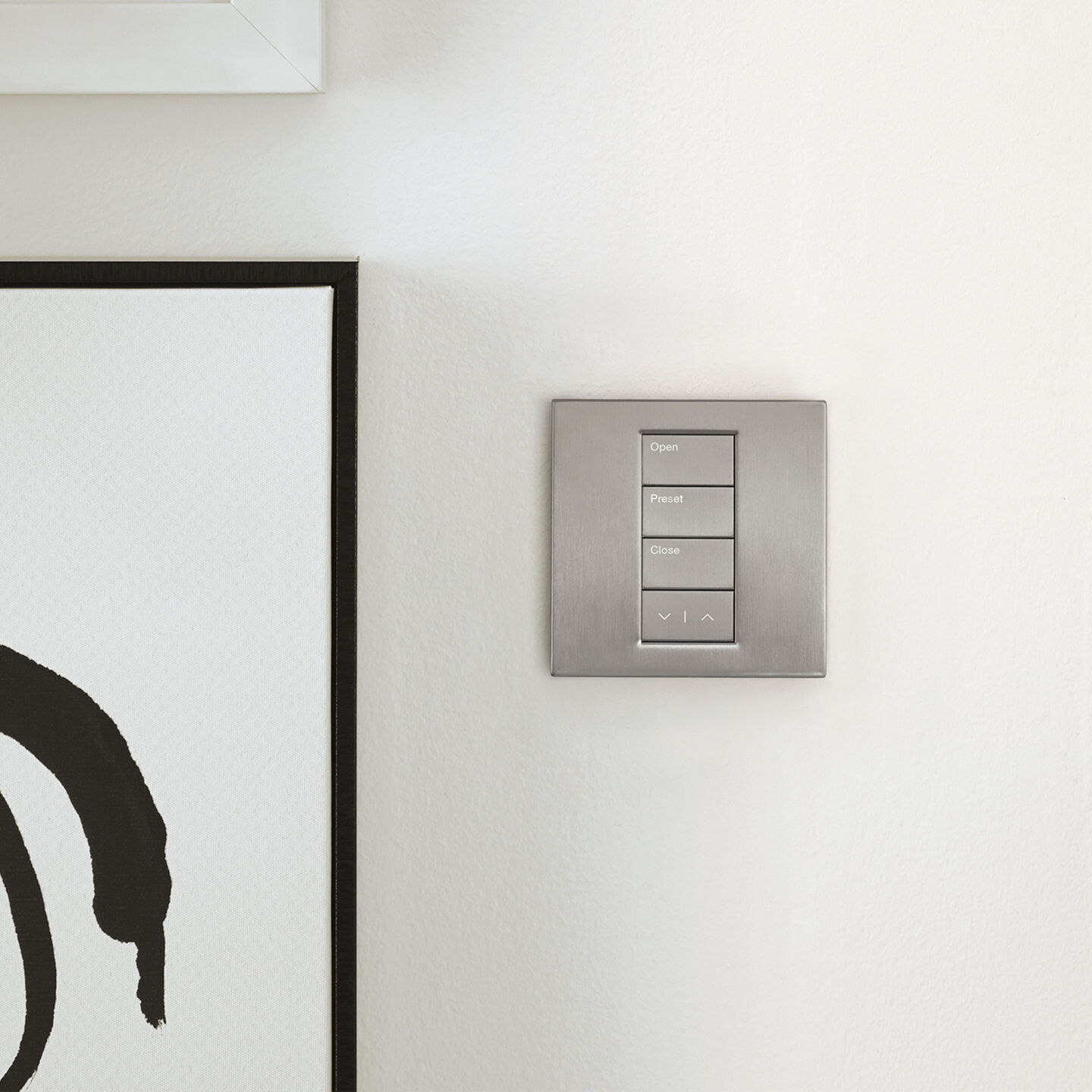
| Wall controls | Architectural keypads and scene control designed for clean wall aesthetics | Wireless controls and switches, with the app playing a larger role in many installations |
| Dimming and scenes | Scene-based dimming across zones with behaviour planned as one coordinated system | Strong colour and ambience control on compatible Hue lamps |
| Scalability across a home | Well suited to whole-home, multi-floor and high-circuit projects | Can expand across rooms, although the experience remains more device-focused as the system grows |
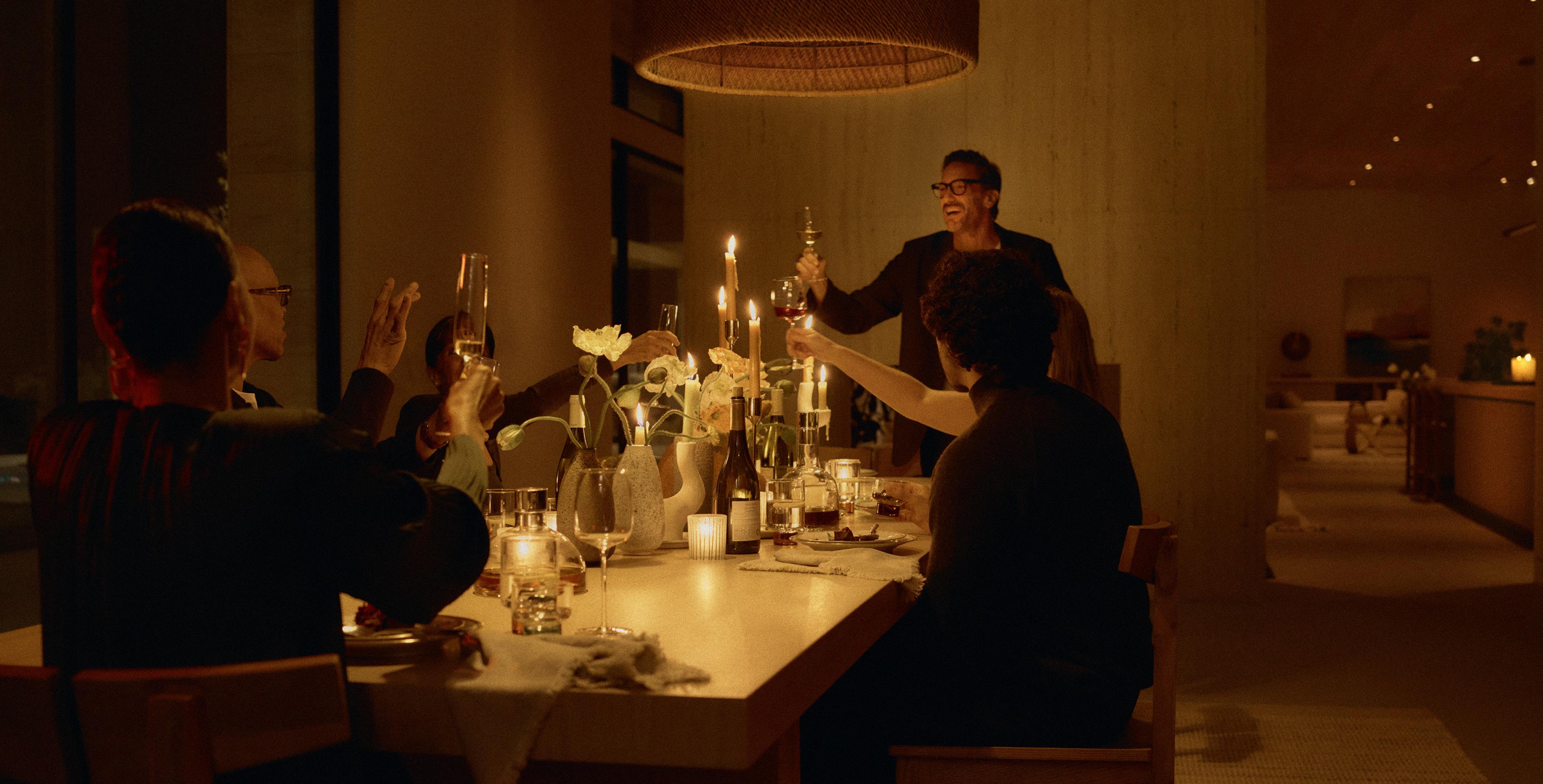
Circuits and fixtures are treated as a controlled lighting architecture, then the user experience is refined through scenes and wall keypads. Instead of thinking “this bulb is smart,” the design becomes “this room has scenes” such as Welcome, Dining, Entertain, Movie and Goodnight.
For HAP projects, planning starts from the floor plan and is coordinated with the electrician and designer so dimming behaviour matches the architectural fixtures and LED drivers. Explore Lutron Lighting Control Singapore.
HAP’s dedicated Lutron content covers HomeWorks planning, Palladiom keypads, shades and renovation coordination. For larger or high-circuit projects, see Lutron HomeWorks QSX Singapore.
Philips Hue Singapore is a consumer smart-lighting ecosystem built around compatible smart lamps, app control and wireless accessories. It suits homeowners who want to introduce connected lighting without redesigning the entire electrical or lighting plan.
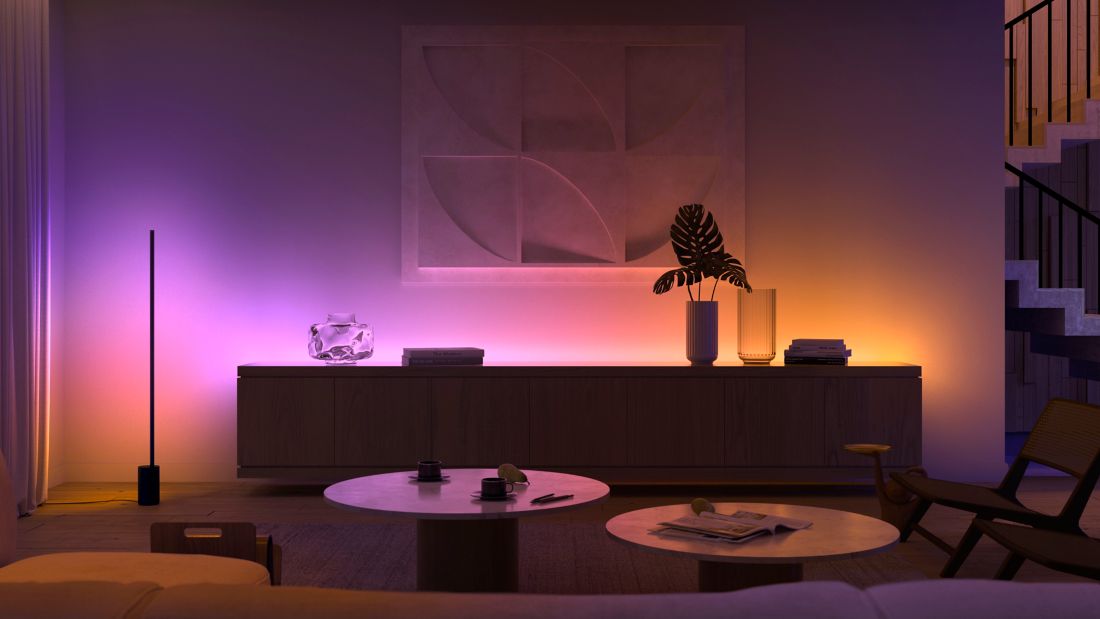
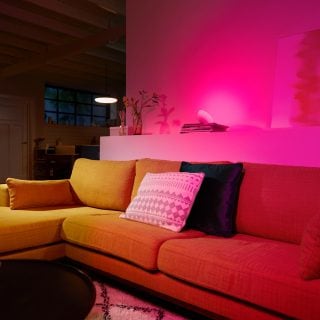
Hue is particularly strong for smart ambience: colour, adjustable white light and flexible scenes in living rooms, entertainment spaces and selected areas. It can also be practical during a renovation when only part of the home is being upgraded.
As the number of rooms and lamps increases, the experience remains more device-centric, so room organisation, accessories and scene management become a larger part of the control strategy.
Bridge and smart-home integration: Some Hue products can be used in smaller setups without a dedicated Bridge, while a Hue Bridge can support a broader connected-lighting setup and additional automation features. Available integrations and functions depend on the products and platform configuration, so the exact setup should be checked when planning a larger system.
This is the strongest decision point in the comparison. Smart bulbs vs lighting control system sounds like a small difference, but it changes how the home behaves.
With Philips Hue, scenes evolve around the lamps and devices you add. With Lutron HomeWorks, scene logic, keypads and dimming behaviour are planned around architectural fixtures and the home’s lighting circuits.
Reliability is better framed as “reliable for what home scale and daily use?” Both approaches can work well when properly configured, but they organise lighting control differently.
Hue is practical when compatible lamps, accessories and room routines are configured properly. For smaller or selected-room installations, the system can remain straightforward and flexible.
HomeWorks is planned and commissioned as a coordinated lighting system. As rooms, circuits, keypads and users increase, that system-level approach can make everyday operation more consistent across the property.
The key difference is therefore not simply whether one technology “works.” It is whether the control architecture remains easy and predictable at the scale of the home you are planning.
Which system gives “better” dimming depends on fixture selection and how the lighting has been designed.
Architectural fixtures, LED-driver coordination and scene planning are treated as one lighting-design problem. This matters when low-level dimming, smooth transitions and consistency across zones are part of the interior experience.
Compatible Hue lamps are particularly strong for colour, colour temperature and flexible ambience—useful for celebrations, gaming or mood changes in a specific room.
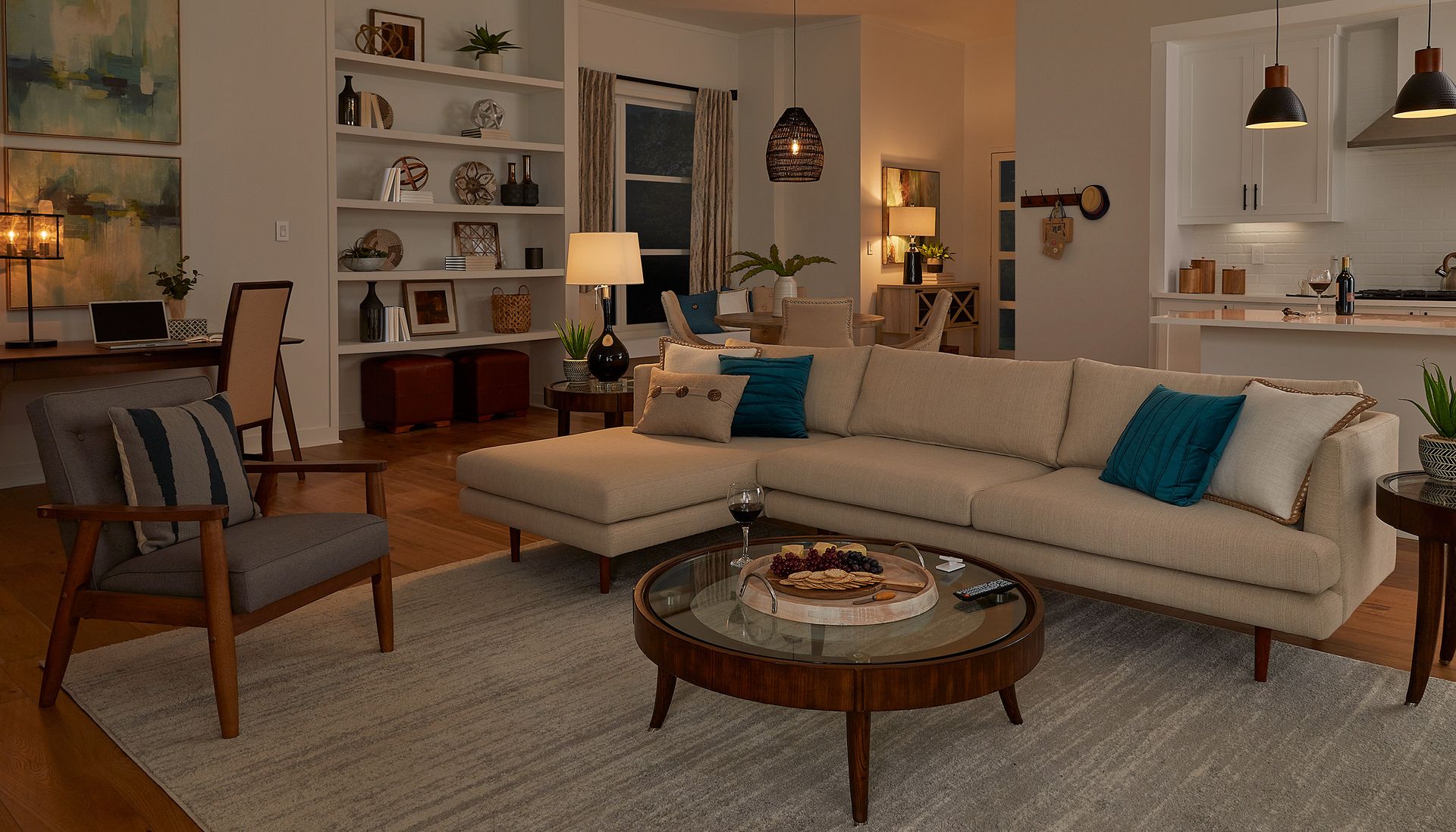
Warm-dim and architectural fixtures: In Singapore homes, warm ambience often drives comfort. HomeWorks can be paired with a wide range of architectural fixtures when the project is planned properly, including layered schemes that depend on consistent dimming and scene transitions.
In premium renovations, wall aesthetics are not a “nice to have.” Homeowners often want clean surfaces, fewer confusing switches and intuitive control. That is where architectural lighting control can feel different from adding individual smart devices around the home.
With a planned Lutron approach, keypads are tied to scenes and positioned around how rooms are actually used, which can reduce visible switch clutter. Philips Hue can also use wireless controls and switches, but the daily experience depends more on the accessories chosen and how the household prefers to control its lighting.
Practical Philips Hue wall-control point: smart lamps generally need to remain powered so they can respond to connected controls and automations. If a conventional wall switch cuts power to a smart lamp, connected control is unavailable until power is restored.
If wall aesthetics and luxury lighting control are priorities, align the control strategy with interior-design decisions early. See best lighting control system Singapore.
Scaling is where the experience of Lutron HomeWorks vs Philips Hue begins to differ more noticeably.
One RoomHue is practical for a living room, bedroom or entertainment space and can expand later.
Several RoomsHue can grow across spaces, while routines and scene management become more important.
Full CondoMore circuits, users and transitions make a consistent control strategy increasingly useful.
Landed HomeHomeWorks becomes more compelling as floors, keypad locations and whole-home scenes increase.
Whole-home scenes and coordinated control can reduce the need to “train the household” and keep lighting behaviour consistent across floors, especially when children, guests, household staff or frequent entertaining are part of daily life.
For smart lighting for renovation Singapore, timing is the first question. If you are still shaping the electrical plan, keypad layout and fixture specifications, Lutron HomeWorks can be coordinated as part of the construction stage. If you are mainly working around existing wiring, Philips Hue is easier to introduce room by room.
Floor Plan: group lights into zones that match how you live.
Electrical: confirm dimming and load compatibility with selected architectural fixtures.
Keypads: plan scene control near entrances and transitions between spaces.
Carpentry: align the technology layer before final wall finishes lock in the layout.
Commissioning: test scenes and dimming behaviour as one system rather than as isolated devices.
For HAP’s broader workflow, visit Smart Home Installation Singapore.
In a landed home, complexity comes from multi-floor layouts, more entrances, longer staircases, outdoor or pathway lighting and more rooms that need consistent arrival and evening scenes.
Lutron HomeWorks tends to fit well when many zones and keypads need to behave consistently. For premium homes, scene logic and architectural dimming can be planned around how the property is actually used.
Can Philips Hue be used in landed homes? Yes. Hue can be excellent for selected entertainment rooms, bedrooms or colour-focused areas. The practical question is whether you want a device-centric strategy across the whole property or a professionally planned control layer.
For larger landed projects, whole-home planning can make the experience feel more cohesive from driveway arrival to bedroom bedtime.
For smart lighting for condo Singapore, the best choice often depends on renovation scope: selected smart-lighting moments versus a fully coordinated control layer.
The systems are different platforms, not two identical products competing only on price.
In principle, homeowners can sometimes combine different lighting ecosystems, but the guidance needs to stay project-specific. The important point is that Lutron HomeWorks and Philips Hue use different control architectures, and compatibility depends on the exact products and automation platform involved.
A home can sometimes be designed so Hue devices coexist with a professionally planned lighting-control system, but the integration approach depends on:
Possible architecture — exact integration depends on the products, automation platform and project configuration.
We do not recommend assuming that any smart lamp can automatically pair with any lighting controller. If you are considering Lutron together with Hue devices, plan the integration strategy from the start rather than treating it as a last-minute addition after wiring is completed.
For an example of how whole-home control can coordinate lighting scenes with other subsystems, explore whole-home automation.
Lighting can either operate primarily as its own smart-device ecosystem or become one layer of a larger home-automation experience.
App-based smart lighting is convenient for controlling compatible lamps, colours, rooms and schedules within the Hue experience.
Whole-home integration treats lighting as part of a broader technology layer that may also include curtains, AV, climate, security and arrival or Goodnight scenes, depending on the project design.
For landed homeowners planning premium automation, lighting scenes are often mapped alongside shade movement and other daily routines. HAP’s commissioning focuses on the end-to-end experience rather than device setup alone.
In Lutron vs Philips Hue Singapore, the price difference becomes easier to understand when you compare what is being delivered. Philips Hue is mainly a device-based smart-lighting purchase. Lutron HomeWorks is usually a professionally planned lighting-control project.
Its price includes the design, coordination, programming and commissioning required to make many lighting circuits, keypads and scenes behave as one system. That project-level work is the main reason the comparison is not simply “Hue products versus Lutron products.”
Choose based on the way you want lighting to work day to day, not simply on the number of features each platform offers.
This is a simple starting point. The final choice should still reflect the renovation scope, lighting design and way the household wants to control each space.
Philips Hue often makes sense for flexible ambience and simple connected control.
Hue can work well for selected smart-lighting areas; Lutron becomes more relevant when keypad scenes and architectural dimming are priorities.
Lutron deserves consideration when lighting circuits, keypads and scenes can be planned before electrical work is finalised.
Architectural lighting control, cleaner wall interfaces and broader home integration become more important.
Lutron typically becomes more valuable as floors, transitions, scenes and lighting circuits increase.
Plan the control architecture early so circuits, keypads, scenes and infrastructure are not treated as afterthoughts.
Already planning your renovation? HAP can review your floor plan, lighting zones and renovation stage to help determine whether room-by-room smart lighting or a whole-home control system is the better fit.
For renovations, HAP treats lighting control as a coordinated workflow across design, electrical work, scene logic, system integration and commissioning.
Floor-plan review: map lighting zones around how the home is used.
Lighting circuit planning: coordinate wiring strategy with the project team.
Keypad placement: design for daily use and clean wall aesthetics.
Scene planning: define Welcome, Dining, Movie and Goodnight moments.
Dimming compatibility: align fixtures, LED drivers and control expectations.
Renovation coordination: plan before walls and carpentry lock the layout.
Curtain / shade integration: coordinate movement where the project needs it.
Smart-home integration: connect lighting into broader home automation where required.
Programming & commissioning: test the end-to-end experience.
Handover: make sure the homeowner understands the intended scenes.
See our project portfolio, including Gramercy Park smart lighting control.
Real HAP Project
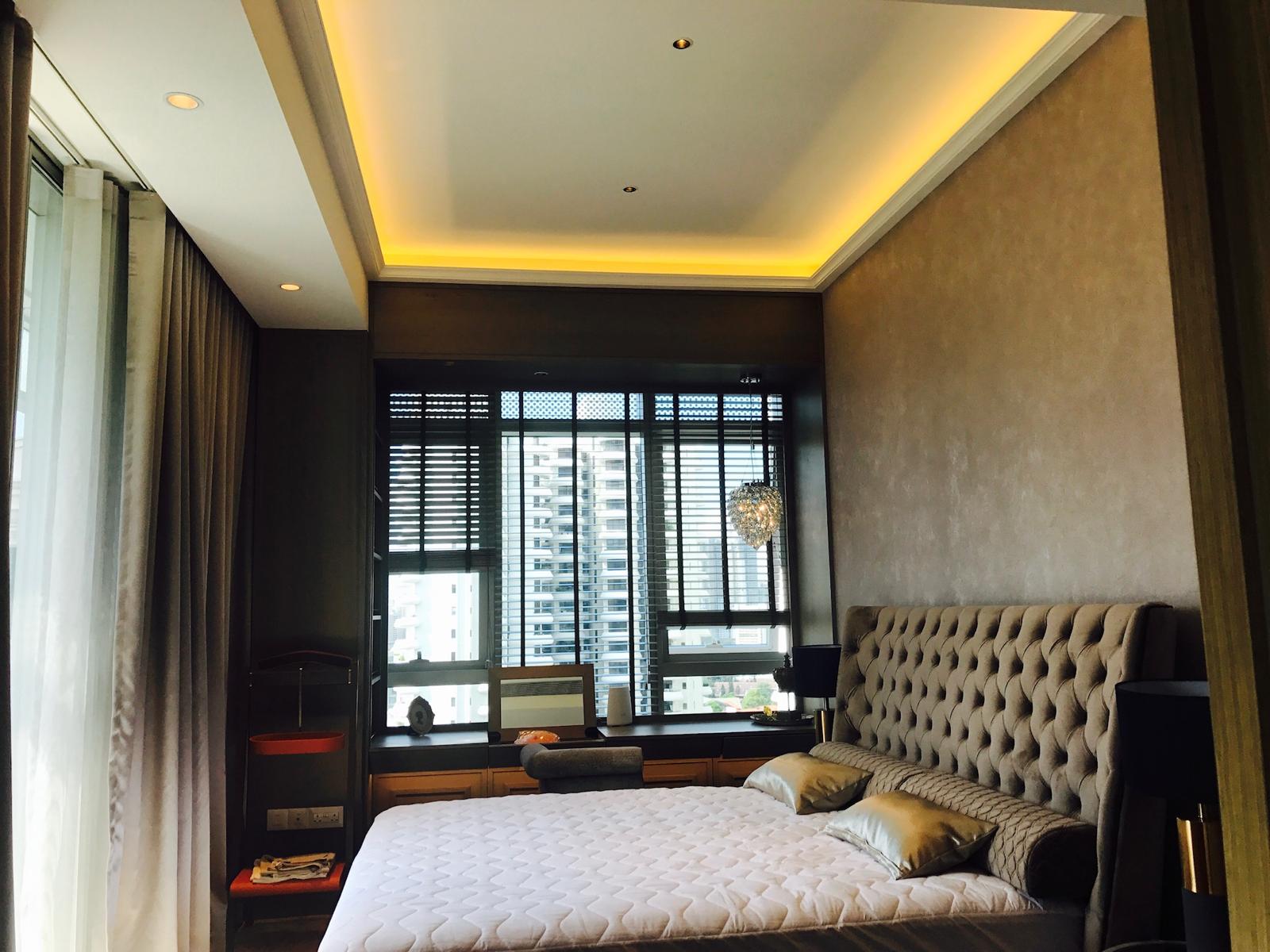
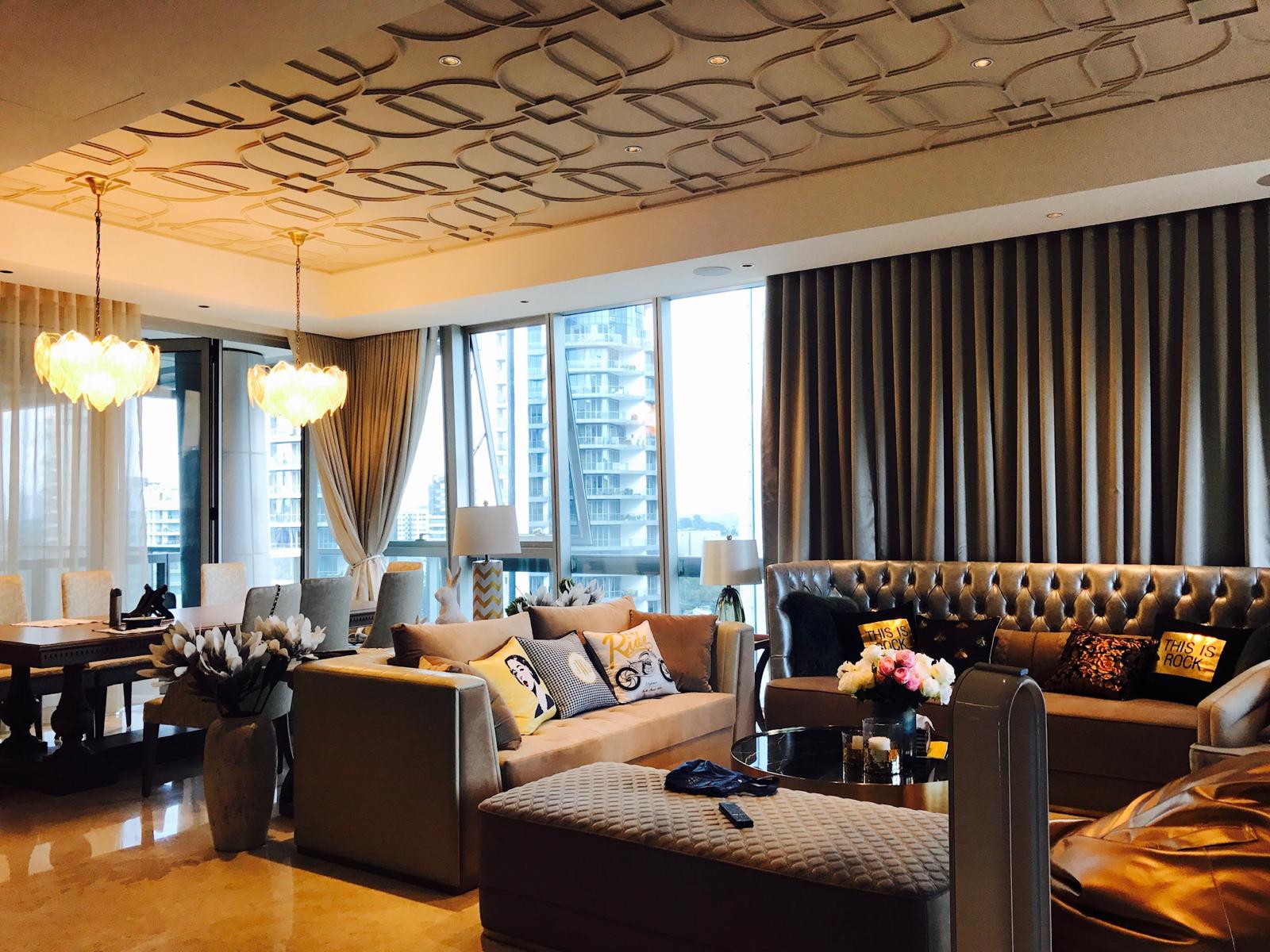
HAP implemented full-home lighting control with advanced dimming and smart scenes across this apartment, with Control4 integration plus keypad and app-based operation.
It is a useful example of why lighting control works best when room ambience, dimming and everyday control are planned as one experience rather than as isolated devices.
View Gramercy Park smart lighting project →Lutron vs Philips Hue Singapore is best understood as a choice between two lighting-control architectures. Philips Hue puts smart control into compatible lamps and wireless accessories, making it practical for flexible ambience, colour lighting and room-by-room retrofits. Lutron HomeWorks is designed for professionally planned whole-home control, where circuits, keypads, scenes and integration are coordinated as part of the home.
Neither system is universally better. Philips Hue often fits smaller scopes and colour-focused rooms; Lutron HomeWorks becomes more compelling for major renovations, landed houses, larger condominiums, architectural dimming and whole-home scenes. The right decision comes from matching the system to the renovation stage, home scale and lighting expectations.
Tap a question to view the answer. Opening a new question closes the previous one.
Not universally. Lutron HomeWorks is usually the stronger fit when you want professionally planned whole-home control, coordinated scenes and architectural keypads. Philips Hue is particularly practical for smart bulbs, colour ambience and selected rooms.
The main difference is architecture. Philips Hue primarily places intelligence in compatible smart lamps and accessories, while Lutron HomeWorks is designed as a professionally planned control infrastructure across lighting circuits, scenes and wall keypads.
Yes. Philips Hue can work well in selected rooms or lifestyle areas of a landed property. For a larger whole-home project with many lighting circuits, floors and keypads, a professionally planned system such as Lutron HomeWorks can provide a more coordinated experience.
It can be worthwhile when a condo renovation prioritises clean keypad-based scene control, architectural dimming and coordinated lighting across several rooms. If you only need smart ambience in a few areas, Philips Hue may be sufficient.
They may be able to coexist depending on the exact products, automation platform and way scenes are triggered. The integration approach should be planned rather than assuming direct compatibility between unrelated components.
For architectural dimming across many fixtures, Lutron can be planned around the selected fixtures, LED drivers and lighting circuits. Philips Hue can deliver strong ambience, colour and colour-temperature control on compatible Hue lamps.
Consider Lutron HomeWorks when you can plan circuits, keypad positions, dimming compatibility and scenes before electrical and carpentry work is finalised. Philips Hue is usually easier when you want a retrofit-friendly approach for selected rooms with minimal electrical changes.
Plan Before Renovation Locks In
Planning Lighting Before Your Renovation?
Share your floor plan and renovation stage with HAP. We can help you determine whether room-by-room smart lighting or a professionally planned whole-home lighting system is the better fit for your home.
Review Your Lighting Plan With HAPHAP Lighting Control Comparison Guide
Philips Hue puts smart control into individual lamps and wireless accessories. Lutron HomeWorks plans lighting circuits, keypads and scenes as part of the home. The right choice depends on your renovation scope, home size and lighting expectations.
Review Your Lighting Plan With HAPDecision Summary
For Lutron vs Philips Hue Singapore, the key decision is whether smart lighting should live mainly in individual lamps or be planned as part of the home’s lighting infrastructure.
Best aligned with major renovation or new-build planning, architectural dimming, scene keypads and larger whole-home projects.
Strong for retrofit-friendly rooms, colour and ambience, app or wireless control, and gradual expansion over time.
Match the system to renovation timing, home scale, lighting expectations and whether control should live in individual lamps or the home infrastructure.
For major renovations, landed properties and homes with many lighting circuits, Lutron HomeWorks usually deserves early consideration. For selected rooms, colour ambience and retrofit-friendly expansion, Philips Hue remains practical and flexible.
See HAP’s whole-home automation approach or compare lighting control systems for Singapore homes.
When homeowners search Lutron vs Philips Hue Singapore, they are usually comparing two different ways of controlling light. Philips Hue treats lighting as intelligent devices that can be added room by room. Lutron HomeWorks treats lighting control as planned home infrastructure, where circuits, keypads and scenes work together by design.
The decision matters most before electrical and carpentry choices are locked in. If a renovation is already being drawn, choosing the control approach early makes it easier to align the final lighting experience with the interior and the way the household will use the home.
HAP experience: HAP plans, integrates and commissions lighting-control systems for Singapore homes, including condominium and landed projects, with coordination across lighting, electrical work and broader home automation where required.
Detailed Comparison
| Factor | Lutron HomeWorks | Philips Hue |
|---|---|---|
| System architecture | Architectural lighting-control infrastructure, scene-based and coordinated with keypads | Smart bulbs and accessories controlled through the Hue ecosystem |
| Installation approach | Usually planned during renovation and coordinated with electrical work and fixture selection | Often retrofit-friendly for selected rooms and easy to expand gradually |
| Smart bulbs vs lighting circuits | Intelligence centres on lighting circuits and the control infrastructure | Intelligence primarily centres on the smart lamps themselves |
| Wall controls | Architectural keypads and scene control designed for clean wall aesthetics | Wireless controls and switches, with the app playing a larger role in many installations |
| Dimming and scenes | Scene-based dimming across zones with behaviour planned as one coordinated system | Strong colour and ambience control on compatible Hue lamps |
| Scalability across a home | Well suited to whole-home, multi-floor and high-circuit projects | Can expand across rooms, although the experience remains more device-focused as the system grows |
Circuits and fixtures are treated as a controlled lighting architecture, then the user experience is refined through scenes and wall keypads. Instead of thinking “this bulb is smart,” the design becomes “this room has scenes” such as Welcome, Dining, Entertain, Movie and Goodnight.
For HAP projects, planning starts from the floor plan and is coordinated with the electrician and designer so dimming behaviour matches the architectural fixtures and LED drivers. Explore Lutron Lighting Control Singapore.
HAP’s dedicated Lutron content covers HomeWorks planning, Palladiom keypads, shades and renovation coordination. For larger or high-circuit projects, see Lutron HomeWorks QSX Singapore.
Philips Hue Singapore is a consumer smart-lighting ecosystem built around compatible smart lamps, app control and wireless accessories. It suits homeowners who want to introduce connected lighting without redesigning the entire electrical or lighting plan.
Hue is particularly strong for smart ambience: colour, adjustable white light and flexible scenes in living rooms, entertainment spaces and selected areas. It can also be practical during a renovation when only part of the home is being upgraded.
As the number of rooms and lamps increases, the experience remains more device-centric, so room organisation, accessories and scene management become a larger part of the control strategy.
Bridge and smart-home integration: Some Hue products can be used in smaller setups without a dedicated Bridge, while a Hue Bridge can support a broader connected-lighting setup and additional automation features. Available integrations and functions depend on the products and platform configuration, so the exact setup should be checked when planning a larger system.
This is the strongest decision point in the comparison. Smart bulbs vs lighting control system sounds like a small difference, but it changes how the home behaves.
With Philips Hue, scenes evolve around the lamps and devices you add. With Lutron HomeWorks, scene logic, keypads and dimming behaviour are planned around architectural fixtures and the home’s lighting circuits.
Reliability is better framed as “reliable for what home scale and daily use?” Both approaches can work well when properly configured, but they organise lighting control differently.
Hue is practical when compatible lamps, accessories and room routines are configured properly. For smaller or selected-room installations, the system can remain straightforward and flexible.
HomeWorks is planned and commissioned as a coordinated lighting system. As rooms, circuits, keypads and users increase, that system-level approach can make everyday operation more consistent across the property.
The key difference is therefore not simply whether one technology “works.” It is whether the control architecture remains easy and predictable at the scale of the home you are planning.
Which system gives “better” dimming depends on fixture selection and how the lighting has been designed.
Architectural fixtures, LED-driver coordination and scene planning are treated as one lighting-design problem. This matters when low-level dimming, smooth transitions and consistency across zones are part of the interior experience.
Compatible Hue lamps are particularly strong for colour, colour temperature and flexible ambience—useful for celebrations, gaming or mood changes in a specific room.
Warm-dim and architectural fixtures: In Singapore homes, warm ambience often drives comfort. HomeWorks can be paired with a wide range of architectural fixtures when the project is planned properly, including layered schemes that depend on consistent dimming and scene transitions.
In premium renovations, wall aesthetics are not a “nice to have.” Homeowners often want clean surfaces, fewer confusing switches and intuitive control. That is where architectural lighting control can feel different from adding individual smart devices around the home.
With a planned Lutron approach, keypads are tied to scenes and positioned around how rooms are actually used, which can reduce visible switch clutter. Philips Hue can also use wireless controls and switches, but the daily experience depends more on the accessories chosen and how the household prefers to control its lighting.
Practical Philips Hue wall-control point: smart lamps generally need to remain powered so they can respond to connected controls and automations. If a conventional wall switch cuts power to a smart lamp, connected control is unavailable until power is restored.
If wall aesthetics and luxury lighting control are priorities, align the control strategy with interior-design decisions early. See best lighting control system Singapore.
Scaling is where the experience of Lutron HomeWorks vs Philips Hue begins to differ more noticeably.
One RoomHue is practical for a living room, bedroom or entertainment space and can expand later.
Several RoomsHue can grow across spaces, while routines and scene management become more important.
Full CondoMore circuits, users and transitions make a consistent control strategy increasingly useful.
Landed HomeHomeWorks becomes more compelling as floors, keypad locations and whole-home scenes increase.
Whole-home scenes and coordinated control can reduce the need to “train the household” and keep lighting behaviour consistent across floors, especially when children, guests, household staff or frequent entertaining are part of daily life.
For smart lighting for renovation Singapore, timing is the first question. If you are still shaping the electrical plan, keypad layout and fixture specifications, Lutron HomeWorks can be coordinated as part of the construction stage. If you are mainly working around existing wiring, Philips Hue is easier to introduce room by room.
Floor Plan: group lights into zones that match how you live.
Electrical: confirm dimming and load compatibility with selected architectural fixtures.
Keypads: plan scene control near entrances and transitions between spaces.
Carpentry: align the technology layer before final wall finishes lock in the layout.
Commissioning: test scenes and dimming behaviour as one system rather than as isolated devices.
For HAP’s broader workflow, visit Smart Home Installation Singapore.
In a landed home, complexity comes from multi-floor layouts, more entrances, longer staircases, outdoor or pathway lighting and more rooms that need consistent arrival and evening scenes.
Lutron HomeWorks tends to fit well when many zones and keypads need to behave consistently. For premium homes, scene logic and architectural dimming can be planned around how the property is actually used.
Can Philips Hue be used in landed homes? Yes. Hue can be excellent for selected entertainment rooms, bedrooms or colour-focused areas. The practical question is whether you want a device-centric strategy across the whole property or a professionally planned control layer.
For larger landed projects, whole-home planning can make the experience feel more cohesive from driveway arrival to bedroom bedtime.
For smart lighting for condo Singapore, the best choice often depends on renovation scope: selected smart-lighting moments versus a fully coordinated control layer.
The systems are different platforms, not two identical products competing only on price.
In principle, homeowners can sometimes combine different lighting ecosystems, but the guidance needs to stay project-specific. The important point is that Lutron HomeWorks and Philips Hue use different control architectures, and compatibility depends on the exact products and automation platform involved.
A home can sometimes be designed so Hue devices coexist with a professionally planned lighting-control system, but the integration approach depends on:
Possible architecture — exact integration depends on the products, automation platform and project configuration.
We do not recommend assuming that any smart lamp can automatically pair with any lighting controller. If you are considering Lutron together with Hue devices, plan the integration strategy from the start rather than treating it as a last-minute addition after wiring is completed.
For an example of how whole-home control can coordinate lighting scenes with other subsystems, explore whole-home automation.
Lighting can either operate primarily as its own smart-device ecosystem or become one layer of a larger home-automation experience.
App-based smart lighting is convenient for controlling compatible lamps, colours, rooms and schedules within the Hue experience.
Whole-home integration treats lighting as part of a broader technology layer that may also include curtains, AV, climate, security and arrival or Goodnight scenes, depending on the project design.
For landed homeowners planning premium automation, lighting scenes are often mapped alongside shade movement and other daily routines. HAP’s commissioning focuses on the end-to-end experience rather than device setup alone.
In Lutron vs Philips Hue Singapore, the price difference becomes easier to understand when you compare what is being delivered. Philips Hue is mainly a device-based smart-lighting purchase. Lutron HomeWorks is usually a professionally planned lighting-control project.
Its price includes the design, coordination, programming and commissioning required to make many lighting circuits, keypads and scenes behave as one system. That project-level work is the main reason the comparison is not simply “Hue products versus Lutron products.”
Choose based on the way you want lighting to work day to day, not simply on the number of features each platform offers.
This is a simple starting point. The final choice should still reflect the renovation scope, lighting design and way the household wants to control each space.
Philips Hue often makes sense for flexible ambience and simple connected control.
Hue can work well for selected smart-lighting areas; Lutron becomes more relevant when keypad scenes and architectural dimming are priorities.
Lutron deserves consideration when lighting circuits, keypads and scenes can be planned before electrical work is finalised.
Architectural lighting control, cleaner wall interfaces and broader home integration become more important.
Lutron typically becomes more valuable as floors, transitions, scenes and lighting circuits increase.
Plan the control architecture early so circuits, keypads, scenes and infrastructure are not treated as afterthoughts.
Already planning your renovation? HAP can review your floor plan, lighting zones and renovation stage to help determine whether room-by-room smart lighting or a whole-home control system is the better fit.
For renovations, HAP treats lighting control as a coordinated workflow across design, electrical work, scene logic, system integration and commissioning.
Floor-plan review: map lighting zones around how the home is used.
Lighting circuit planning: coordinate wiring strategy with the project team.
Keypad placement: design for daily use and clean wall aesthetics.
Scene planning: define Welcome, Dining, Movie and Goodnight moments.
Dimming compatibility: align fixtures, LED drivers and control expectations.
Renovation coordination: plan before walls and carpentry lock the layout.
Curtain / shade integration: coordinate movement where the project needs it.
Smart-home integration: connect lighting into broader home automation where required.
Programming & commissioning: test the end-to-end experience.
Handover: make sure the homeowner understands the intended scenes.
See our project portfolio, including Gramercy Park smart lighting control.
Real HAP Project
HAP implemented full-home lighting control with advanced dimming and smart scenes across this apartment, with Control4 integration plus keypad and app-based operation.
It is a useful example of why lighting control works best when room ambience, dimming and everyday control are planned as one experience rather than as isolated devices.
View Gramercy Park smart lighting project →Lutron vs Philips Hue Singapore is best understood as a choice between two lighting-control architectures. Philips Hue puts smart control into compatible lamps and wireless accessories, making it practical for flexible ambience, colour lighting and room-by-room retrofits. Lutron HomeWorks is designed for professionally planned whole-home control, where circuits, keypads, scenes and integration are coordinated as part of the home.
Neither system is universally better. Philips Hue often fits smaller scopes and colour-focused rooms; Lutron HomeWorks becomes more compelling for major renovations, landed houses, larger condominiums, architectural dimming and whole-home scenes. The right decision comes from matching the system to the renovation stage, home scale and lighting expectations.
Tap a question to view the answer. Opening a new question closes the previous one.
Not universally. Lutron HomeWorks is usually the stronger fit when you want professionally planned whole-home control, coordinated scenes and architectural keypads. Philips Hue is particularly practical for smart bulbs, colour ambience and selected rooms.
The main difference is architecture. Philips Hue primarily places intelligence in compatible smart lamps and accessories, while Lutron HomeWorks is designed as a professionally planned control infrastructure across lighting circuits, scenes and wall keypads.
Yes. Philips Hue can work well in selected rooms or lifestyle areas of a landed property. For a larger whole-home project with many lighting circuits, floors and keypads, a professionally planned system such as Lutron HomeWorks can provide a more coordinated experience.
It can be worthwhile when a condo renovation prioritises clean keypad-based scene control, architectural dimming and coordinated lighting across several rooms. If you only need smart ambience in a few areas, Philips Hue may be sufficient.
They may be able to coexist depending on the exact products, automation platform and way scenes are triggered. The integration approach should be planned rather than assuming direct compatibility between unrelated components.
For architectural dimming across many fixtures, Lutron can be planned around the selected fixtures, LED drivers and lighting circuits. Philips Hue can deliver strong ambience, colour and colour-temperature control on compatible Hue lamps.
Consider Lutron HomeWorks when you can plan circuits, keypad positions, dimming compatibility and scenes before electrical and carpentry work is finalised. Philips Hue is usually easier when you want a retrofit-friendly approach for selected rooms with minimal electrical changes.
Plan Before Renovation Locks In
Planning Lighting Before Your Renovation?
Share your floor plan and renovation stage with HAP. We can help you determine whether room-by-room smart lighting or a professionally planned whole-home lighting system is the better fit for your home.
Review Your Lighting Plan With HAP